
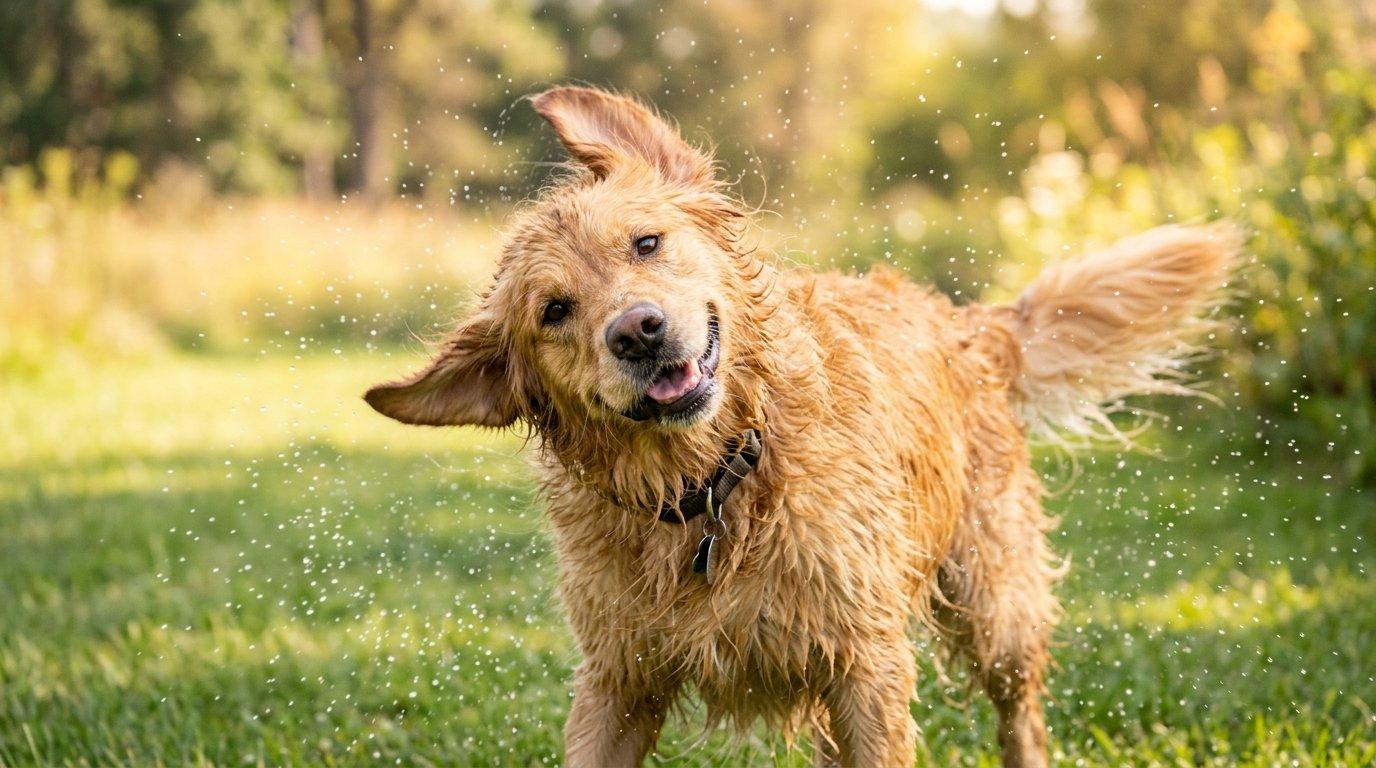
You lean in to give your pup a cozy snuggle, but the second you pull away, they vibrate like a jet engine and fur flies everywhere. It’s a little insulting, right? You’re left standing there wondering if you smell like old gym socks or if you just totally ruined their vibe.
- 1. 1.Is It You, or Is It the Fur? The Mystery of Dog Shaking After Petting
- 2. 2.The “Biological Reset”: How dog shaking after petting Helps Dogs Regulate
- 3. 3. When to Worry: Distinguishing a “Reset Shake” from a Medical Issue
- 4. 4.How to Respect the Shake: Training Tips for a Better Bond
- 5. 5.FAQ: Your Most Common “Shaky” Questions Answered
- 6. Key Terminology & References
Honestly, when Biscuit first did this, I felt like a rejected middle schooler. But here’s the thing: dog shaking after petting is rarely a critique of your hygiene or your friendship. It’s actually a fascinating “biological reset” button that helps them process everything from excitement to physical sensation.
We’re going to cover exactly why your touch triggers this “furry tornado” and how to tell a happy reset from a stress signal. You’ll find out how to read your dog’s subtle consent cues so you can bond without the awkwardness. By the end of this, you’ll know exactly how to pet your pup in a way that keeps them calm, happy, and (hopefully) a little less shaky.
1.Is It You, or Is It the Fur? The Mystery of Dog Shaking After Petting
Have you ever given your pup a solid ear scratch, only to have them immediately rattle their entire body like a wet umbrella? It feels a little like a snub, doesn’t it? But honestly, dog shaking after petting is one of the most misunderstood behaviors in the canine world.
Think of your dog’s skin like a highly sensitive touch-screen tablet. When we pet them, we are sending a massive amount of “data” to their brain. For many pups, that feeling lingers even after your hand is gone. This leads to dog shaking after petting as a way to “clear the screen” and get back to a neutral state.
What Exactly Is a “Shake-Off”?
Basically, a shake-off is a physical reflex where a dog moves their skin and fur rapidly from head to tail. Think of it like that shiver you get when you walk into a cold room, or how you might shake your hands out after holding a heavy grocery bag for too long. It’s a natural physical release.
For your pet, dog shaking after petting is an involuntary response to sensory input. Their hair follicles have tiny nerves that get “pushed” during a cuddle session. Shaking simply snaps those hairs back into their original, comfortable place. It’s a maintenance move, not a “keep away” move!
Why Your Touch Triggers the “Tornado”
The primary reason for dog shaking after petting is a phenomenon called sensory overstimulation—basically when the brain gets a “busy signal” from too much physical contact. Imagine someone constantly tapping your shoulder while you’re trying to read; eventually, you’d want to shrug your shoulders to shake off that ticklish feeling. This is especially common in Austin during allergy season! I remember a Golden Retriever named Max who used to visit the clinic. His owner was convinced Max hated him because of the constant dog shaking after petting.
《Dog Behavior Meaning: The Ultimate Guide to Decoding Canine Language》
The “Personal Space” Reset
Another layer to dog shaking after petting is social etiquette. In the dog world, a shake is often a way to “reset the vibe” after a close encounter. Think of it like smoothing out your clothes or fixing your hair after someone gives you a really tight, slightly awkward hug. When we enter their “personal bubble” for a snuggle, it’s a high-intensity social moment. Once the touch ends, dog shaking after petting tells the world (and you), “Okay, that was great, but now I’m back to being just me.” It helps them transition from “social mode” back to “chill mode.”
How to Make Petting More “Shake-Free”
If you want to reduce the frequency of dog shaking after petting, it’s all about how and where you touch. Here is how you can help your pup stay calm and collected:
Try the “Chest Rub” over the “Head Pat”: Most dogs find head-patting a bit intense for their vision and ears. Rubbing the chest or the base of the neck is much less overwhelming.
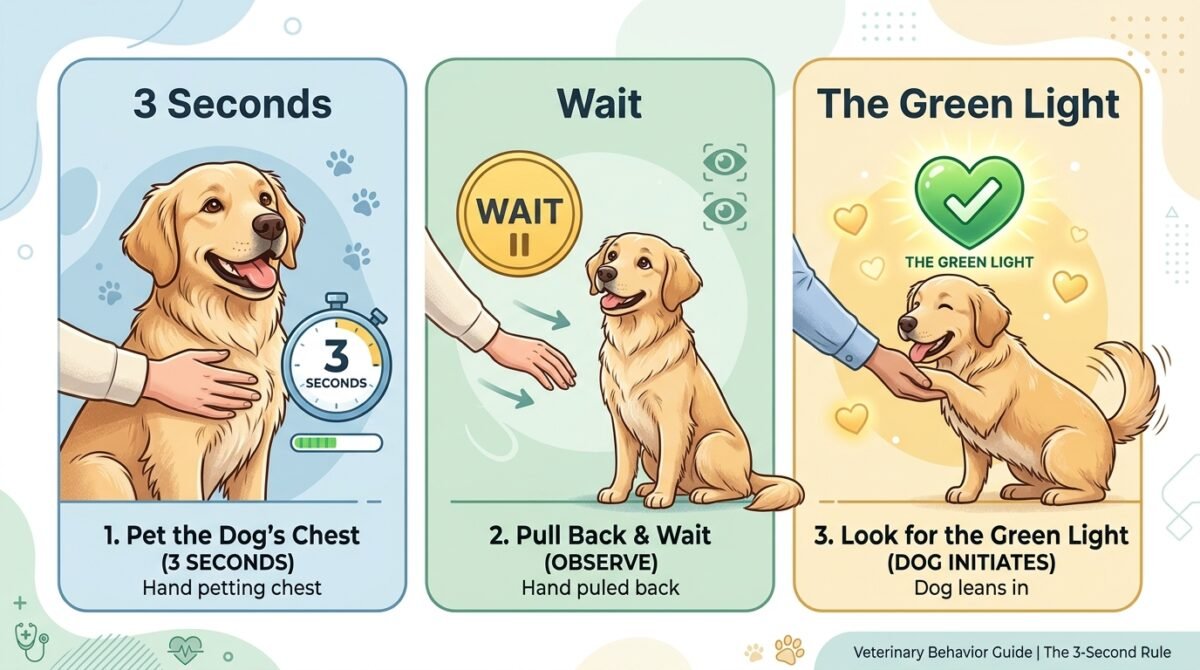
The 3-Second Rule: Pet your dog for just three seconds, then stop and move your hand away. If they lean back into you, they want more! If they do the dog shaking after petting move, they’ve had enough for now.
Watch for the “Shake-Head” Start: If the shake starts at the ears, check for dirt or wax. Sometimes dog shaking after petting is actually a sign that your touch moved some itchy debris inside the ear canal.
《Dog Skin Allergies: The Ultimate Guide to Treatment, Home Remedies & Diet》
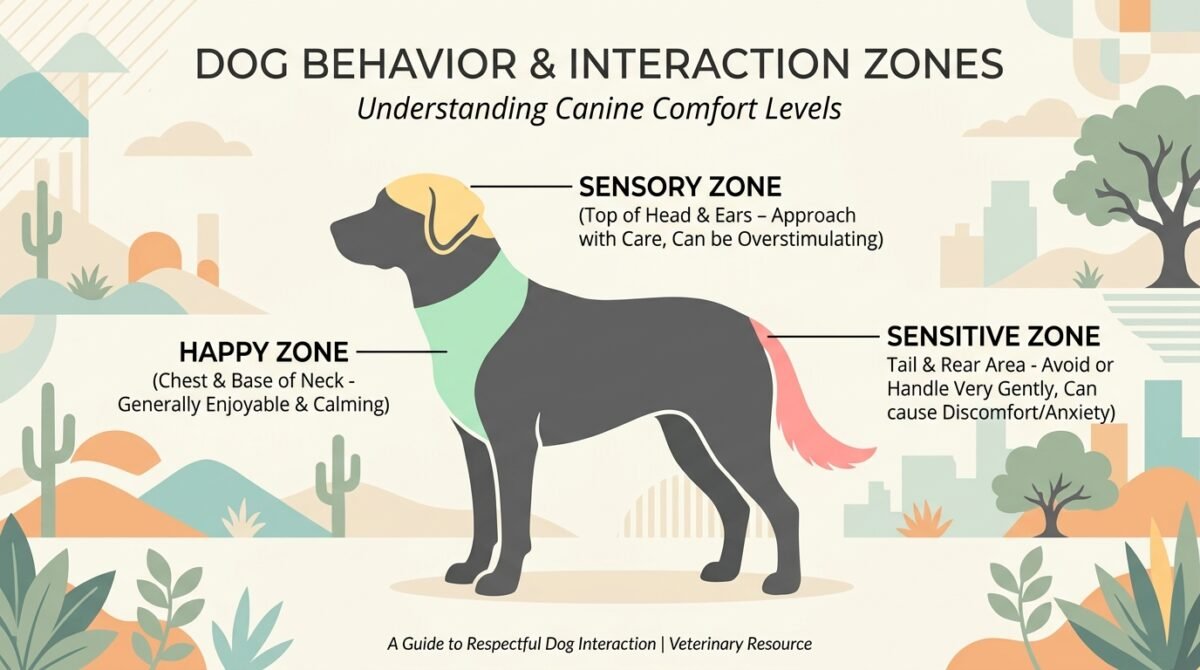
Real talk: Biscuit still shakes off about half the time I pet him. I’ve learned to take it as a compliment—it means I gave him such a good rubdown that he actually needs a physical “reset” to handle all that joy! Next time you see the dog shaking after petting, just give them a little space and know you did a good job.
2.The “Biological Reset”: How dog shaking after petting Helps Dogs Regulate
If you’ve ever seen a dog shake after a tense encounter with another pup at the park, or right after a vet exam, you’ve seen the “reset” in action. When it comes to dog shaking after petting, it’s often about managing the internal “buzz” that your affection creates.
Think of your dog’s nervous system like a rechargeable battery. Petting is like plugging them into a high-speed charger. It’s great, it feels good, but it also builds up a lot of energy. For you and your pet, dog shaking after petting is simply them unplugging and letting that extra “voltage” dissipate so they don’t overheat emotionally.
Adrenaline and the “Happy Stress”
Basically, even “good” touch can cause a tiny spike in adrenaline—that “get-up-and-go” hormone. Think of it like that jittery feeling you get after drinking a double espresso; you’re not upset, but your body has more energy than it knows what to do with. In a dog shaking after petting, they are literally vibrating that adrenaline out of their muscle tissue. When I worked at the clinic, we’d see dogs do this the second they stepped off the scale. It’s a physical way to say, “The intensity is over, and I’m going back to baseline.” Data shows that a full-body shake can lower a dog’s heart rate by several beats per minute almost instantly. This means for you and your pet, the shake is a tool they use to stay calm and emotionally balanced.
Releasing the “Cuddle Tension”
Have you noticed that some dogs stand very still while you pet them? This is often a sign of muscle tonicity—basically, they are holding their muscles tight because they are concentrating on the interaction.
Think of it like holding a yoga pose. It feels good to stretch, but after a minute, your muscles start to crave a release. Dog shaking after petting is that release. It’s the “Aaaaaah” moment after a long hold.
Honestly, I’ve seen owners worry that their dog was “shaking in fear,” but usually, if the tail was wagging before the shake, it’s just a physical relief. I remember a Beagle named Copper who would stand perfectly still for belly rubs, but the second you stopped, he’d shake so hard his ears would flap like a helicopter. He wasn’t scared; he was just stretching his “internal springs” back into place!
《Dog Behavior Meaning: The Ultimate Guide to Decoding Canine Language》
Why Your Touch is a “Reset Button”
For many dogs, dog shaking after petting is their way of moving from one “mood” to another. If they were sleeping and you woke them up for a snuggle, the shake helps them wake their brain up. If they were excited and you calmed them down with slow strokes, the shake helps them lock in that relaxation.
It’s basically like clicking “Save” on a document before you close the laptop. It finalizes the experience.
The Transition: It helps them move from “Interaction Mode” back to “Independent Mode.”
The Cleanup: It removes any stray hairs or skin dander that got stirred up (their version of a quick lint-roll).
The Comfort: It restores their coat’s natural insulation. A “patted down” coat doesn’t regulate temperature as well as a fluffed-up one!
《Dog Skin Allergies: The Ultimate Guide to Treatment, Home Remedies & Diet》
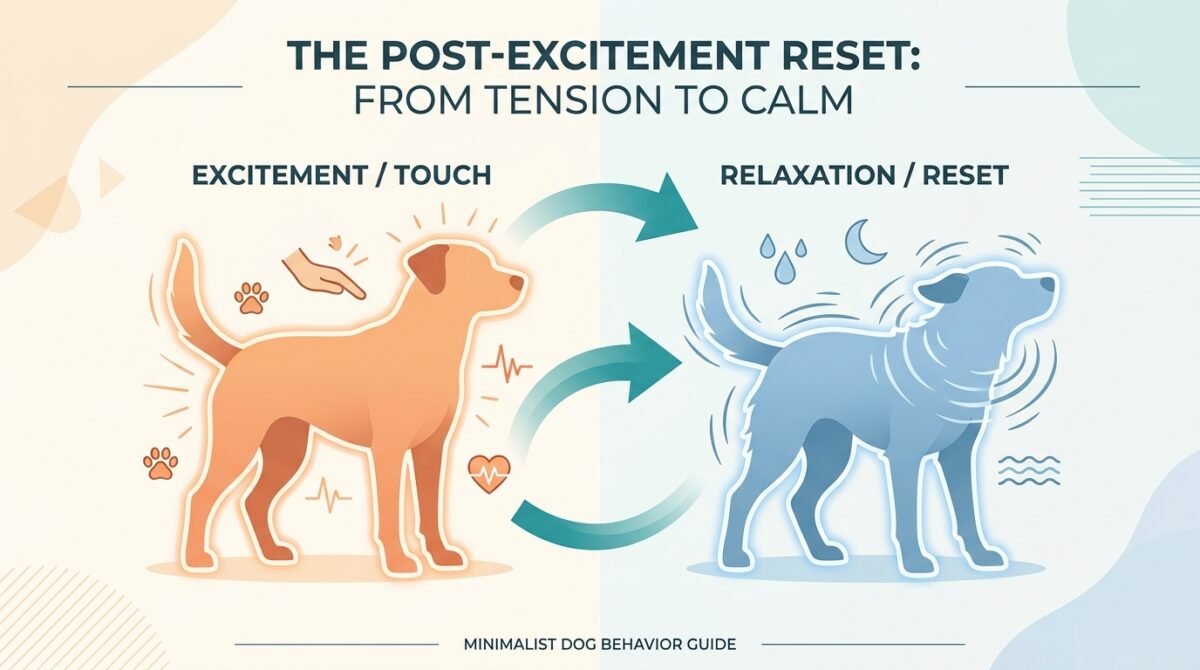
Real talk: If your dog is dog shaking after petting, give them a second of “quiet time” right after. It’s like letting a computer reboot—once the shake is done, they’ll be ready for their next adventure (or their next nap) with a clean slate.
3. When to Worry: Distinguishing a “Reset Shake” from a Medical Issue for dog shaking after petting
Most of the time, dog shaking after petting is a one-and-done deal—they shake, they sigh, they move on. But what if they shake, then scratch, then shake again? Or what if the shake only seems to happen when you touch a specific spot?
Think of your dog’s shake like a smoke detector in your house. Usually, it just chirps once to tell you the battery is fine (that’s the normal reset). But if it starts wailing and won’t stop, there’s a fire that needs your attention. For you and your pet, being able to tell the difference prevents a minor itch from turning into a major vet bill.
Ear Infections: The “Head-Only” Shake
Basically, an ear infection (otitis externa) is when bacteria or yeast grows wild in the warm, dark canal of the ear. Think of it like having a tiny, itchy pebble stuck deep in your shoe that you just can’t shake out no matter how hard you stomp. When you pet a dog with an ear issue, your hand moves the ear flap and shifts that “pebble” around. This causes an immediate dog shaking after petting, but it’s often focused just on the head. I remember a sweet Beagle named Buster who came into our clinic. His owner thought he was just being “dramatic” after ear rubs, but Buster actually had a deep yeast infection. This means for you and your pet, if the shake is followed by a “head tilt” or a funky smell from the ear, it’s time to call the vet.
Skin Sensitivity and Allergies
Sometimes dog shaking after petting is caused by dermatitis—which is essentially a “pissed-off” skin reaction. Imagine wearing a wool sweater that’s two sizes too small and being covered in mosquito bites at the same time. That’s how an allergic dog feels.
When we pet them, we’re actually agitating those sensitive nerve endings. If you notice the dog shaking after petting is followed by frantic licking or chewing at their paws, your “love” might be accidentally triggering an itch-attack.
The “Red Flag” Test: Look at the skin where you just petted. Is it bright pink? Are there little bumps?
The Frequency Check: Does the dog shaking after petting happen every single time, even with the lightest touch?
The “Hot Spot” Search: Is there a specific patch of fur that feels warmer than the rest or looks “thinner”?
《Dog Skin Allergies: The Ultimate Guide to Treatment, Home Remedies & Diet》
Anxiety vs. Physical Relief
There’s also a big difference between a “happy reset” and an “anxiety shake.” Basically, an anxiety shake is a sign of emotional distress, not physical release. It’s like the difference between shaking your hands out after a workout versus trembling before a big public speaking gig. If the dog shaking after petting comes with “whale eye” (seeing the whites of their eyes), a tucked tail, or lip licking, they aren’t resetting—they’re telling you they’re uncomfortable with the touch. Honestly, I see this a lot when kids try to hug dogs who aren’t used to it.
《Dog Behavior Meaning: The Ultimate Guide to Decoding Canine Language》
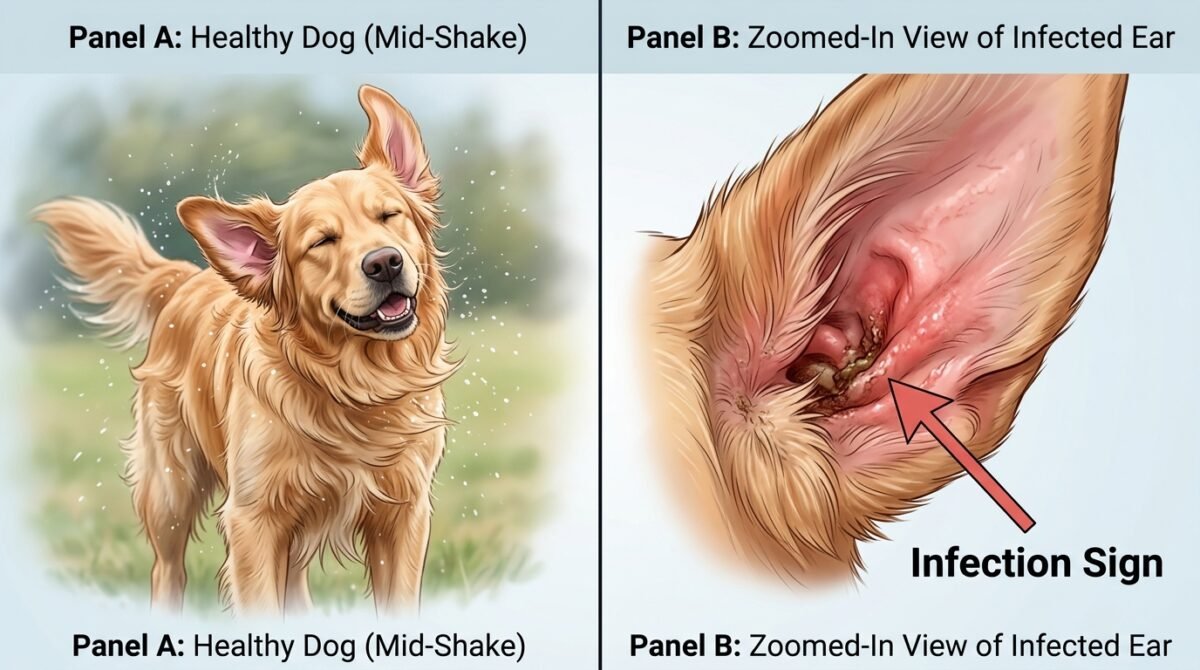
Real talk: I always tell my Austin neighbors that if you’re in doubt, record a quick 10-second video of the dog shaking after petting. When you show that to your vet, it’s worth a thousand words. It helps them see exactly what “vibe” the shake has!
4.How to Respect the Shake: Training Tips for a Better Bond for dog shaking after
If you want to see less dog shaking after petting, the secret isn’t in stopping the shake—it’s in changing how you start the interaction. When a dog does a massive shake-off, they are often telling us, “That was a lot for me!” By adjusting our approach, we can make our love feel more like a gentle breeze and less like a Category 5 hurricane.
Think of petting your dog like entering a quiet library. You wouldn’t walk in screaming and throwing books, right? You’d enter softly and wait to see if you’re welcome. For you and your pet, dog shaking after petting becomes less frequent when you prioritize their comfort over your urge to snuggle.
The “Consent Test”: Does Your Dog Actually Want More?
Basically, a consent test is a simple way to ask your dog for permission before (and during) a petting session. Think of it like checking your phone’s signal strength before you try to make a call. If the signal is weak, you wait.
In my clinic days, I saw so many well-meaning owners force pets on dogs who were clearly “off the clock.” To do a consent test and minimize dog shaking after petting, follow these steps:
Pet for 3 seconds: Use slow, gentle strokes on the chest or shoulder.
Stop and pull your hand back: Just a few inches away.
Wait for the “Ask”: If they lean in, nudge your hand, or lick you, they want more. If they look away or do the dog shaking after petting move, they’re finished.
By giving them a choice, you reduce the sensory buildup that leads to the shake. It’s a game-changer for your relationship!
The “Safe Zones” Map
Not all fur is created equal. Dog shaking after petting happens more often when we touch high-sensitivity areas. Think of it like your own tickle spots—everyone has them, and they aren’t always fun to have poked! * The Green Zones (Low Shake Risk): The chest, the base of the neck, and the sides of the shoulders. These areas are sturdy and less likely to cause a “sensory overload” dog shaking after petting.
The Yellow Zones (Handle with Care): The top of the head and the back. Touching here often makes dogs squint or flatten their ears, which triggers that “reset” shake.
The Red Zones (High Shake Risk): Paws, tail, and the very tips of the ears. These are loaded with nerve endings.
Honestly, if Biscuit is already a bit tired after a hike at the Greenbelt, I stick strictly to the chest. He loves it, and I get way less dog shaking after petting because he stays relaxed.
《Dog Behavior Meaning: The Ultimate Guide to Decoding Canine Language》
Creating a “Zen” Petting Routine
If your pup is prone to dog shaking after petting, try to make the environment as calm as possible. It’s basically like setting the mood for a relaxing bath. * Keep it Low: Don’t lean over your dog (it’s intimidating!). Squat down to their level so you aren’t “looming” like a giant.
Soft Hands: Use flat palms rather than scratching with your fingernails. The scratching sensation is what often moves the hair follicles enough to cause a dog shaking after petting reflex.
End on a High Note: If they do shake, don’t immediately reach back in to pet them again. Give them a “Good boy/girl!” and let them enjoy their reset.
【图片建议:dog_petting_consent_steps.jpg】 【Alt 文案:The 3-Step Dog Petting Consent Test: 1. Pet for 3 seconds, 2. Stop and wait, 3. Observe the dog’s reaction to avoid overstimulation.】 【AI 提示词:Clean, modern infographic. Three panels showing a person’s hand and a happy dog. Panel 1: Hand petting the chest (‘3 Seconds’). Panel 2: Hand pulled back (‘Wait’). Panel 3: Dog leaning into the hand with a heart icon (‘The Green Light’). Pastel colors, professional veterinary style.】
Real talk: Learning to “listen” to the dog shaking after petting is one of the kindest things you can do. It shows your dog that you speak their language. When they realize you respect their “reset button,” they’ll likely seek you out for snuggles even more often!
《Dog Skin Allergies: The Ultimate Guide to Treatment, Home Remedies & Diet》
5.FAQ: Your Most Common “Shaky” Questions Answered
When you’re staring at your dog and they’re vibrating like a leaf after a simple head pat, your brain starts racing. “Did I hurt them? Do they hate me? Is there a bug on them?”
Think of these FAQs like a quick ‘sanity check’ for your peace of mind. It’s basically like texting your vet-tech bestie (that’s me!) at 10:00 PM to ask, ‘Hey, is this weird?’ For you and your pet, these answers are the shortcut to understanding the “why” behind the wiggle.
Why does my dog shake only when I pet their head?
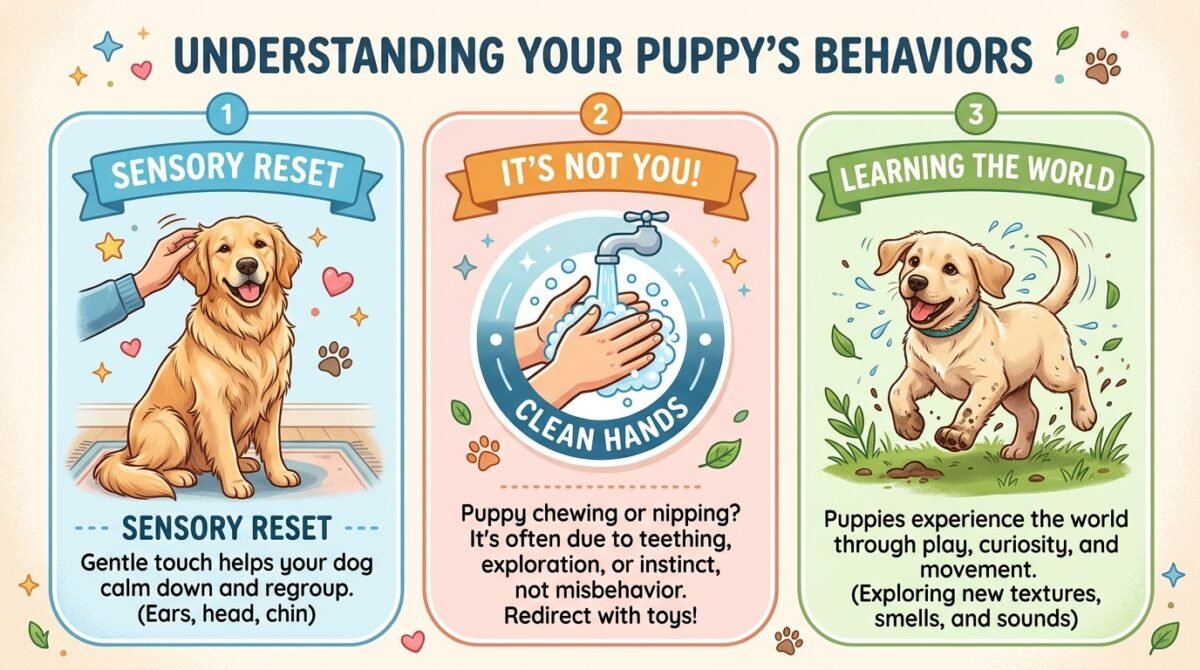
Honestly, this is the most common one! Think of the top of a dog’s head like a sensitive antenna. When you pat them there, you’re often pushing their ears down and messing with their peripheral vision. It’s a bit like someone constantly adjusting your glasses while you’re trying to talk. They do the dog shaking after petting move because they need to “re-center” their ears and clear their line of sight. It’s not a headache; it’s just a sensory recalibration!
Does shaking off mean my hands are dirty or oily?
I get this a lot from my neat-freak readers in Austin! Real talk: Unless you just finished a rack of BBQ ribs and didn’t wash up, it’s probably not your skin oils. Dog shaking after petting is about the movement of the fur, not the residue on it. It’s like someone ruffling your hair—you’d want to shake your head to get it back in place even if their hands were perfectly clean. Your dog is just fixing their “hairdo,” not judging your hygiene!
Is it normal for puppies to shake more than adult dogs?
Yes, absolutely! Think of a puppy’s nervous system like a brand-new computer that’s still downloading its operating system. They get overstimulated way faster than an old pro like Biscuit. For a puppy, dog shaking after petting happens because every touch is a brand-new, high-intensity experience. As they get older and their “circuitry” matures, they usually learn to handle more pets before needing a reset.
【图片建议:dog_shaking_faq_summary.jpg】 【Alt 文案:Quick FAQ infographic addressing dog head-shaking, hand oils, and puppy behavior.】 【AI 提示词:Friendly, colorful infographic with three distinct sections. Section 1: A dog with its ears being gently touched (labeled ‘Sensory Reset’). Section 2: A ‘Clean Hands’ icon (labeled ‘It’s Not You!’). Section 3: A bouncy puppy shaking (labeled ‘Learning the World’). Pastel tones, approachable font, professional style.】
Can a “shake-off” ever be a sign of a stroke?
《Dog Symptom Checker: The Ultimate Emergency Health Checklist》
Key Terminology & References
To provide our readers with accurate scientific context, the following professional terms are linked directly to their respective entries in the Wikipedia Encyclopedia.
—————————————-
Canine Behavior
Veterinary Terms
Common Dog Owner Concerns
For more information, read our guide on The Meaning of Pawing: Why Your Dog Is Putting Their Paw ….
Conclusion
Taking proactive steps to address your dog’s health and behavior concerns is the best way to ensure they live a happy, comfortable life. By staying informed and working closely with your veterinarian when needed, you can provide the care your furry companion deserves. Remember that early intervention often leads to better outcomes and can prevent minor issues from developing into more serious conditions.