
Recognizing the early onset of dog illness symptoms is a critical skill for any pet owner, particularly when dealing with canine emesis—a complex physiological response that signals anything from minor gastrointestinal irritation to severe systemic pathology. Establishing a standardized protocol for Dog Nausea Treatment is paramount for maintaining hemodynamic stability and preventing dangerous secondary complications, such as aspiration pneumonia or significant electrolyte imbalance.
This diagnostic overview evaluates the primary etiological factors—ranging from acute dietary indiscretion and mucosal inflammation to metabolic dysfunction—while providing a rigorous framework for identifying specific clinical presentations in your pet. By adhering to these evidence-based management strategies, owners and practitioners can accurately monitor for Critical Red Flags and facilitate a faster triage process for distressed animals.
The following sections offer a comprehensive analysis of the physiological markers and pharmacological interventions required to stabilize the canine gastrointestinal tract and ensure a safe recovery trajectory for your dog.
1. Diagnostic Overview: Why Your Dog Pukes After Eating for dog illness symptoms
When a dog pukes after eating, it is rarely a random event. In the clinical world of veterinary medicine, we look at the timing, the texture, and the “how” of the episode to determine the underlying physiological trigger. Is your pup simply a victim of their own speed, or are we looking at serious symptoms that dog is sick with something more systemic? To get to the bottom of the bowl, we have to look at the three most common drivers: mechanical regurgitation, dietary mistakes, and environmental triggers.
Regurgitation vs. Vomiting: The Scarfing and Barfing Phenomenon
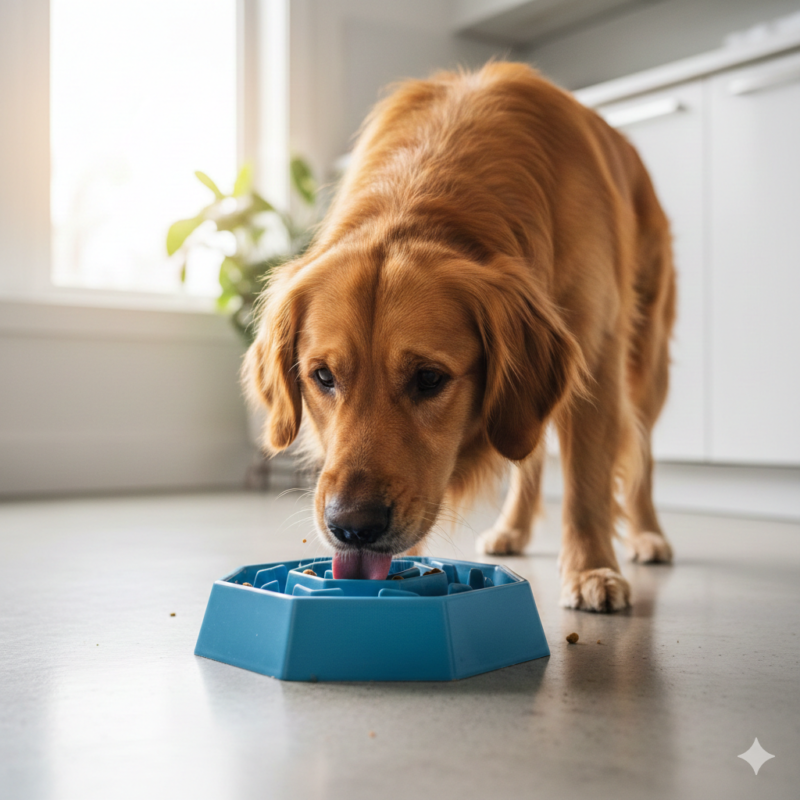
The most frequent reason a dog pukes after eating—especially if it happens within minutes of finishing their meal—is a mechanical event known as “Scarfing and Barfing.” This isn’t actually vomiting in the clinical sense; it is regurgitation. When a dog decides their dinner is a prize in a high-stakes speed-eating competition, they swallow excessive amounts of air along with unchewed kibble. This rapid expansion of the esophagus triggers a passive return of the food before it even reaches the stomach.
If the pile on the floor looks exactly like the kibble that was in the bowl—tube-shaped and barely moistened—you are likely dealing with a “Scarfing and Barfing” situation. While it seems alarming, it’s often a behavioral issue rather than a medical emergency. However, if this becomes a chronic habit, it can lead to esophageal irritation.
To help you distinguish between a simple bad habit and a neurological issue, observing their body language is key; our guide on [Dog Behavior Meaning: The Ultimate Guide to Decoding Canine Language ] can help you decode the physical cues your dog displays before and after an episode. To manage this at home, consider using a slow-feeder bowl or spreading the kibble across a flat cookie sheet to force them to slow down.
Garbage Gut and Dietary Indiscretion
If the event happens 30 minutes to an hour after the meal, we are likely moving into the territory of dog being sick after eating due to what we call “Garbage Gut.” This is a classic case of dietary indiscretion. Dogs are natural scavengers, and their curiosity often leads them to “Hidden Dangers” in the pantry or trash can. When a dog ingests something they shouldn’t—ranging from high-fat table scraps to actual refuse—the stomach lining becomes acutely inflamed.
This inflammation triggers nausea in dog patients, leading to active vomiting. Unlike the passive regurgitation of a fast eater, true vomiting involves forceful abdominal heaving. A dog with a bad case of “Garbage Gut” might look like a total Dishrag for a few hours—lethargic, moping, and clearly in discomfort. While most cases resolve with a short fast, “Garbage Gut” can occasionally escalate into pancreatitis or a gastrointestinal blockage. If you suspect your pup snagged something they shouldn’t have from the “Hidden Dangers” of your kitchen, keeping a close eye on their overall vitality is paramount.
Germs and Dangers in the Outdoors
Beyond the kitchen, the yard and local park host a variety of “Germs and Dangers in the Outdoors” that can cause a dog being sick after eating. Stagnant water, contaminated soil, or even the neighbors’ cat’s feces can introduce parasites or bacteria into your dog’s system. These microscopic “Germs and Dangers in the Outdoors” irritate the digestive tract, leading to persistent nausea in dog populations.
If the vomiting is accompanied by a sudden onset of diarrhea or a fever, the diagnostic suspicion shifts from a simple upset stomach to a potential infection. Because these symptoms often overlap with other illnesses, utilizing our [Dog Symptom Checker: The Ultimate Emergency Health Checklist] can help you decide if the situation requires a simple bland diet or an immediate trip to the vet. If you notice a 50 lb dog becoming weak or acting like a Dishrag within a few hours of an outdoor excursion, do not wait—systemic infections can move quickly.
Motility Disorders and Delayed Emesis
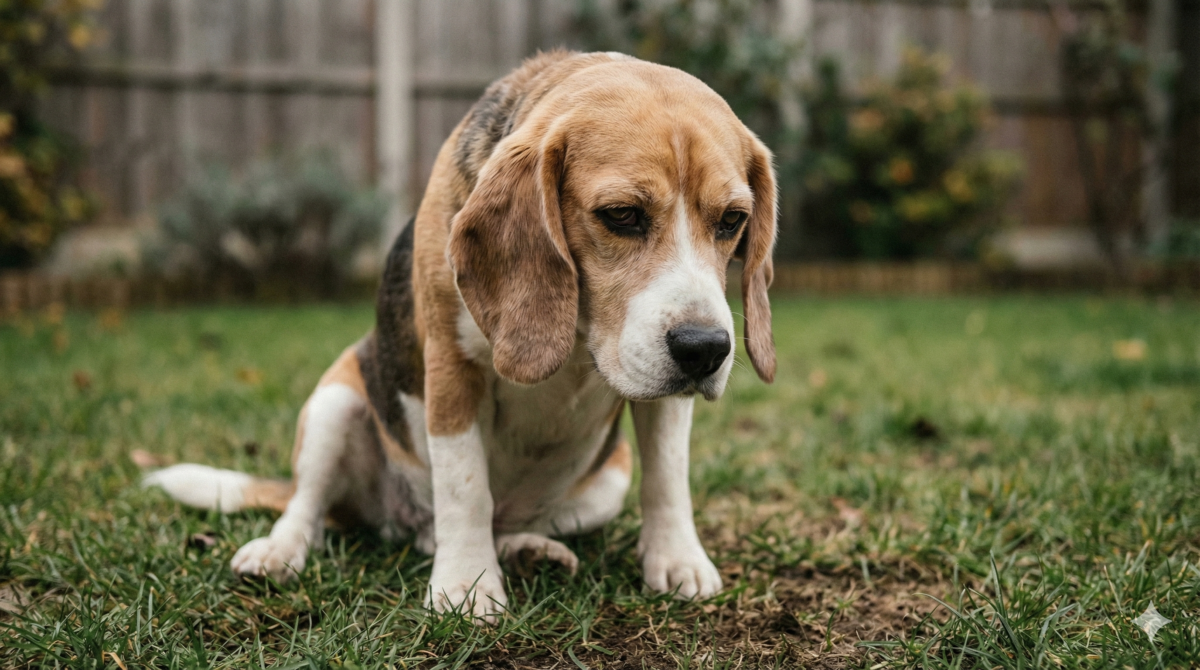
Finally, we must consider the timing of the event. If your dog pukes after eating several hours later—and the food is still mostly undigested—you are looking at a motility issue. This means the stomach is not emptying into the small intestine at a normal rate. This can be caused by chronic inflammation, metabolic diseases, or even “Hidden Dangers” like a partial obstruction.
When the stomach fails to move food forward, the acidity increases, causing significant discomfort and nausea in dog subjects. This delayed emesis is often one of the more subtle symptoms that dog is sick with a chronic condition rather than an acute one. Chronic motility issues often require a professional diagnostic workup, including X-rays or ultrasound, to ensure there aren’t any “Hidden Dangers” lurking in the digestive tract.
Monitoring for Accompanying Symptoms like a distended abdomen or a persistent lack of appetite is crucial during this phase. If the vomiting is severe and you are worried about the loss of fluids, referencing the protocols in [Dog Diarrhea Treatment: 7 Proven Ways to Stop It Fast & Best Medicines] can help you manage the total gastrointestinal health of your pup while waiting for a professional evaluation.
2. Identifying Critical Red Flags: Symptoms That Dog Is Sick for dog illness symptoms
Identifying whether a pet is experiencing a transient stomach upset or a full-blown medical crisis is one of the most stressful parts of being a dog owner. Because our companions can’t tell us where it hurts, we have to become experts at reading the subtle symptoms that dog is sick before the situation escalates. In the clinical world, we don’t just look at the act of vomiting itself; we look for Accompanying Symptoms that tell a story of what’s happening deep inside the gastrointestinal tract or the vital organs. Recognizing these Critical Red Flags is the difference between a “wait and see” approach and a life-saving trip to the ER.
Recognizing Subtle Cues: How Do I Know if My Dog Is Sick?
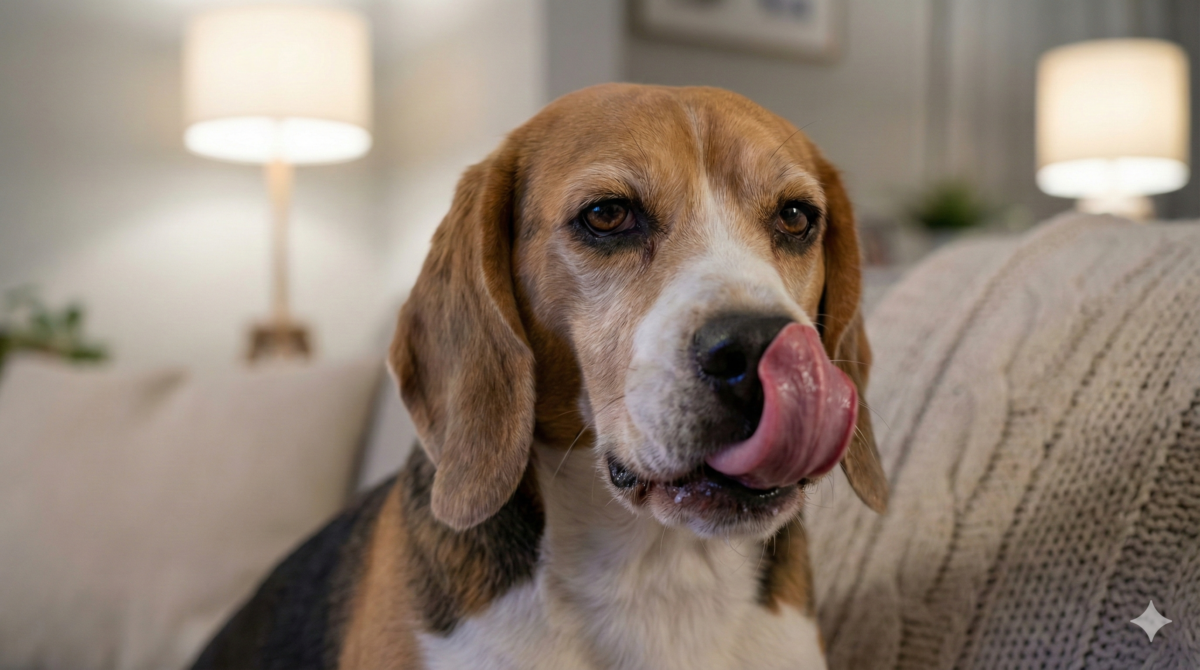
Often, the first sign of nausea in dog patients isn’t actually vomiting—it’s a series of behavioral shifts that occur long before the first mess on the carpet. You might notice your pup is suddenly restless, pacing back and forth, or excessively licking their lips and “air swallowing.” Many dogs will start franticly licking the floor, the walls, or even your legs. This is a physiological attempt to soothe a burning sensation in the esophagus or to cope with a rising tide of stomach acid.
Another subtle clinical marker is hypersalivation. If your normally dry-mouthed Labrador is suddenly dripping ropes of drool, their body is signaling significant upper GI distress. During this phase, many owners ask, “[how do i know if my dog is sick]” or just having a bad day? The answer often lies in their engagement. If they refuse their favorite high-value treat—something they usually move mountains for—that is a primary indicator of systemic malaise.
Understanding these early cues is vital; by the time they are acting like a limp Dishrag, the illness has already taken a firm hold on their system. To get a better grasp on these non-verbal distress signals, you can cross-reference their physical stance with the detailed descriptions in our guide on [Dog Behavior Meaning: The Ultimate Guide to Decoding Canine Language ].
The Color Spectrum: Interpreting What Your Dog Pukes Up
When the vomiting actually occurs, the “color” of the emesis provides a diagnostic roadmap. Many owners panic when they see their dog pukes up yellow foam, but this is often a specific sign of Bilious Vomiting Syndrome. This occurs when the stomach is empty for too long, and bile—the digestive fluid produced by the liver—refluxes into the stomach, causing irritation. While common, it is still an “Accompanying Symptom” that shouldn’t be ignored if it happens daily.
However, other colors are more indicative of Critical Red Flags. White, frothy foam can be a sign of simple “Scarfing and Barfing,” but if it is persistent and accompanied by unproductive retching, it could signal bloat (GDV). Red or “coffee-ground” vomit is a major alarm bell, indicating either fresh or partially digested blood.
This could be caused by “Household Poisons” or “Hidden Dangers” like a sharp bone fragment that has perforated the stomach lining. If your dog is throwing up blood, even in small amounts, it’s imperative to check their lower GI health as well; [Dog Pooping Blood: Symptoms, Causes, and Emergency Care Guide] can help you determine if the hemorrhage is localized or part of a systemic “Garbage Gut” infection.
The “Dishrag” State: Assessing Systemic Weakness
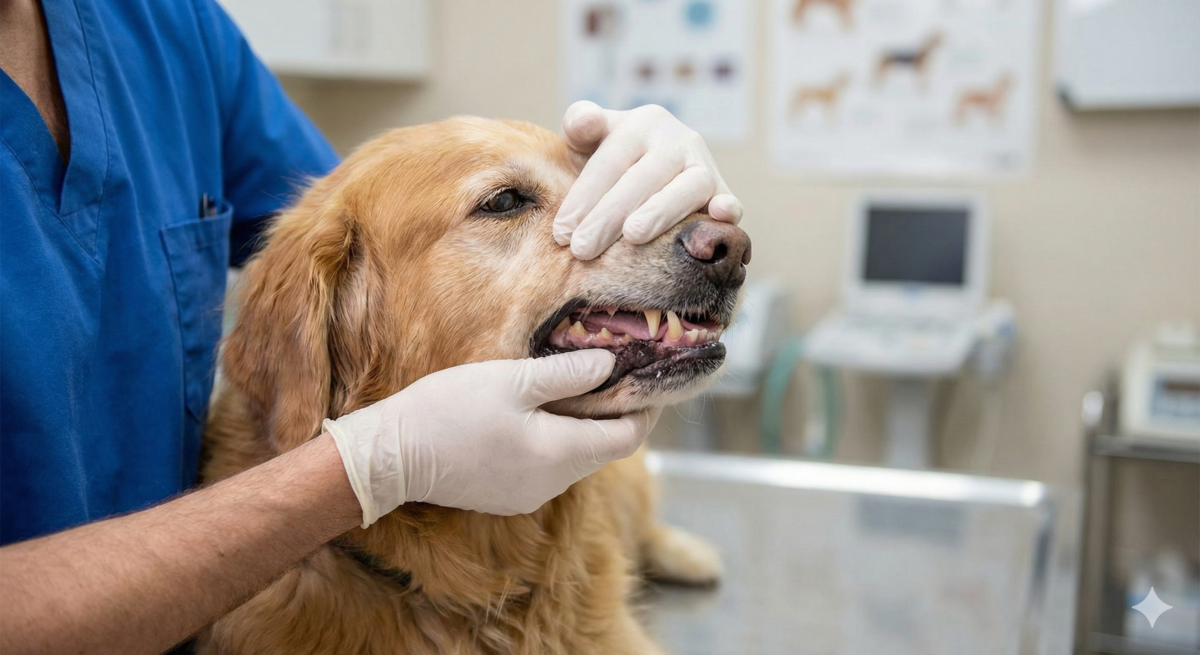
One of the most concerning symptoms that dog is sick is the loss of vitality, often described by owners as the dog being a “Dishrag.” In clinical terms, this is lethargy or depression. If your 60 lb dog can barely lift their head, or if they are unresponsive to their name, they are likely experiencing a severe metabolic shift, such as dehydration or electrolyte imbalance.
To assess this at home, you should check their gums. Healthy gums should be “bubblegum pink” and moist to the touch. If they are pale, white, or feel tacky like glue, your dog is in a critical state. Another quick check is the “skin tent” test—gently pinch the skin between their shoulder blades. In a healthy dog, it snaps back instantly. If it stays peaked or moves slowly, the dehydration has reached a level that home-based dog nausea treatment cannot fix. If you are seeing these signs alongside persistent vomiting, using our [Dog Symptom Checker: The Ultimate Emergency Health Checklist] is the fastest way to categorize the urgency of your situation before heading to the vet.
Triage: When Nausea Becomes a Medical Emergency
Ultimately, we have to look for “Combined Symptoms” to perform an effective triage. A single episode of vomiting from “Garbage Gut” isn’t usually an emergency. But when you have a dog being sick after eating combined with a fever—anything over 103.5°F—or a distended, painful abdomen, the situation has escalated.
“Hidden Dangers” like “Household Poisons” (think chocolate, grapes, or xylitol) or “Germs and Dangers in the Outdoors” (like stagnant water containing blue-green algae) often cause rapid, violent illness. If the vomiting is projectile, or if the dog is constantly trying to vomit but nothing comes out, these are the ultimate Critical Red Flags. Do not wait to see if they “sleep it off.” At this stage, your dog needs professional diagnostic imaging and IV fluids to stabilize their internal environment. Understanding these thresholds is the cornerstone of responsible pet ownership and the most effective way to manage the dog illness symptoms that could otherwise turn into a tragedy.
3. Clinical Management: Professional Dog Anti Nausea Medication and Care for dog illness symptoms
Once you have identified that your pup is dealing with more than just a passing case of “Scarfing and Barfing,” the focus must shift to stabilization and recovery. Providing an effective dog nausea treatment is about more than just stopping the mess on the carpet; it’s about resetting the gastrointestinal environment and preventing the downward spiral that leads to a dog becoming a total Dishrag. In clinical practice, we follow a tiered approach that starts with resting the gut and moves into pharmacological support when the symptoms persist.
The Clinical Reset: The 12-Hour Fasting Protocol
For most adult dogs, the first line of defense against an acute bout of “Garbage Gut” is a period of gut rest. In the veterinary world, we typically recommend a 12-hour fast from all food. This allows the inflamed gastric mucosa to settle without the added stress of digestion. During this time, however, hydration remains paramount. If your 50 lb dog is losing fluids through vomiting, you must ensure they stay hydrated without triggering more emesis.
We recommend offering small amounts of water or ice chips every hour. If your dog is acting like a Dishrag and refuses to drink, do not force water down their throat, as this can lead to aspiration. Instead, monitor their Accompanying Symptoms closely. If you’re unsure if your pet’s lethargy is within the normal range for a stomach bug, our [Dog Symptom Checker: The Ultimate Emergency Health Checklist] provides a systematic way to differentiate between a mild upset and a medical emergency.
Pharmacological Support: Professional Dog Anti Nausea Medication
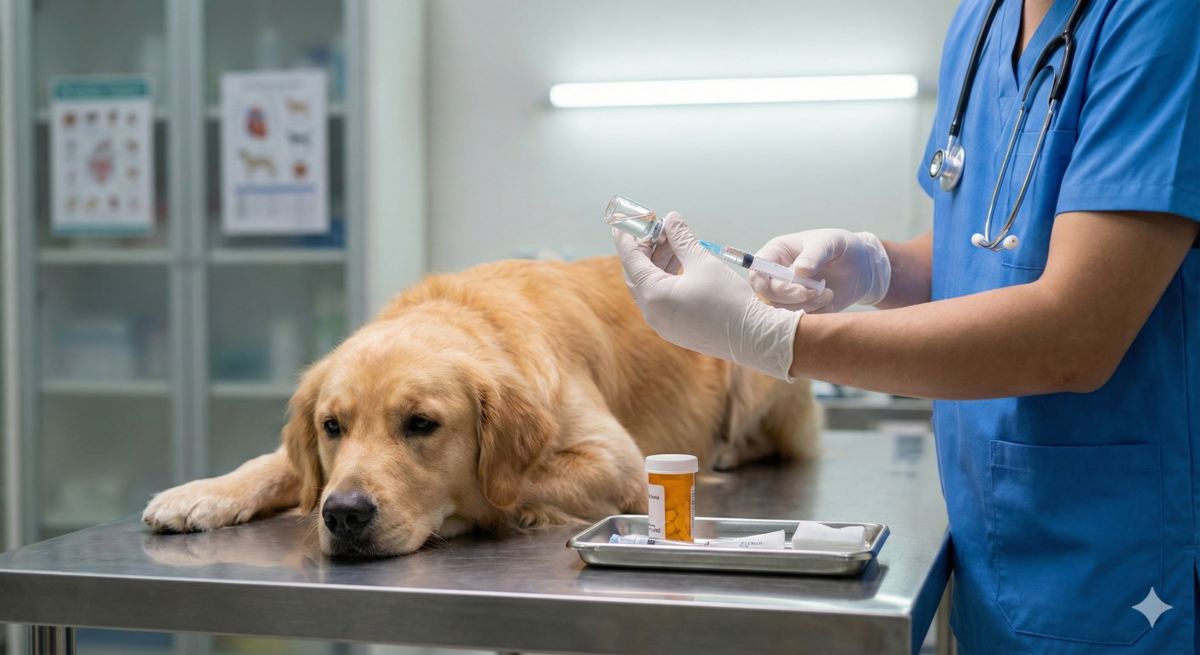
When the vomiting is frequent or the nausea in dog patients is so severe that they cannot keep down water, we move to pharmacological intervention. The gold standard in modern veterinary clinics is Maropitant (commonly known as Cerenia). This dog anti nausea medication is highly effective because it works directly on the emetic center in the brain to block the neurotransmitters that trigger vomiting. Unlike older medications, it is long-acting and typically only requires one dose every 24 hours.
It is vital to understand that while these medications are powerful, they should never be used to mask “Hidden Dangers” like a physical obstruction or the ingestion of “Household Poisons.” A vet will often perform an X-ray before administering dog anti nausea medication to ensure there isn’t a stray sock or a piece of a toy causing a blockage. Furthermore, you should never reach for human-grade anti-nausea meds from your own cabinet, as many contain ingredients that are toxic to canines. For a deeper look at what is truly safe for your pet, you can refer to our protocol on [Safe Pain Relief & Medications for Dogs: The Science-Backed Safety Protocol] to avoid accidental poisoning.
Refeeding Strategies: The Bland Diet Protocol
After the 12-hour fast is complete and no further vomiting has occurred, you can begin the refeeding process. This is the cornerstone of any successful dog nausea treatment at home. We recommend a “Bland Diet,” which typically consists of one part lean protein and two parts simple carbohydrates. Boiled, skinless chicken breast mixed with white rice is the standard recommendation.
For a 30 lb dog, start with a very small portion—roughly 2 tablespoons—to test their tolerance. If they keep it down for 2 hours, you can offer a slightly larger portion every 4 to 6 hours. Do not add any butter, oils, or “Hidden Dangers” like garlic or onion powder, as these will worsen the inflammation. If the vomiting was preceded by an outdoor excursion where your dog might have encountered “Germs and Dangers in the Outdoors,” adding a high-quality probiotic to the bland diet can help restore the natural gut flora. If the nausea is also accompanied by loose stools, following the specific dietary advice in [Dog Diarrhea Treatment: 7 Proven Ways to Stop It Fast & Best Medicines] can help firm things up and prevent further dehydration.
Long-Term Monitoring for Critical Red Flags
Even as you provide the best dog nausea treatment, you must stay vigilant for Critical Red Flags. If your dog transitions from a “sleepy” state to being completely unresponsive like a Dishrag, or if you notice their temperature spiking above 103°F, the recovery is not going as planned. These “Accompanying Symptoms” suggest that the underlying cause might be more than a simple case of “Garbage Gut.”
“Hidden Dangers” like pancreatitis or organ failure often mimic a standard stomach ache in the early stages. If you notice a yellowish tint to their eyes or gums, or if they continue to retch even on an empty stomach, these are Critical Red Flags that require immediate diagnostic imaging. By combining professional dog anti nausea medication with a disciplined recovery plan and careful monitoring, you give your companion the best chance of returning to their happy, energetic self.
FAQ: Diagnostic Clarifications for Canine Emesis for dog illness symptoms
How can I tell if my dog is sick or just having a “Garbage Gut” moment?
Clinical signs that your dog is sick go beyond the act of vomiting. You should evaluate their overall engagement and systemic stability. If the vomiting is isolated and the dog remains energetic, it is likely dietary indiscretion. However, if you observe Accompanying Symptoms such as white gums, excessive drooling, or a “Dishrag” state of lethargy, it indicates a medical crisis. For a systematic evaluation, utilize our [Dog Symptom Checker: The Ultimate Emergency Health Checklist] to perform a rapid triage.
Why is my dog being sick with yellow foam?
Expelling yellow, frothy foam typically indicates Bilious Vomiting Syndrome, which occurs when an empty stomach is irritated by bile reflux. While often managed by adjusting meal frequency, persistent yellow emesis can be a Critical Red Flag for metabolic disorders or “Hidden Dangers” in the liver. If the yellow foam is paired with other digestive issues, reviewing the protocols in [Dog Diarrhea Treatment: 7 Proven Ways to Stop It Fast & Best Medicines] can help you address total GI inflammation.
What should I feed a sick dog with no appetite?
When a dog suffers from acute nausea, the gastrointestinal tract needs a “reset.” After a 12-hour fast, offer a bland diet consisting of boiled chicken breast and white rice (in a 1:2 ratio). If the dog refuses to eat, do not force feed, as this can trigger further vomiting. This bland diet serves as a temporary dog nausea remedy to stabilize the gastric lining before transitioning back to standard kibble.
Can dogs get car sick during travel?
Yes, motion sickness is a common clinical presentation, particularly in younger dogs with underdeveloped inner ear structures. Signs include hypersalivation, yawning, and acting like a “Dishrag” in the vehicle. For travel-induced nausea, a professional dog anti nausea medication like Maropitant is the most effective intervention, as it blocks the emetic signals before they trigger a physical response.
How do I safely get a dog to puke if they ate something dangerous?
Inducing vomiting should only be performed under direct veterinary guidance. While 3% hydrogen peroxide is often used (at a dosage of 1 tsp per 5 lb), it can cause severe esophageal burns if the substance ingested was caustic. If your dog consumed “Household Poisons,” call your vet or a poison control center immediately rather than attempting home induction, as some “Hidden Dangers” cause more damage coming back up.
📚 References
US Food and Drug Administration. “Human User Safety in New and Abbreviated New Animal Drug Applications (CVM GFI #278).” June 2024.
US Food and Drug Administration. “Guidance for Industry: Use of Biomarkers in Animal Drug Development (CVM GFI #267).” April 2020.
Conclusion
Taking proactive steps to address your dog’s health and behavior concerns is the best way to ensure they live a happy, comfortable life. By staying informed and working closely with your veterinarian when needed, you can provide the care your furry companion deserves. Remember that early intervention often leads to better outcomes and can prevent minor issues from developing into more serious conditions.