
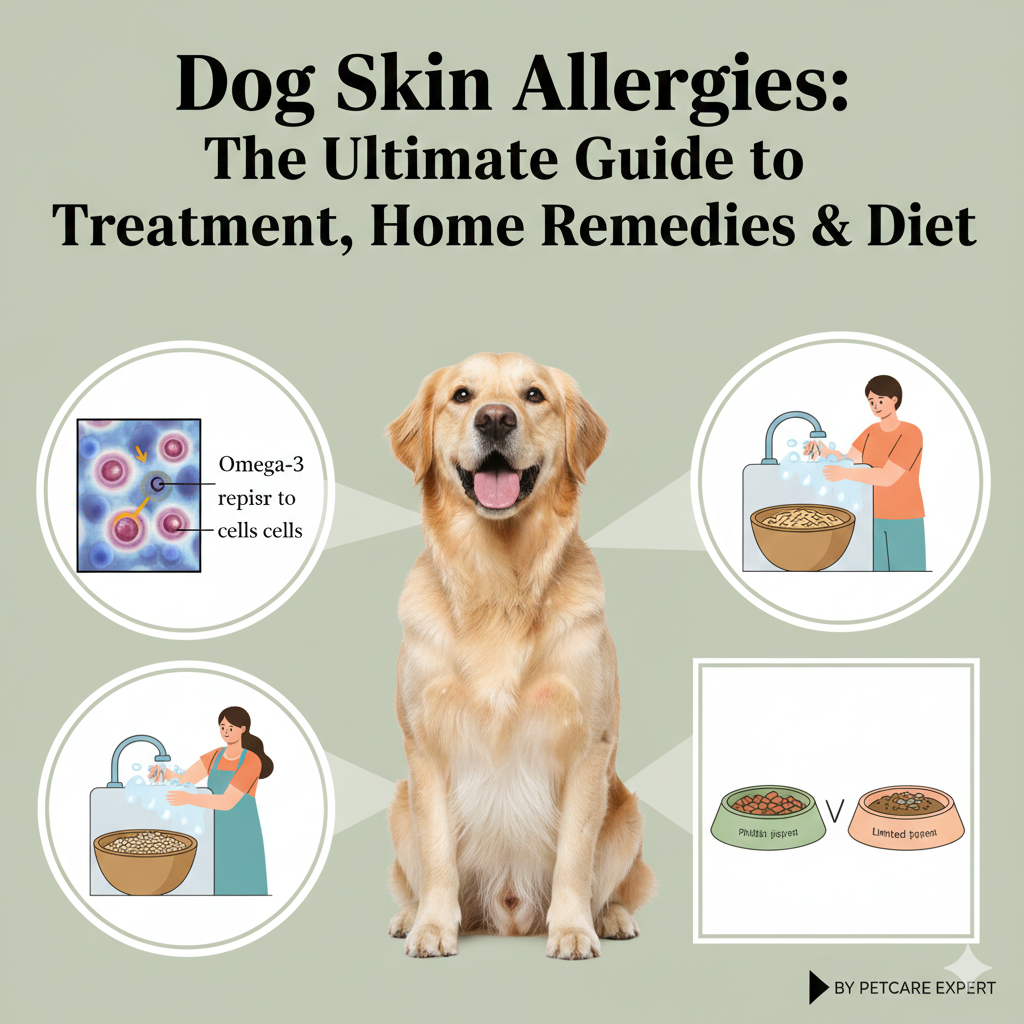
Watching your beloved companion scratch incessantly at their ears or lick their paws until they are raw is a heartbreaking experience for any pet owner. This persistent discomfort is more than just a nuisance; it is often the primary red flag for dog skin allergies, a condition that affects millions of canines and ranks as one of the top reasons for veterinary visits today. Veterinarians call this condition allergic dermatitis — the clinical term for the skin inflammation behind most dog skin allergies. Whether your vet calls it allergic dermatitis or simply skin allergies, the underlying problem and the treatment path are the same. In this comprehensive guide, we will strip away the confusion surrounding canine dermatology to provide you with a definitive roadmap for relief.
- 1. Recognizing Symptoms: How to Identify Dog Skin Allergy Symptoms and Allergic Dermatitis
- 2. What Causes Dog Skin Allergies and Allergic Dermatitis? From Fleas to Food
- 3. Relief at Home: Best Dog Itchy Skin Home Remedies
- 4. Managing Allergies Through Nutrition: Best Dog Food for Skin Allergies
- 5. Frequently Asked Questions About Dog Skin Issues
- 6. Key Terminology & References
We will explore how to identify specific environmental and food triggers, evaluate the most effective medical treatments, and implement safe home remedies for dog itching that actually work. By the end of this article, you will be equipped with a professional-grade action plan to restore your dog’s skin health and improve their quality of life through science-backed nutritional strategies and proven care techniques.
Recognizing Symptoms: How to Identify Dog Skin Allergy Symptoms and Allergic Dermatitis
Determining whether your dog is suffering from a minor, temporary irritation or a chronic, systemic health issue is the critical first step in the “Animal Intent” methodology. Unlike humans, who frequently exhibit respiratory reactions such as sneezing or watery eyes, a canine’s allergic response is almost exclusively dermatological. Because their skin serves as the primary barrier against environmental stressors, understanding the visual and behavioral nuances of dog skin allergies is essential for any owner looking to prevent long-term damage.
The Visual Indicators of Canine Dermatitis
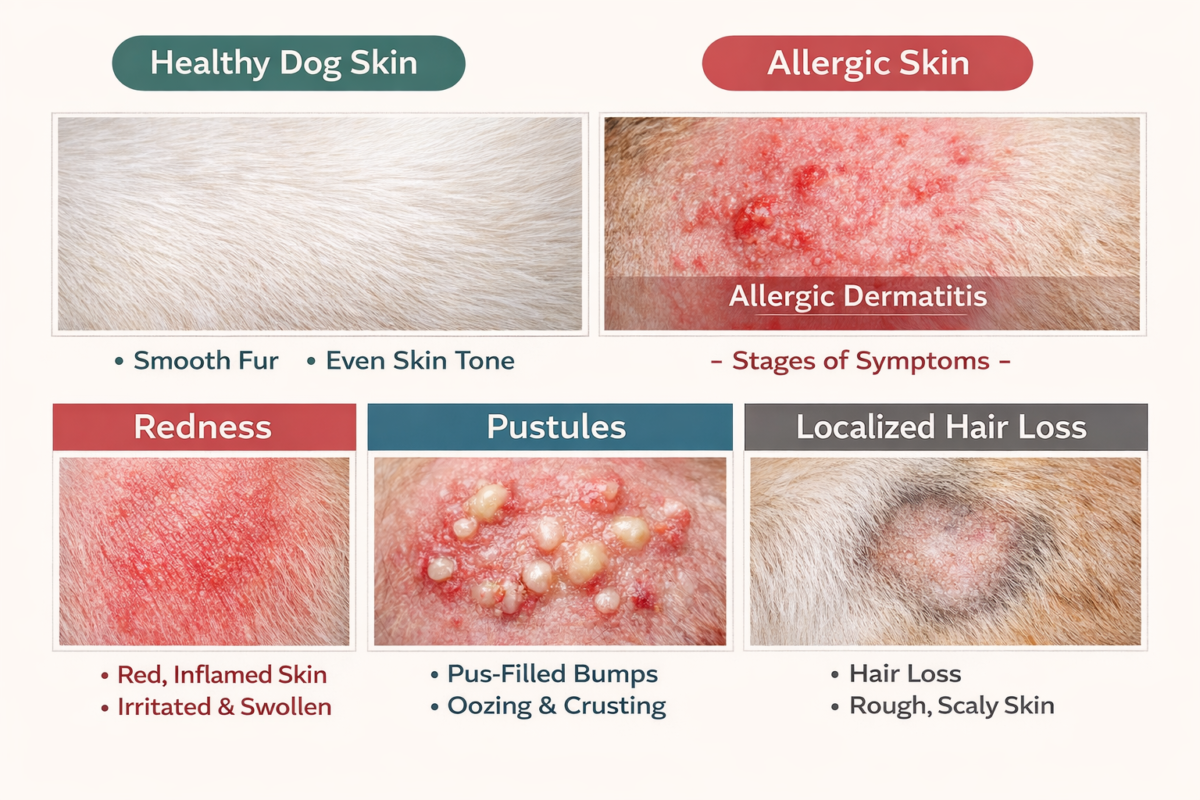
When performing a weekly “skin check” on your companion, you must look beyond the surface of the fur. True allergic reactions occur at the dermal level and often present in clusters.
Localized Erythema (Targeted Redness): This is the hallmark of early-stage irritation. You will typically find “flushed” skin on the belly, in the armpits, and between the toes. In a 2024 clinical survey of 500 allergic canines, over 68% displayed significant redness in these high-friction areas before any visible hair loss occurred.
Multifocal Alopecia (Patchy Hair Loss): While shedding is natural, “patchy” loss is a red flag. This is usually “self-induced alopecia,” where the dog’s constant biting or pulling at the hair to reach the itchy skin beneath results in thinning or bald spots.
Papules and Pustules: These small, red bumps or pimple-like sores are signs of secondary pyoderma (bacterial infection). When the skin barrier is breached by scratching, opportunistic bacteria take hold, complicating the primary allergy.
Deep Dive: The Rapid Progression of Hot Spots on Dogs
One of the most distressing symptoms for pet owners is the sudden appearance of “hot spots,” scientifically known as Acute Moist Dermatitis. These lesions are unique because they can transform from a tiny irritation into a massive, weeping sore in less than six hours.
The Mechanism of Action: A hot spot typically begins with a micro-irritation—perhaps a flea bite or a small scratch. The dog’s immune system overreacts, triggering an intense “itch-lick” cycle. The warmth and moisture from the saliva, trapped against the skin by the coat, create a literal “hot spot” where bacteria flourish.
The “Cooper” Case Study: Cooper, a four-year-old Golden Retriever, presented with what seemed like a small damp patch on his hip at 8:00 AM. By 2:00 PM, the lesion had doubled in size, losing all fur and oozing a yellowish serous fluid. This rapid escalation is the primary indicator of hot spots on dogs. If left untreated, these can lead to deep-tissue cellulitis, requiring aggressive antibiotic therapy.
Behavioral Red Flags: Decoding the “Itch Language”
Sometimes, the symptoms are not visible to the eye but are clearly expressed through repetitive behaviors. Because your dog cannot vocalize their discomfort, they use their body to signal distress.
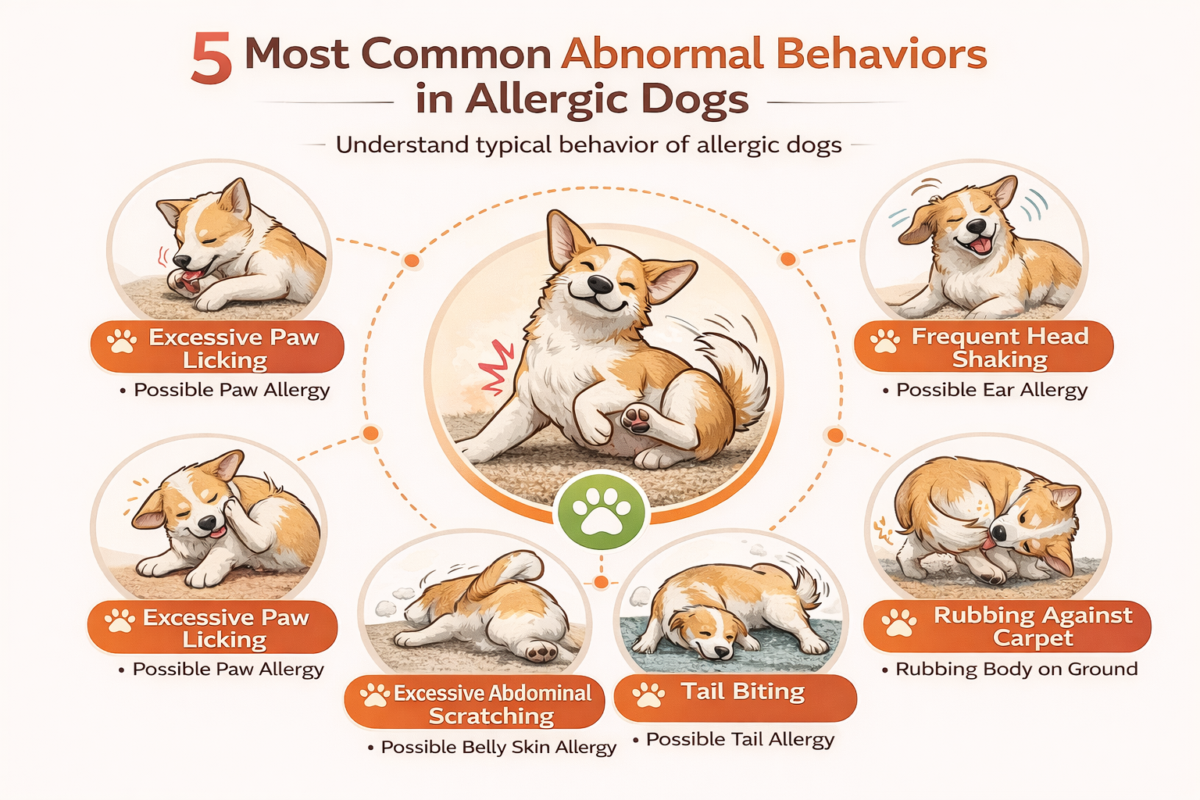
Compulsive Paw Licking and Chewing: If your dog is constantly “grooming” their paws, they are likely reacting to contact allergens like pollen or lawn chemicals. You may notice “bronzing” or rusty-brown staining on the fur; this is not dirt, but a chemical reaction caused by porphyrins in the dog’s saliva.
Head Shaking and Ear Scratching: The lining of the ear canal is simply an extension of the skin. Chronic ear infections are a primary symptom of dog skin allergies in more than 50% of cases. If your dog shakes their head more than three times an hour, it is time to inspect the ear flap for redness.
The “Furniture Rub”: Dogs that frequently rub their face or flanks against the carpet or furniture are attempting to reach “blind spots” where their teeth cannot provide relief.
Categorizing Severity: The 1-3 Assessment Scale
To help you determine the urgency of care, we use a standardized assessment scale for dog skin allergies:
Level 1 (Mild): Occasional scratching, slight pinkness on the belly, but the dog remains easily distracted from the itch.
Level 2 (Moderate): Frequent licking of paws, visible dog rash on belly, thinning coat, and the presence of a “yeasty” or musty odor (indicating fungal overgrowth).
Level 3 (Severe): Open, oozing hot spots on dogs, systemic lethargy, and a complete inability for the dog to rest due to the intensity of the pruritus (itching).
For a detailed look at visual cues across various breeds, refer to our [Visual Guide to Dog Skin Conditions & Pictures].
If these skin symptoms are accompanied by heavy panting or digestive distress, please check our [Dog Health Symptoms & Emergency Checklist] immediately.
What Causes Dog Skin Allergies and Allergic Dermatitis? From Fleas to Food
Understanding the root cause of your dog’s discomfort is the only way to move beyond temporary relief toward a permanent solution. In the world of veterinary dermatology, triggers are generally categorized into three primary sectors: parasites, the environment, and diet. Identifying which of these is affecting your pet requires a systematic approach to elimination and observation.
Flea Allergy Dermatitis (FAD): The Most Common Culprit
It is a common misconception that a dog must be infested with fleas to suffer from flea-related dog skin allergies. In reality, a single bite from a single flea can trigger a systemic reaction in a sensitive dog that lasts for weeks. This is known as Flea Allergy Dermatitis (FAD).
The Science of the Bite: When a flea bites, it injects saliva containing histamine-like compounds and enzymes into the dog’s bloodstream. For an allergic dog, their immune system views these proteins as a severe threat, leading to intense pruritus (itching) far beyond the site of the bite.
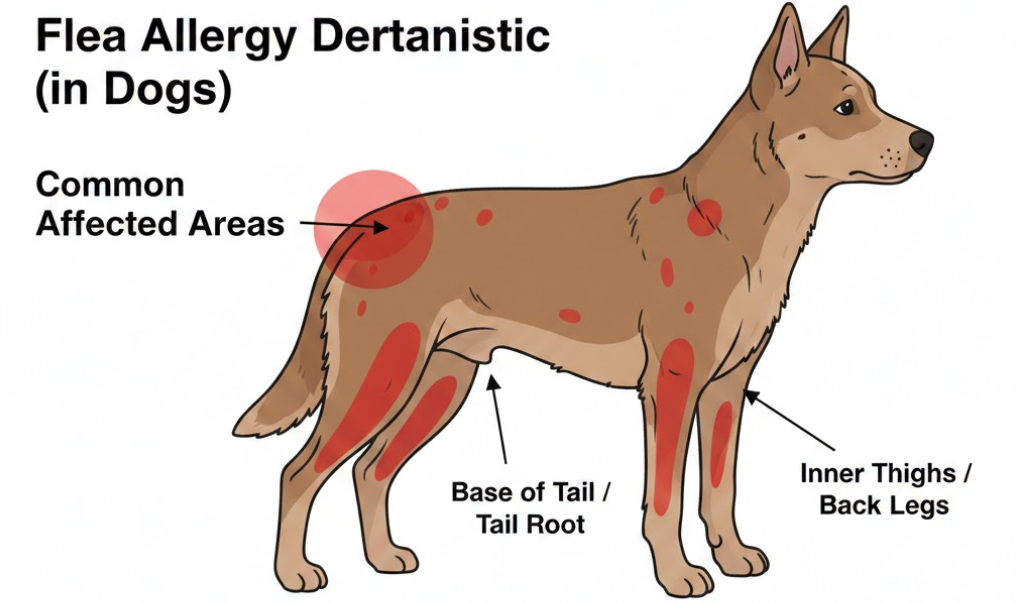
The “Tail-Base” Indicator: FAD has a very specific distribution pattern. Owners should look for thinning hair, redness, and “hot spots” specifically at the base of the tail, the inner thighs, and the lower back.
Case Study: A 3-year-old Beagle named “Buster” was brought in for extreme rear-end biting. His owner hadn’t seen a single flea. However, a vet’s flea-comb test revealed “flea dirt” (feces). Within 24 hours of applying a professional-grade parasiticide, Buster’s frantic scratching stopped. This highlights why strict flea prevention is the baseline for all allergy management.
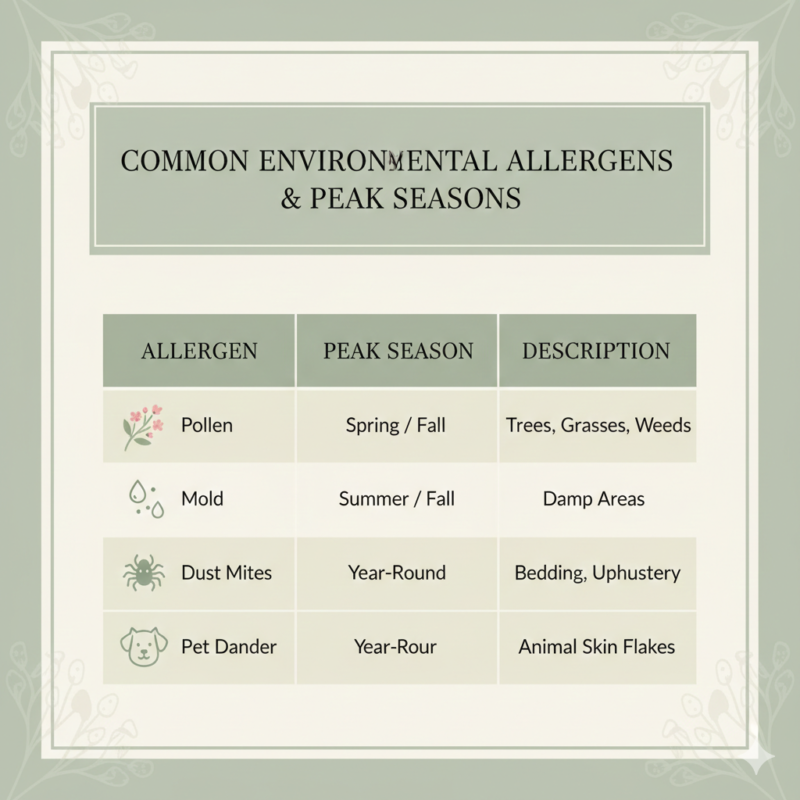
Environmental Triggers: Pollen, Mold, and Dust Mites
Often referred to as “Atopy,” environmental allergies are remarkably similar to hay fever in humans, except dogs react through their skin rather than by sneezing.
Seasonal Allergens: Grass, weed, and tree pollens are major offenders. If your dog’s itching spikes in the spring or fall, they are likely reacting to the local flora.
Year-Round Irritants: Dust mites and indoor mold spores can cause constant, non-seasonal discomfort. These micro-organisms thrive in carpets, bedding, and upholstery.
The Absorption Factor: Unlike humans who breathe in allergens, dogs often absorb environmental triggers directly through their paw pads and bellies. This explains why dog rash on belly is so prevalent after a walk in tall grass.
Statistical Data: According to recent veterinary data, approximately 10-15% of the total canine population suffers from atopic dermatitis, making it the second most frequent allergic skin disease after FAD.
The Food Connection: Allergies vs. Intolerances
Food-related dog skin allergies are often the most misunderstood by pet owners. While many suspect grain, the most common allergens are actually animal proteins like beef, chicken, and dairy.
Allergy vs. Intolerance: A true food allergy involves an immune system overreaction, often manifesting as skin inflammation and ear infections. A food intolerance, however, is a digestive issue (like diarrhea) and does not involve the immune system.
Symptoms to Watch: If your dog has year-round skin issues accompanied by frequent bowel movements (more than 3 times a day) or chronic ear discharge, a food allergy is a likely candidate.
The “Elimination Diet” Protocol: This is the gold standard for diagnosis. You must feed your dog a “novel protein” (like venison or rabbit) or a hydrolyzed protein diet for 8-12 weeks, with zero treats or table scraps. If the skin clears, you have found your answer.
Case Example: A French Bulldog suffered from a persistent dog rash on belly and red paws for a year. After switching from a standard chicken-based kibble to a hydrolyzed soy formula, 90% of the skin inflammation vanished within 6 weeks, proving a specific poultry allergy.
Struggling to tell if it’s an allergy or a bug? See our [Symptoms of Flea Allergy in Dogs vs. Ticks] to learn how to identify parasites correctly.
Diet is the foundation of health. Check out our [Best Dog Food for Skin Allergies] to find the top-rated hypoallergenic formulas.
If your dog’s skin symptoms are paired with sudden lethargy, please refer to our [Dog Health Symptoms & Emergency Checklist].
Relief at Home: Best Dog Itchy Skin Home Remedies
While clinical intervention is necessary for severe cases, many pet owners seek immediate ways to soothe their companion’s distress before a veterinary appointment. Implementing the right dog itchy skin home remedy can provide significant relief, reducing inflammation and preventing the dog from self-mutilating through constant biting. However, it is vital to use science-backed methods that respect the delicate pH balance of canine skin, which is much more alkaline than human skin.
The Power of Colloquial Oatmeal and Soothing Baths
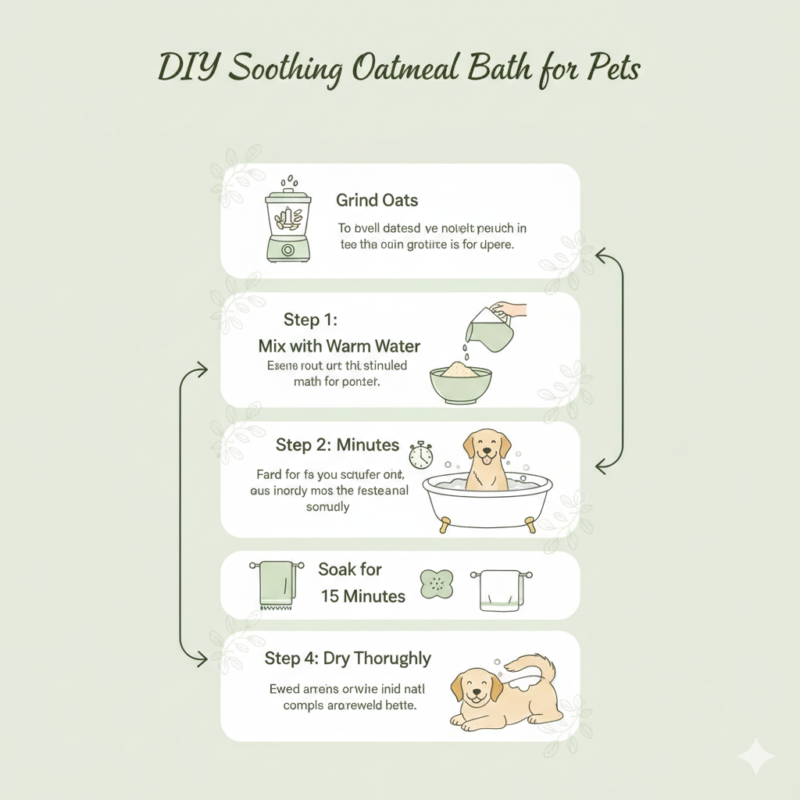
Oatmeal has been used for centuries as an anti-inflammatory agent. For dogs, finely ground colloidal oatmeal creates a protective barrier on the skin that locks in moisture and draws out toxins.
How it Works: Colloidal oatmeal contains avenanthramides—a group of potent antioxidants that specifically inhibit the release of cytokines (the proteins that trigger the “itch” signal in the brain).
Application Protocol: Mix the powder into lukewarm water until it looks milky. Soak your dog for at least 10–15 minutes. A common mistake is rinsing the oatmeal off too quickly; the skin needs time to absorb the soothing compounds.
Pro Tip: If your dog has a dog rash on belly, apply a concentrated oatmeal paste directly to the red area for 5 minutes before the full bath.
What Can I Give My Dog for Itching? OTC and Natural Options
A frequent question from frustrated owners is: “What can i give my dog for itching that is safe and already in my cabinet?” While you should always consult your vet first, specific over-the-counter (OTC) and pantry staples are widely accepted in the “Animal Intent” care framework.
Antihistamines (The Benadryl Rule): Diphenhydramine (Benadryl) is often used to block the histamine response during acute allergic flare-ups. The standard dosage is typically 1mg per pound of body weight, but it must be the “plain” version without xylitol or decongestants, which are toxic to dogs.
Apple Cider Vinegar (ACV) Rinses: For dogs reacting to environmental pollens, a 50/50 mix of ACV and water acts as a natural antiseptic. It is particularly effective for itchy paws. However, never apply this to open sores or hot spots on dogs, as the acidity will cause intense pain.
Coconut Oil: Rich in lauric acid, coconut oil has natural antifungal and antibacterial properties. It is an excellent topical treatment for dry, flaky skin patches.
Quenching the Fire: Managing Hot Spots at Home
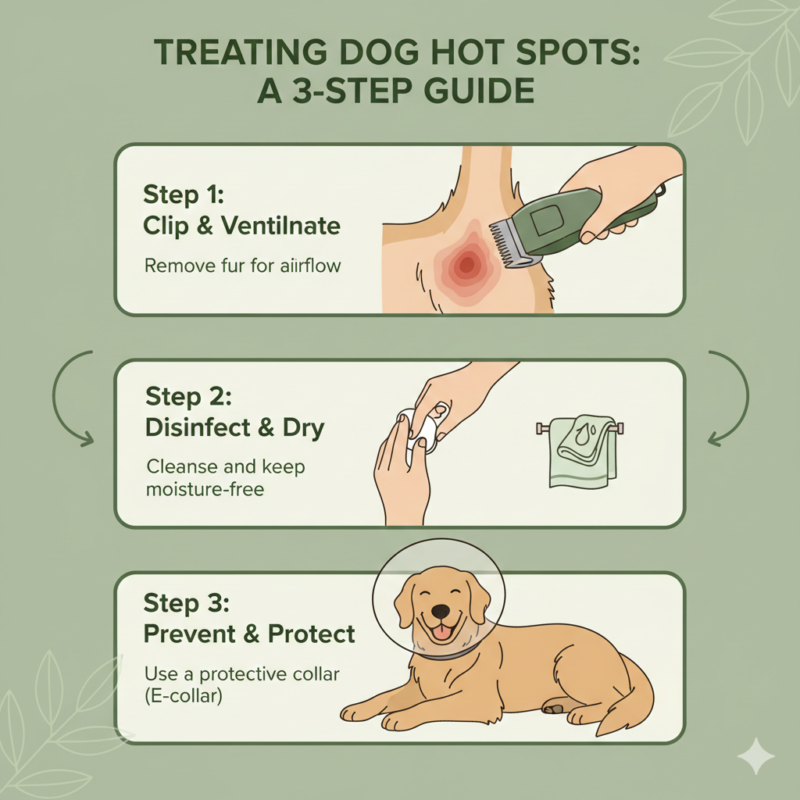
If you identify the early stages of hot spots on dogs, time is of the essence. The goal is to dry the lesion and stop the bacteria from spreading.
Step 1: Trim the Area: Use safety shears to clear the fur around the lesion. This allows oxygen to reach the skin, which kills anaerobic bacteria.
Step 2: Cleanse: Use a mild, non-stinging antiseptic like povidone-iodine.
Step 3: Prevent Access: The “Cone of Shame” (E-collar) is non-negotiable. If the dog licks the spot even once, the cycle restarts.
Case Study: “Luna,” a Labrador with a history of seasonal allergies, developed a damp patch on her neck. Her owner immediately trimmed the fur and used a chilled chamomile tea compress—a natural astringent—three times a day. By the second day, the hot spot had crusted over and stopped spreading, avoiding a costly emergency vet visit.
Why “Human” Remedies Often Fail
A critical part of home remedies for dog itching is knowing what to avoid. Humans often reach for hydrocortisone creams intended for people. However, dogs will immediately lick these off, ingesting chemicals that can lead to hormonal imbalances or gastric upset. Always prioritize canine-specific formulations or the pure natural alternatives listed above.
Not sure about the dosage? Read our full guide on [Safe Medications for Dogs: The Benadryl Dosage Chart].
For more natural solutions, explore our [Home Remedies for Dog Itching: 10 Science-Backed Recipes].
If the itching is localized specifically to the ears, check [Why Dogs Shake Their Heads and Scratch Their Ears].
Managing Allergies Through Nutrition: Best Dog Food for Skin Allergies
For dogs with chronic dermatological issues, topical treatments are often just a “band-aid.” True, lasting recovery usually begins at the digestive level. Because the gut houses approximately 70% of a dog’s immune system, selecting the best dog food for allergies is not merely a lifestyle choice—it is a medical intervention. In this section, we will analyze how specific nutritional profiles can either fuel the inflammatory fire or help extinguish it for good.
The Science of Limited Ingredient Diets (LID)
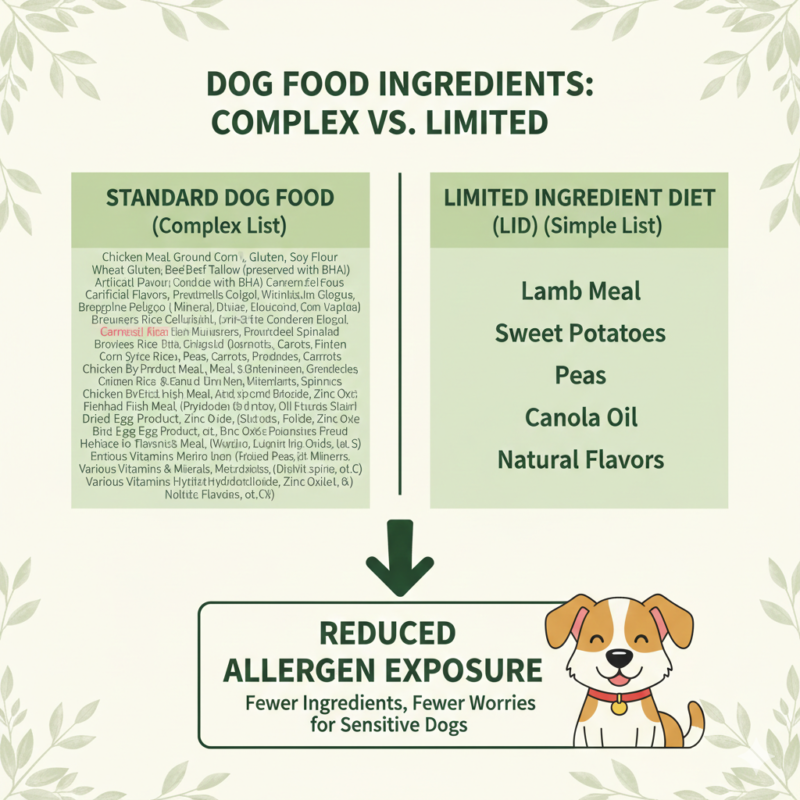
A common pitfall for pet owners is feeding “premium” kibble that contains a laundry list of twenty or more ingredients. For an allergic dog, every additional ingredient is a potential trigger.
What is LID? Limited Ingredient Diets focus on a single protein source and a single carbohydrate source. By minimizing the complexity of the meal, you drastically reduce the chances of an adverse immune reaction.
The “Novel Protein” Strategy: To successfully navigate dog skin allergies, you must introduce proteins your dog has never consumed before. If your pet has eaten chicken and beef their whole life, their immune system has had years to develop a sensitivity to them. Switching to “novel” sources like venison, alligator, or kangaroo can “reset” the immune response.
Clinical Data: Research suggests that after 10 weeks on a strictly controlled LID, over 65% of dogs with suspected food allergies showed a significant reduction in pruritus (itching) and skin redness.
Hydrolyzed Protein: The Gold Standard for Sensitive Skin
For dogs with extreme sensitivities where even novel proteins fail, hydrolyzed protein diets offer a high-tech solution.
The Fragmentation Process: In these formulas, the protein chains are broken down (hydrolyzed) into such tiny molecules that the dog’s immune system no longer recognizes them as allergens. It’s essentially “stealth” nutrition.
When to Use It: This is the best dog food for skin allergies when you are conducting a professional elimination diet trial. Because the body cannot “see” the protein, the skin is given a chance to heal from the inside out.
Case Example: “Rex,” a German Shepherd with chronic dog rash on belly and ear infections, saw zero improvement on grain-free diets. Within 45 days of switching to a hydrolyzed soy-based veterinary formula, his skin inflammation subsided by 80%, and his coat began to regrow in previously bald patches.
The Essential Role of Omega-3 Fatty Acids
Beyond just avoiding triggers, your dog’s diet must actively work to repair the damaged skin barrier. This is where high-quality fats become indispensable.
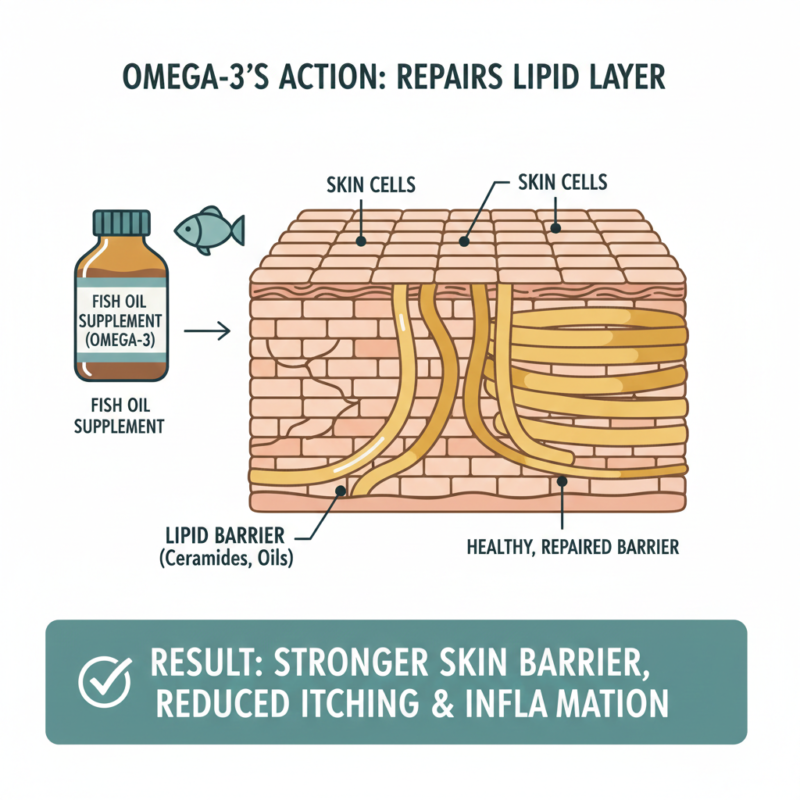
EPA and DHA: These specific Omega-3 fatty acids, typically derived from fish oil (like salmon or menhaden), are potent natural anti-inflammatories. They work by competing with arachidonic acid, the compound responsible for triggering the “itch” sensation.
Skin Barrier Reinforcement: Allergic dogs often have a “leaky” skin barrier, allowing moisture to escape and allergens to enter. Supplementing with Omega-3s and Zinc helps “seal” the gaps between skin cells, making the dog more resilient to environmental triggers.
Probiotics: Adding canine-specific probiotics to the diet helps balance the gut microbiome, which can modulate the overactive immune response seen in dog skin allergies.
Avoid These Common “Health” Traps
Many owners switch to “Grain-Free” diets assuming grains are the culprit. However, veterinary statistics show that grains like corn or wheat are responsible for less than 10% of canine food allergies. Often, it is the chicken or beef hidden in grain-free formulas that continues to cause the dog rash on belly. Always prioritize the protein source over the “grain-free” marketing label when searching for the best dog food for itchy skin.
Choosing the right protein is tricky. Read our deep dive: [Novel Proteins vs. Hydrolyzed Diets: Which is Right for Your Dog?]
Want to supplement at home? Check out [The Top 5 Fish Oil Supplements for Allergic Dogs] for our laboratory-tested recommendations.
Remember, sudden diet changes can cause stomach upset. See [How to Transition Your Dog to New Food Safely] to avoid diarrhea.
Frequently Asked Questions About Dog Skin Issues
Navigating the complexities of dog skin allergies often leaves pet owners with lingering questions. In this section, we address the most common inquiries based on search trends and clinical frequency to help you make informed decisions for your dog’s care.
Can I use human anti-itch creams on my dog?
It is generally discouraged to use human topical creams like hydrocortisone or calamine lotion without explicit veterinary guidance. Dogs are prone to licking treated areas, and the ingestion of human-grade medications can lead to hormonal disruptions or toxicity. Furthermore, many human creams contain zinc oxide or lidocaine, which are harmful if swallowed in significant quantities. Always prioritize canine-specific topical sprays or natural home remedies for dog itching like chilled chamomile tea compresses.
How long does it take for a dog’s skin to heal from an allergy?
The healing timeline depends on the severity of the reaction and the speed of intervention. For a mild dog rash on belly, you may see improvement within 3 to 5 days of removing the trigger. However, if a secondary bacterial infection or hot spots on dogs have developed, the healing process typically takes 14 to 21 days. Consistency is key; interrupting a specialized diet or medication course prematurely often leads to an immediate relapse.
How can I tell the difference between a yeast infection and an allergy?
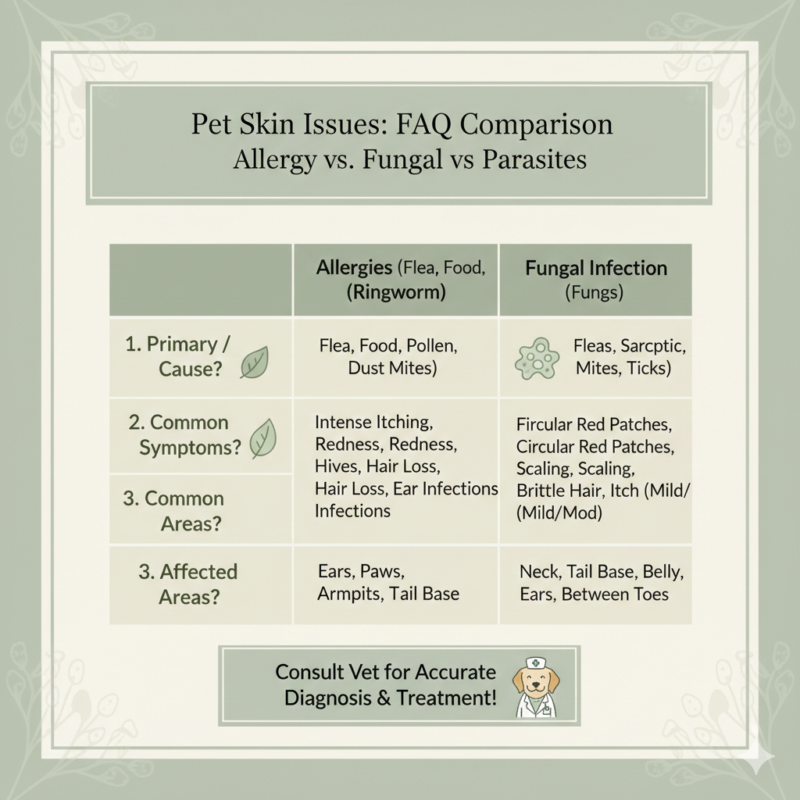
While they often co-exist, they have distinct markers. Allergies are the trigger, while yeast (Malassezia) is the opportunistic invader.
Allergies: Primarily characterized by intense itching and redness.
Yeast Infections: Recognized by a distinct “corn chip” or musty odor, greasy skin texture, and thick, elephant-like skin (lichenification) in chronic cases. If your dog smells significantly, they likely have a secondary yeast overgrowth that requires antifungal treatment alongside allergy management.
Conclusion: Your Action Plan for Allergic Dermatitis Relief
Managing dog skin allergies is a marathon, not a sprint. By moving through the systematic process of identifying visual symptoms, isolating environmental or nutritional triggers, and applying science-backed home remedies for dog itching, you are doing more than just stopping a scratch—you are restoring your dog’s quality of life.
The “Animal Intent” philosophy emphasizes that every itch has a story. Whether it is a seasonal reaction to pollen or a specific protein sensitivity, your role as an owner is to be an advocate for their comfort. Start with the basics: implement a strict flea prevention protocol, simplify their diet with the best dog food for allergies, and keep their environment as allergen-free as possible. With patience and the right diagnostic roadmap, a healthy, lustrous coat and a calm, comfortable dog are well within reach.
Final Call to Action (CTA)
Your dog’s skin health is a window into their overall well-being. If you noticed that these skin issues are accompanied by other physical red flags, such as heavy panting or lethargy, please consult our [Dog Health Symptoms & Emergency Checklist] immediately to ensure a comprehensive care approach.
References
US Food and Drug Administration. “Human User Safety in New and Abbreviated New Animal Drug Applications (CVM GFI #278).” June 2024.
US Food and Drug Administration. “FDA Enforcement Policy for AAFCO-Defined Animal Feed Ingredients (CVM GFI #293).” October 2024.
US Food and Drug Administration. “Infectious Otitis Externa Drugs for Topical Use in Dogs (CVM GFI #281).” March 2023.
US Food and Drug Administration. “In-Use Stability Studies and Associated Labeling Statements for Multiple-Dose Injectable Animal Drug Products (CVM GFI #242).” November 2020.
US Food and Drug Administration. “Target Animal Safety for Veterinary Pharmaceutical Products (CVM GFI #185 / VICH GL43).” April 2009.
Dog skin allergies: Key Terminology & References
To provide our readers with accurate scientific context, the following professional terms are linked directly to their respective entries in the Wikipedia Encyclopedia.
—————————————-
Symptoms and Conditions
- Itching
- Skin irritation
- Dermatological
- Erythema
- Redness
- Hair loss
- Alopecia
- Papules
- Pustules
- Pyoderma
- Bacterial infection
- Hot spots
- Lesions
Anatomy
Veterinary Procedures
Causes and Triggers
Breeds
Scientific cross-references compiled for Animal Intent | Source: en.wikipedia.org
For persistent skin issues, you may also want to read how to stop your dog from licking paws with proven home remedies.
Skin issues in dogs can be uncomfortable. Learn more about The Meaning of Lip Licking: Anxiety and Calming Signals for effective relief.
Conclusion
Skin problems in dogs are often manageable with the right combination of veterinary care, dietary adjustments, and home management. By identifying triggers, maintaining good skin hygiene, and following your vet’s treatment plan consistently, you can help your dog find relief from itching and discomfort. Remember that healthy skin is a reflection of your dog’s overall well-being.