
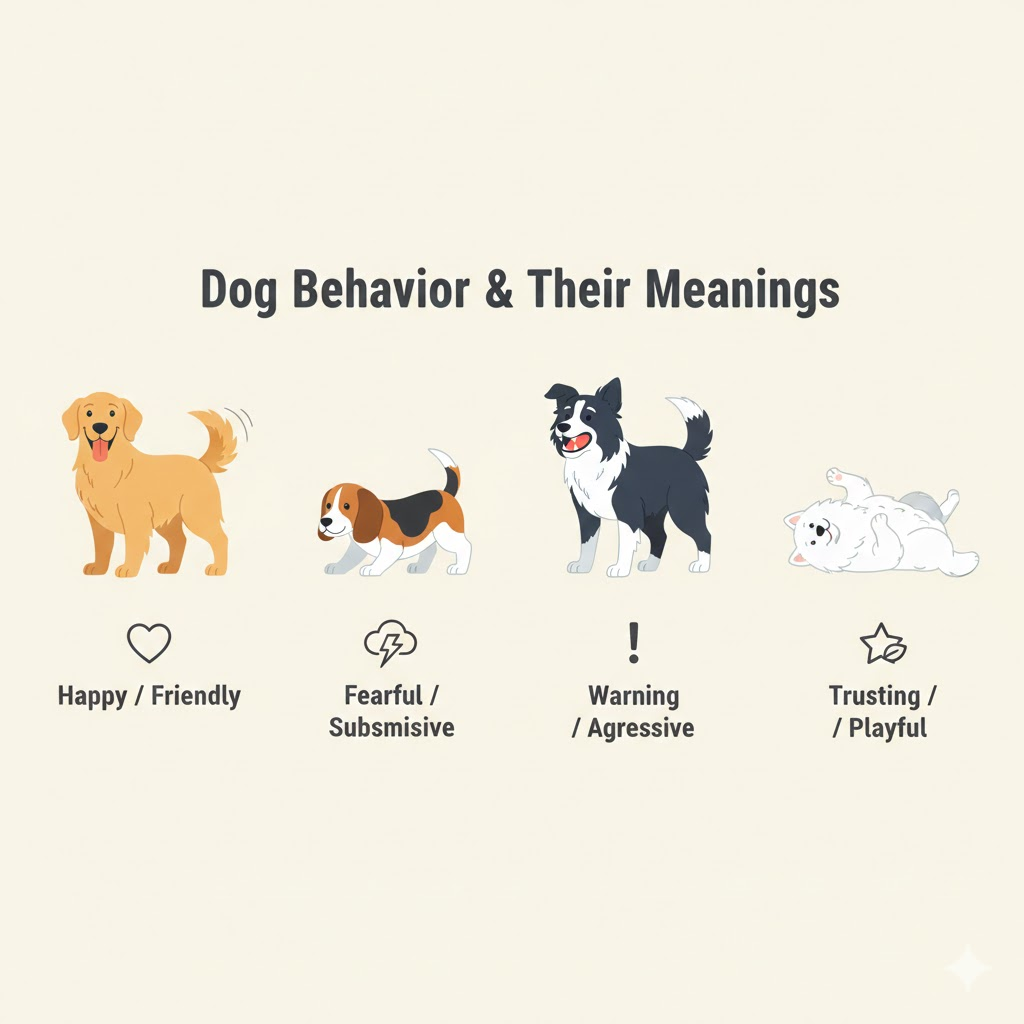
Ever wondered about the true dog behavior meaning behind that sudden head tilt or incessant paw licking? As dog owners, we often wish our pets could speak, but the truth is, they are communicating with us every second—just not with words.
- 1. Decoding Dog Body Language: From Head to Tail for Dog Behavior Meaning
- 2. 10 Common Dog Behaviors and What They Really Mean for dog behavior meaning
- 3. Understanding Dog Social Intent and Communication
- 4. FAQ: Frequently Asked Questions About Dog Behavior
- 5. WIKIPEDIA REFERENCE LINKS
- 6. Common Dog Behavior Problems and Solutions
- 7. Building a Stronger Bond Through Understanding
- 8. Frequently Asked Questions About Dog Behavior
Understanding dog body language and the intent behind their actions is more than just a party trick; it is a vital skill for ensuring your dog’s health and happiness. In this ultimate guide, we will move beyond simple observations to help you decode the complex signals your canine companion is sending. Whether you are dealing with a new puppy or a senior dog, mastering the dog behavior meaning in various contexts will transform the way you bond with your best friend.
Decoding Dog Body Language: From Head to Tail for Dog Behavior Meaning
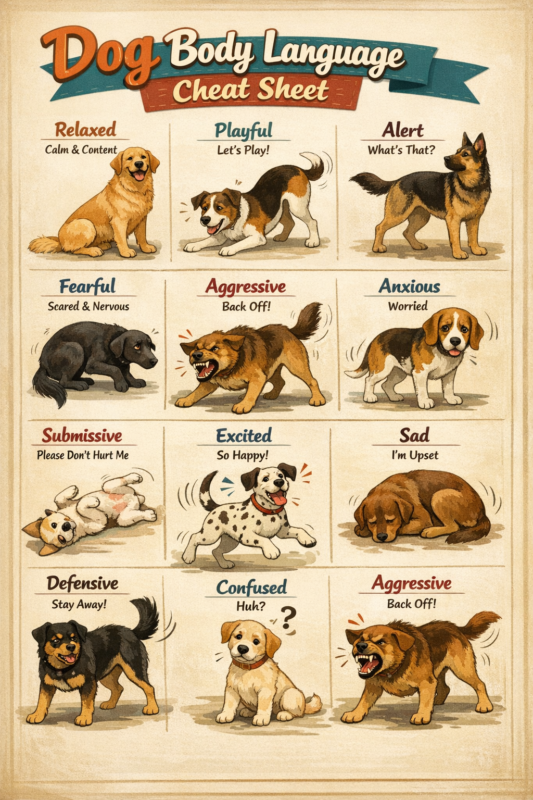
Understanding dog behavior meaning begins with a holistic view of your pet’s physical signals. Often, pet parents focus on a single part of the body, but the true dog body language meaning is found in the combination of various cues. To accurately decode what your dog is trying to tell you, let’s break down the primary communication zones from head to tail.
(1) The Eyes and Ears: Windows to Their Mind
The upper part of a dog’s head provides the most immediate insight into their emotional state.
(1) Soft vs. Hard Eyes: A relaxed dog will have “soft” eyes with normal-sized pupils. Conversely, a fixed, unblinking “hard” stare is often a sign of a challenge, potential aggression, or high arousal.
(2) The Whale Eye: One of the most critical signals to recognize is the Whale Eye. This happens when a dog keeps its head still but moves its eyes to the side, revealing the white parts (sclera). In the context of dog behavior meaning, this almost always indicates extreme stress, anxiety, or resource guarding.
(3) Ear Positioning: Ears pricked forward show intense focus or curiosity. However, ears pinned back flat against the head usually signify fear, anxiety, or submission.
(2) Mouth and Facial Expressions: More Than Just a Smile
Many owners mistake a “panting mouth” for a happy smile, but the dog body language meaning behind facial expressions is much more nuanced.
(1) Lip Licking: When not associated with food, frequent lip licking is an “appeasement signal” used by dogs to de-escalate a situation they find uncomfortable or stressful.
(2) The Submissive Grin: Some dogs “smile” by lifting their front lips to show their teeth in a non-threatening way. This is a sign of submission and is often confused with an aggressive snarl.
(3) The Snarl: A curled lip accompanied by a low growl or wrinkled muzzle is a clear intent to warn others to back off.
(3) Tail Position: The Emotional Barometer
One of the biggest myths in dog behavior is that a wagging tail always means a happy dog. To decode the true intent, you must observe the tail’s height and tension.
(1) The High Flag: A tail held high and stiff, vibrating quickly (often called flagging), indicates high arousal and potential reactivity. (2) The Low Tuck: A tail tucked between the legs is a universal sign of fear, insecurity, or severe physical discomfort.
(3) The Broad Wag: A wide, sweeping wag that moves the dog’s entire hips is the classic sign of a relaxed, joyful, and friendly dog.
10 Common Dog Behaviors and What They Really Mean for dog behavior meaning
While understanding body language is a great start, certain common dog behaviors can still leave pet parents feeling confused. To provide the best care, you must look at the intent behind these actions. Below are the most frequent behaviors and the dog behavior meaning you need to know.
(1) Excessive Paw Licking: Self-Soothing or Medical?
If you notice your dog licking paws constantly, it is rarely just a grooming habit. In many cases, the intent is a self-soothing mechanism to cope with environmental allergies or localized discomfort.
(1) The Meaning: Persistent licking often indicates itchy skin or yeast infections.
(2) The Red Flag: If the paws appear red, swollen, or raw, it has moved from a behavioral quirk to a medical necessity.
(2)Head Shaking and Ear Scratching
Frequent head shaking is a clear sign that your dog is experiencing irritation within the ear canal.
(1) The Intent: Your dog is trying to dislodge debris, excess wax, or potential ear mites.
(2) The Hidden Meaning: If the ears look clean but the shaking persists, the dog behavior meaning could point to a deeper middle-ear infection or even neurological sensitivity.
(3)The “Zoomies” (FRAPs)
Technically called Frenetic Random Activity Periods, the zoomies are those sudden, frantic sprints around the house or yard.
(1) The Intent: This is a natural way for dogs to release pent-up energy or relieve “stress” after a bath or a long vet visit.
(2) The Meaning: It is almost always a sign of a happy, healthy dog expressing pure joy.
(4) Nibbling and “Cobbing”
Does your dog use their front teeth to gently “nibble” on your sleeve or skin? This is often called cobbing.
(1) The Intent: This is a social grooming behavior inherited from their pack-dwelling ancestors.
(2) The Meaning: In the world of dog behavior, this is a high-level compliment. They are treating you as a beloved member of their family.
(5) Staring and Intense Eye Contact
When your dog stares at you while you’re eating or just sitting on the couch, the intent varies based on their posture.
(1) The Meaning: If the body is relaxed, they are likely expressing affection or waiting for a cue.
(2) The Warning: A stiff body during a stare is a request for space and should not be ignored.
Understanding Dog Social Intent and Communication for dog behavior meaning
Dogs are highly social pack animals, and their social intent is often expressed through subtle physical interactions. By recognizing these common social cues, you can better understand your dog’s emotional needs and strengthen your bond. Here is a breakdown of the most common social behaviors in the domestic dog.
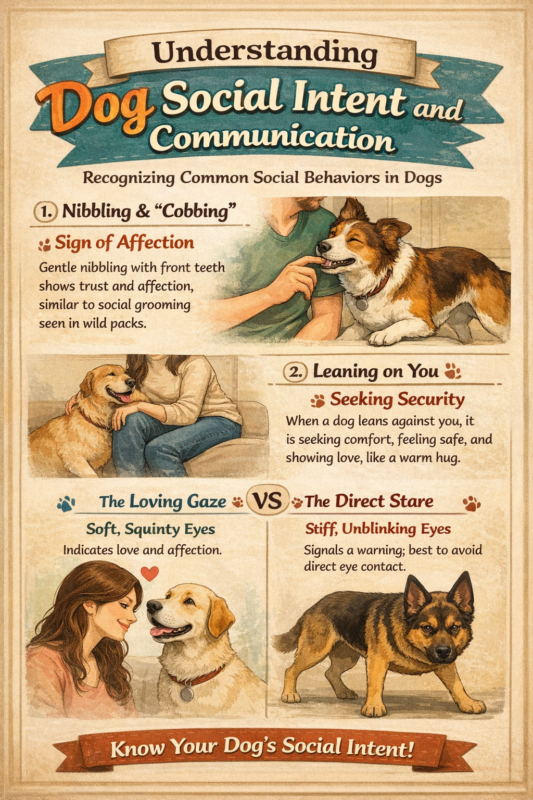
(1) Nibbling and “Cobbing”: A Sign of Affection?
One of the most misunderstood dog social intents is “cobbing,” where a dog uses their front teeth to gently nibble on your skin or clothing.
(1) The Meaning: This mimics the “social grooming” seen in wild packs. It is a sign of deep trust and affection.
(2) The Context: If your dog is relaxed while doing this, they are essentially saying you are a respected member of their inner circle.
(2) Why Dogs Lean on You: Trust and Protection
When a dog leans their full body weight against your legs, the intent is usually quite clear once you understand their psychology.
(1) Seeking Security: For many dogs, leaning is a way to feel safe and connected to their “safe person.”
(2) Affection: Just like a human hug, a lean is a physical expression of love. It shows they are comfortable and vulnerable around you.
(3) Staring and Eye Contact: Communication or Confrontation?
In the world of dog behavior meaning, eye contact is a powerful tool.
(1) The Loving Gaze: Soft, squinty eyes while staring at you (often called “oxytocin eyes”) indicate a strong emotional bond.
(2) The Demand Stare: A persistent stare during dinner or play usually means they are waiting for a specific outcome or cue.
(3) The Direct Stare: If the dog is stiff and unblinking, the social intent has shifted to a warning. In this case, it is best to avoid direct eye contact and give the dog space.
FAQ: Frequently Asked Questions About Dog Behavior for dog behavior meaning
Understanding dog behavior meaning is a journey of continuous learning. Here are some of the most common questions pet parents ask about their dogs’ puzzling actions.
(1) How do I know if my dog is happy or stressed?
(1) Happy Signals: A relaxed body, “soft” eyes, a wide-sweeping tail wag, and an open, panting mouth. (2) Stress Signals: Lip licking, excessive yawning, showing the “whale eye,” and a tucked tail. Understanding this intent helps you intervene before your dog becomes overwhelmed.
(2) Why is my dog acting weird all of a sudden?
(1) Sudden behavioral shifts often have a medical root. If a calm dog becomes aggressive or a social dog starts hiding, the dog behavior meaning might be a reaction to underlying pain or discomfort. (2) Action: Always monitor for physical symptoms like limping or lethargy alongside the behavior change.
(3) What is the most common stress signal in dogs?
(1) The most frequently overlooked stress signal is the “Look Away.” When a dog turns its head away from a person or another animal, their social intent is to de-escalate the situation and ask for space.
Conclusion: Strengthening Your Bond Through Better Understanding
Decoding dog behavior meaning is not about memorizing a dictionary of actions; it is about building a deeper, more empathetic relationship with your furry companion. By paying attention to the subtle dog body language meaning and recognizing their true intent, you can provide a safer and more fulfilling environment for your dog.
Remember, every dog is an individual. While these guidelines provide a strong foundation, observing your dog’s unique personality is key to mastering their personal language.
Ready to dive deeper into your dog’s health? If your dog’s behavior changes are accompanied by signs of physical discomfort, check out our [Comprehensive Guide on Safe Dog Pain Relief] to learn how to help them safely.
WIKIPEDIA REFERENCE LINKS
Dog Behavior
- Resource guarding: https://en.wikipedia.org/wiki/Resource_guarding
Emotional States
- Aggression: https://en.wikipedia.org/wiki/Aggression
- Arousal: https://en.wikipedia.org/wiki/Arousal
- Stress: https://en.wikipedia.org/wiki/Stress
- Anxiety: https://en.wikipedia.org/wiki/Anxiety
- Fear: https://en.wikipedia.org/wiki/Fear
- Insecurity: https://en.wikipedia.org/wiki/Insecurity
Medical Conditions
- Environmental allergies: https://en.wikipedia.org/wiki/Environmental_allergies
- Yeast infections: https://en.wikipedia.org/wiki/Yeast_infections
- Itchy skin: https://en.wikipedia.org/wiki/Itchy_skin
Learn more about specific behaviors like dog tail wagging decoded and what each tail movement really means.
Understanding your dog behavior is key to a happy relationship. Read more about Dealing With Stubbornness in Specific Dog Breeds.
Common Dog Behavior Problems and Solutions
Many dog owners struggle with behavior issues that can strain the human-animal bond. Understanding the root cause of these behaviors is the first step toward finding effective solutions. Excessive barking, for example, often stems from boredom, anxiety, territorial instincts, or a learned response for attention. Addressing the underlying cause through increased exercise, mental stimulation, or behavior modification training can significantly reduce unwanted barking.
Destructive chewing is another common concern, particularly in puppies and high-energy breeds. Providing appropriate chew toys, ensuring adequate physical exercise, and using positive reinforcement to redirect chewing behavior to acceptable items can help protect your belongings while satisfying your dog natural urge to chew.
Building a Stronger Bond Through Understanding
The key to a harmonious relationship with your dog lies in understanding their unique communication style. By learning to read your dog body language and respond appropriately to their needs, you can build trust and deepen your connection. Remember that punishment-based training methods are less effective than positive reinforcement and can damage your relationship with your pet.
Consistency is crucial in all aspects of dog training and behavior management. When everyone in the household follows the same rules and uses the same cues, your dog will learn more quickly and feel more secure in their environment. Patience, understanding, and a willingness to see the world from your dog perspective will go a long way toward resolving behavior challenges.
Conclusion
Understanding your dog behavior opens the door to a deeper, more fulfilling relationship with your canine companion. Every tail wag, head tilt, and playful bow is an invitation to connect. By learning to read these signals and respond appropriately, you create a foundation of trust and mutual understanding that enriches both your lives.
Frequently Asked Questions About Dog Behavior
Why does my dog follow me everywhere?
Dogs are pack animals by nature, and following their owner is an instinctive behavior rooted in their social nature. When your dog follows you everywhere, it usually indicates a strong bond and attachment. However, it can also signal separation anxiety, boredom, or a learned behavior that has been reinforced over time. Providing your dog with independent activities and alone time can help strike a healthy balance.
Why does my dog circle before lying down?
Circling before lying down is an ancestral instinct inherited from wild canines. In the wild, dogs would circle to flatten grass, check for snakes or insects, and create a comfortable sleeping area. This behavior is completely normal in domestic dogs and is simply a carryover from their evolutionary past. However, excessive or compulsive circling may warrant a veterinary check to rule out neurological issues.