
Your dog can’t tell you where it hurts, but their body is always signaling distress. When every second counts, this professional dog symptom checker serves as your expert-vetted emergency checklist. From assessing vital signs to identifying life-threatening “Red Zones” like bloat or internal bleeding, we provide the diagnostic clarity you need to act fast and save your best friend’s life.
- 1. How to Use a Dog Symptom Checker for At-Home Triage
- 2. The Silent Threat: Identifying Vital Signs of Internal Bleeding in Dogs for dog symptom checker
- 3. Is Excessive Drooling in Dogs an Emergency? Decoding Acute Signs for dog symptom checker
- 4. FAQ: Common Questions About Sick Dog Symptoms
- 5. Key Terminology & References
How to Use a Dog Symptom Checker for At-Home Triage
The Critical Role of Home Assessment
When your canine companion begins showing signs of distress, the gap between noticing a problem and arriving at the clinic can feel like an eternity. This is where a professional dog symptom checker becomes invaluable. It is not a replacement for veterinary medicine; rather, it is a scientific method of “triage”—the process of determining the priority of patients’ treatments based on the severity of their condition. By performing a systematic at-home assessment, you provide your vet with objective data that can significantly speed up a diagnosis.
Step 1: Evaluating Vital Signs Like a Professional
To effectively use any dog symptoms checker, you must first establish your dog’s “normal” baseline. Medical data is only useful when compared against a healthy standard.
Body Temperature: Use a digital rectal thermometer for the most accurate reading. A healthy dog’s temperature should fall between 101.0°F and 102.5°F. If the reading exceeds 103°F or drops below 99°F, consider it a yellow-flag warning.
Heart Rate (Pulse): Locate the femoral artery on the inside of the hind leg. Count the beats for 15 seconds and multiply by four. Small dogs typically range from 120–160 bpm, while larger breeds are slower, around 60–100 bpm.
Respiratory Rate: Watch the chest rise and fall while your dog is at rest. A normal rate is 15 to 30 breaths per minute. Any sign of “air hunger” or labored breathing is an immediate red flag.
Capillary Refill Time (CRT): Gently press your finger against your dog’s gums until they turn white, then release. The pink color should return in under 2 seconds. A delay here is one of the most common sick dog symptoms indicating poor circulation or shock.
Step 2: The “Nose-to-Tail” Physical Triage
Beyond numbers, you must observe the physical manifestations of potential illness.
Hydration Check: Gently pinch the skin between the shoulder blades. If it “tents” and stays up rather than snapping back instantly, your dog is likely dehydrated.
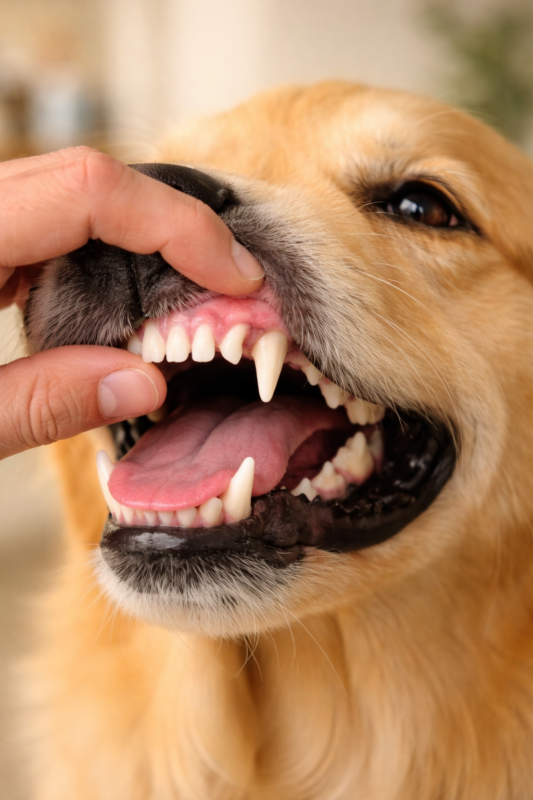
Gum Color: Healthy gums are a vibrant bubblegum pink. Pale, white, or blue gums are life-threatening indicators.
Abdominal Palpation: Carefully feel the belly. Is it tense, tucked up, or bloated? A dog that won’t let you touch its stomach is communicating significant internal pain.
Real-World Case Study: The “Lethargic” Labrador
Consider “Cooper,” a 5-year-old Labrador whose owner noticed he was unusually quiet one evening. Instead of waiting until morning, the owner used a dog symptom checker and found:
Temperature: 102.1°F (Normal)
Gum Color: Pale pink (Concerning)
CRT: 3.5 seconds (Dangerous)
Heart Rate: 140 bpm (High for a resting large breed)
Despite having no obvious external injuries, these specific sick dog symptoms pointed toward an internal crisis. The owner rushed Cooper to the ER, where vets discovered an undiagnosed splenic mass that had begun to leak. Because the owner had objective data, the surgical team was ready the moment Cooper arrived, saving his life.
Step 3: Categorizing the Severity
Once you have collected your data, use this checklist to decide your next move:
Level 1 (Green): Minor symptoms like a single bout of vomiting but otherwise normal vitals. Monitor at home for 12–24 hours.
Level 2 (Yellow): Persistent lethargy, loss of appetite for over 24 hours, or a temperature of 103.5°F. Call your primary vet for an urgent appointment.
Level 3 (Red): Pale gums, labored breathing, or unproductive retching. These are critical sick dog symptoms—proceed to the nearest 24-hour emergency facility immediately.
The Silent Threat: Identifying Vital Signs of Internal Bleeding in Dogs for dog symptom checker
The Danger of Invisible Trauma
Internal hemorrhaging is one of the most deceptive and life-threatening conditions a pet owner can face. Unlike an open wound, signs of internal bleeding in dogs often remain hidden until the body’s compensatory mechanisms begin to fail. Whether caused by a traumatic incident—such as a fall or being struck by a vehicle—or an underlying medical condition like a ruptured splenic tumor, time is the most critical factor in survival. Using a structured dog symptoms checker approach during these moments can help you identify a crisis before it becomes irreversible.
Critical Red Flags: Recognizing the Symptoms
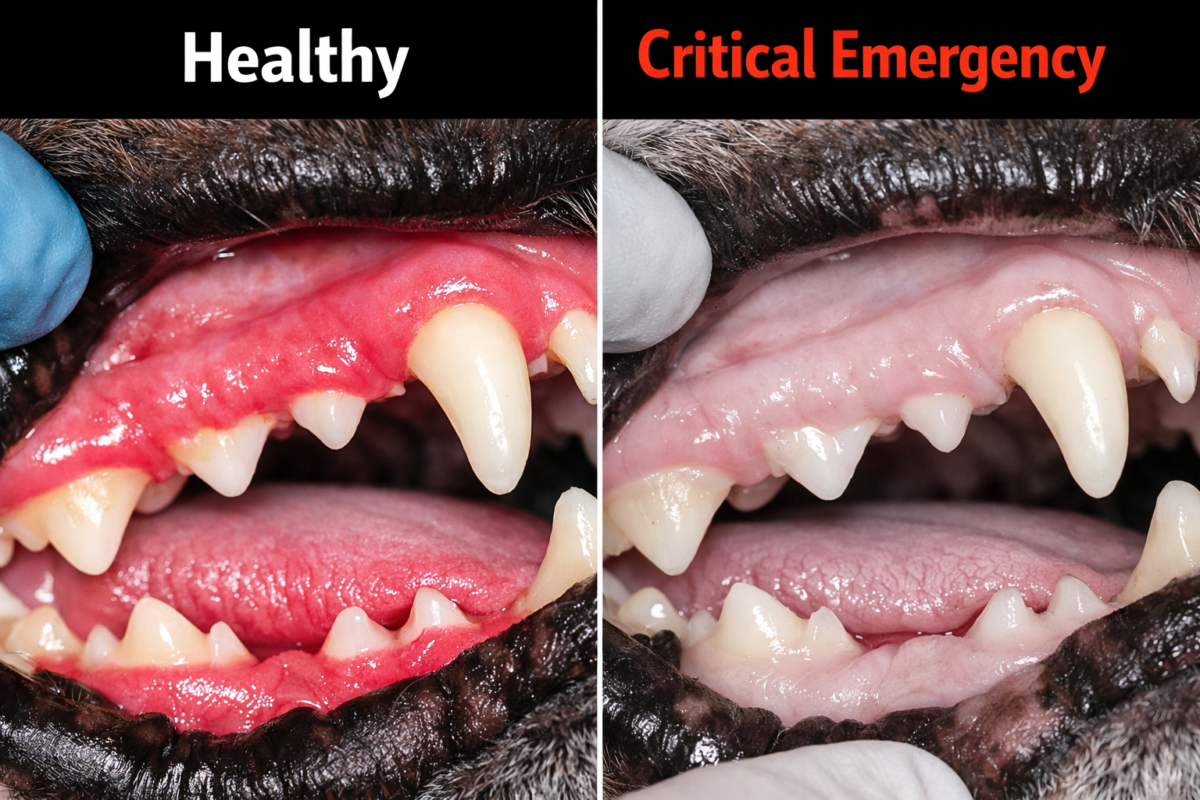
Because you cannot see the blood loss, you must look for the systemic effects of a drop in blood volume. If your dog exhibits a combination of the following, consider it a level-red emergency:
Pale or White Gums: This is the hallmark indicator of internal blood loss. Healthy gums should be bubblegum pink. If they appear ashen, gray, or ghostly white, the body is shunting blood away from the extremities to protect the heart and brain.
Sudden, Profound Weakness: A dog that was fine an hour ago but now cannot stand or lift its head is likely experiencing a “bleed”. This often presents as a sudden “collapse” that may improve slightly and then worsen again.
Abdominal Distension: If the belly appears bloated or feels “doughy” and firm to the touch, it may be filling with fluid.
Rapid, Shallow Breathing: Known as tachypnea, this occurs as the lungs work harder to oxygenate the decreasing volume of blood. You may see the chest moving quickly but with very little depth.
Cool Extremities: Feel your dog’s paws and ears. If they feel significantly colder than the rest of the body, it is a sign of poor peripheral circulation and early shock.
The “Silent Bleed” Case Study: Max’s Story
Max, a 9-year-old Golden Retriever, appeared perfectly healthy until his owner noticed he was reluctant to jump onto the sofa. The owner used a dog symptom checker approach and recorded the following:
Heart Rate: 155 bpm (resting)
Gum Color: Very pale pink
CRT: 4 seconds
Behavior: Max was shivering despite the warm room
Max’s owner didn’t wait for him to stop eating; they went straight to the ER. It was discovered that Max had a ruptured Hemangiosarcoma—a common tumor in Goldens that bleeds into the abdomen. Because they caught the signs of internal bleeding in dogs early, Max underwent emergency surgery and survived a condition that has a nearly 90% mortality rate if left until the dog collapses.
Severe internal bleeding is often accompanied by intense internal discomfort. While it is absolutely essential to avoid self-medication in this situation, understanding the differences in daily pain relief is very important. Please read our article on [Safe Pain Relief & Medications for Dogs] to learn about medications commonly used by veterinarians.
Post-Trauma: The 48-Hour Danger Zone
It is a common mistake to assume a dog is “fine” because they walked away from a bump or a fall. Internal organs, particularly the liver and spleen, can develop slow-leaking lacerations that don’t cause a collapse for several hours or even days.
Monitor Vitals Hourly: For at least 24 hours after any impact, check gum color and heart rate every 60 minutes.
Watch for Lethargy: A dog that is unusually sleepy or “quiet” after an accident should be evaluated by a professional.
Check for Bruising: Look at the skin on the belly; purple or red mottling can indicate blood pooling under the surface.
Immediate Action Steps
If you suspect your dog is bleeding internally, follow these protocols while en route to the vet:
Keep Them Flat: Lay the dog on their side to help maintain blood flow to the brain.
Maintain Warmth: Use a blanket to prevent hypothermia, which often accompanies shock.
Minimize Movement: Do not let the dog walk; carry them to the vehicle to prevent a spike in heart rate that could accelerate the bleed.
Is Excessive Drooling in Dogs an Emergency? Decoding Acute Signs for dog symptom checker
When Saliva Signals a Crisis
Every dog owner is familiar with the occasional “puddle” after a drink or while waiting for a treat, but sudden, uncontrolled hypersalivation (ptyalism) is often a cry for help. If you find yourself asking, “is excessive drooling in dogs an emergency?” the answer depends heavily on the accompanying behaviors. While sometimes it is a simple case of motion sickness, in other scenarios, it is the first visible sign of a life-threatening blockage or toxic ingestion.
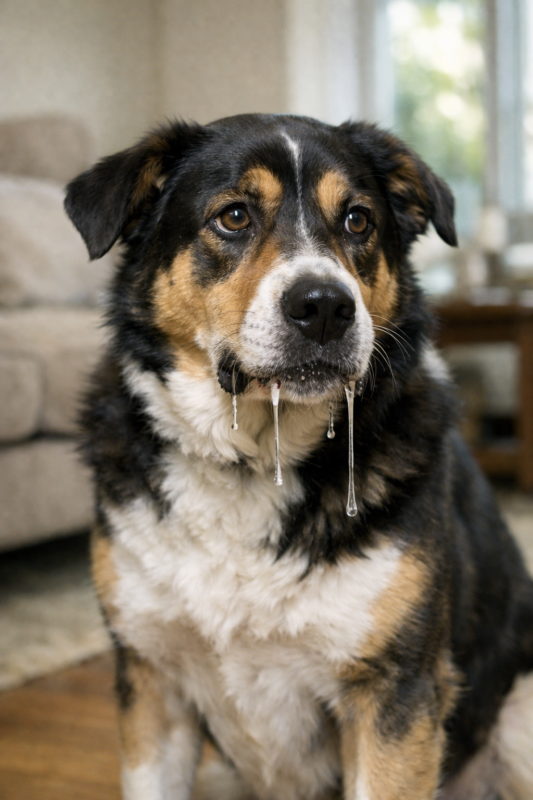
Triage: Drooling as a Red Flag
Using your dog symptom checker protocol, observe if the drooling is paired with any of the following critical indicators:
Unproductive Retching: This is the most dangerous combination. If your dog is drooling heavily and trying to vomit but nothing comes up, this is a hallmark sign of GDV (Gastric Dilatation-Volvulus) or “Bloat”. This is a surgical emergency where every minute counts.
Pawing at the Mouth: If the drooling is sudden and the dog is distressed, they may have a foreign object—like a splinter, bone fragment, or foxtail—lodged in their throat or between their teeth.
Foaming or Oral Discoloration: If the saliva is foamy or if you notice the tongue turning blue or dark red, the dog may have ingested a caustic toxin or be experiencing severe respiratory distress in dogs.
Neurological Changes: Drooling combined with a “dazed” look, tremors, or dilated pupils often points to the ingestion of poisonous plants, human medications, or household chemicals.
Case Study: The “Harmless” Backyard Encounter
A 2-year-old Boxer named “Daisy” began drooling so profusely that it soaked her chest within minutes. Her owner used a dog symptoms checker and noticed Daisy was also shaking her head and pawing at her face. There was no vomiting, but her heart rate was elevated to 150 bpm. Upon arrival at the ER, the vet found a large piece of a chew toy wedged across the roof of her mouth, causing intense pain and a reflex drool response. Because the owner recognized that this level of drooling was an emergency, Daisy avoided a potential choking hazard and severe oral trauma.
Acute drooling is often a sign of high stress and significant discomfort. While it’s critical to never administer medication for suspected toxin ingestion without veterinary guidance, understanding general comfort care can help with at-home awareness. For professional advice, please refer to our guide: [Safe Pain Relief & Medications for Dogs].
How to React in Real-Time
If your dog’s drooling seems excessive, follow this quick checklist to determine your next move:
Check the Environment: Are there chewed-up plants, open cleaning supplies, or missing toy parts?
Inspect the Mouth (Safely): If your dog is calm, gently lift the lips. Do not reach down the throat if they are choking, as you may push the object further down.
Monitor Breathing: Is the drooling accompanied by gasping or a loud, raspy sound? If so, proceed to the ER immediately.
Summary: Is it an Emergency?
If the drooling starts suddenly, persists for more than 20 minutes, or is accompanied by retching, lethargy, or a change in gum color, it is an emergency. It is always better to have a vet tell you it’s “just nausea” than to ignore a sign of internal distress.
FAQ: Common Questions About Sick Dog Symptoms for dog symptom checker
- What are the most common sick dog symptoms I should never ignore?
- Seek help for persistent lethargy, loss of appetite over 24 hours, or dog breathing heavy.
- How do I know if my dog’s pain is a true emergency?
- Vocalization, inability to walk, or signs of shock are emergencies. For non-emergency pain, see our [Safe Pain Relief & Medications for Dogs].
- Can a dog symptom checker identify internal issues?
- It can identify physical markers like signs of internal bleeding in dogs, but a vet is needed for a definitive diagnosis.
- What are the specific warning signs after dog neutering?
- Monitor for excessive swelling, discharge, or persistent vomiting.
Dog symptom checker: Key Terminology & References
To provide our readers with accurate scientific context, the following professional terms are linked directly to their respective entries in the Wikipedia Encyclopedia.
—————————————-
Veterinary Medicine
Vital Signs
Symptoms
Anatomy
Breeds
For more information, read our guide on Why Dogs Hide Behind Their Owners in New Environments.
Conclusion
Taking proactive steps to address your dog’s health and behavior concerns is the best way to ensure they live a happy, comfortable life. By staying informed and working closely with your veterinarian when needed, you can provide the care your furry companion deserves. Remember that early intervention often leads to better outcomes and can prevent minor issues from developing into more serious conditions.