
Quick Navigation
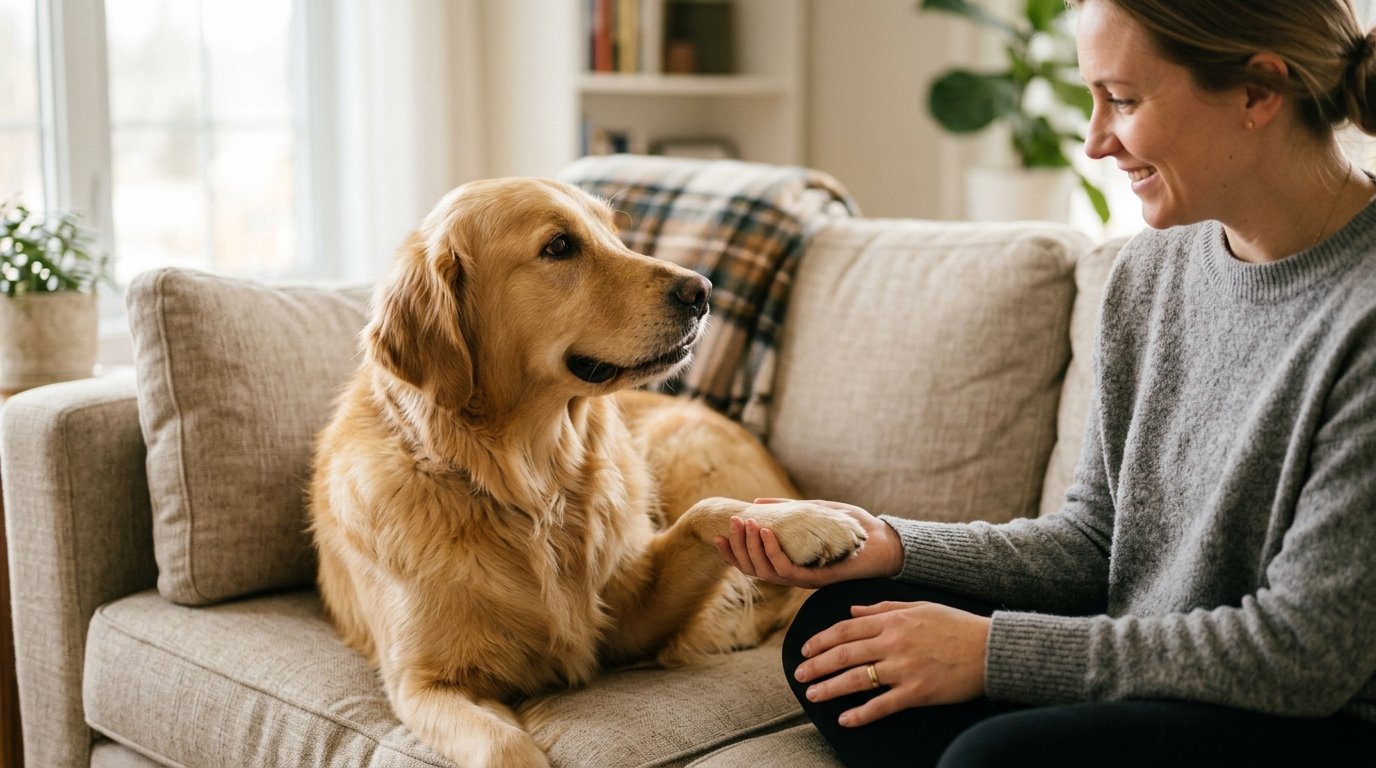
Picture this: You’re finally sinking into the couch with a cold drink after a long day at work, and suddenly—thump—a heavy, furry mountain of a paw lands right on your knee. It’s cute for a second, but then the staring and the insistent dog pawing at you starts, and you’re left wondering if they need a bathroom break, a snack, or just a heavy dose of attention. Honestly, when Biscuit first started doing this during my Zoom calls, I was just as clueless as anyone else!
Here’s the thing: that paw isn’t just a random limb; it’s your pup’s way of sending a text message without a phone. In this guide, we’ll dive into the hidden “paw language” I’ve decoded from my years as a vet assistant and a full-time dog mom. You’ll find out exactly what your dog is trying to tell you—whether it’s a plea for help, a sign of anxiety, or just a massive “I love you.” By the end of this, you’ll know exactly how to respond next time that paw hits your lap so you can both stay happy and stress-free.
1.The “Hand-Hold” of the Canine World: Understanding Dog Pawing at You
Have you ever been sitting on your porch, enjoying a quiet Texas sunset, when suddenly a heavy, furry paw lands squarely on your knee? If you’re like me and have a Golden Retriever like Biscuit, dog pawing at you is probably a daily occurrence.
At its heart, pawing is one of the most direct ways our dogs try to “talk” to us without making a sound. Think of your dog’s paw like a smartphone notification—it’s a vibrating alert that they have a message waiting for your response.
Basically, pawing is a tactile communication tool—a way for dogs to use physical touch to get your attention or convey an emotion. It’s kind of like when your best friend taps you on the shoulder because they have a secret to tell you. For you and your pet, this means that every time those claws click against your skin, your dog is trying to initiate a conversation.
Why This “Touchy” Behavior Matters
You might wonder why they don’t just bark or nudge you with their nose. In the veterinary world, we often talk about oxytocin—basically the “cuddle hormone” that helps mammals bond. I remember a study from 2015 that showed when dogs and humans interact through touch, oxytocin levels in both species can rise significantly.
This means for you and your pet, a simple paw on the arm isn’t just a request for a treat; it’s a biological way to strengthen your friendship. I saw this all the time back at the animal clinic in Austin. Nervous pups would often reach out to “hold hands” with their owners during an exam. It’s their version of a security blanket.
《Dog Behavior Meaning: The Ultimate Guide to Decoding Canine Language》
How to Decode and Respond to the Paw
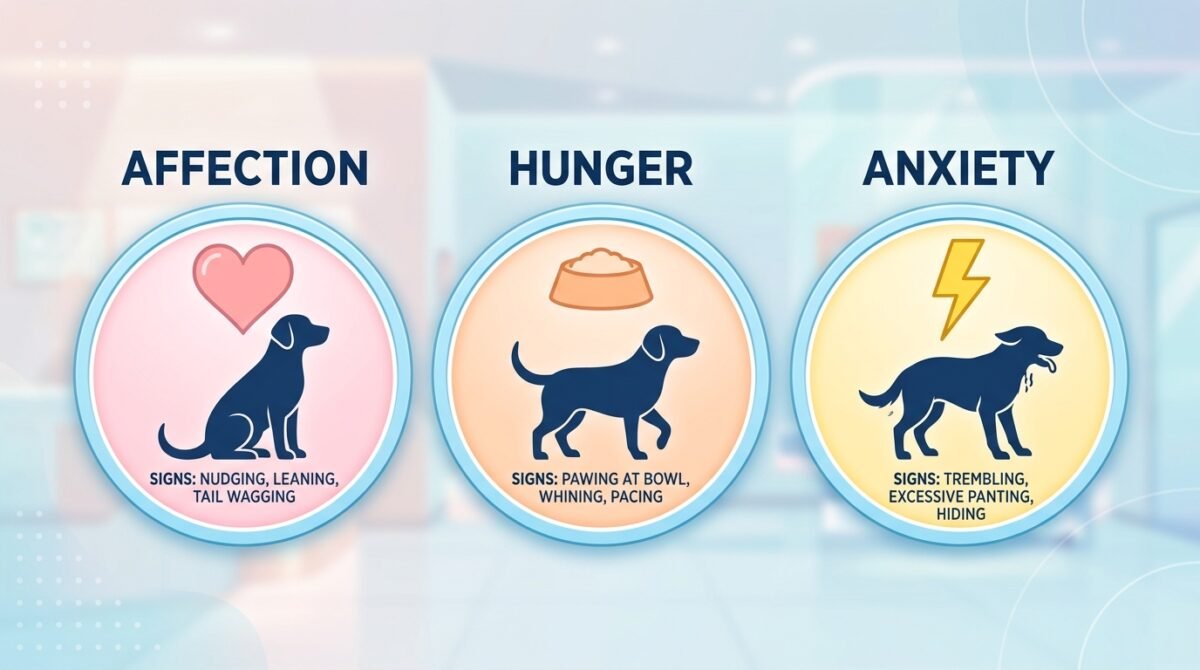
Not every paw is a “I love you” note. Sometimes, Biscuit paws at me because he’s convinced his dinner is ten minutes late. To help you figure out what your dog is saying right now, follow these simple steps:
Check the “Vibe”: Look at the rest of their body. Is the tail wagging loosely, or is it tucked? A loose body means they want affection; a stiff body might mean they are anxious.
The “Time of Day” Test: If it’s 5:00 PM and they are dog pawing at you, they are likely just checking their internal food clock.
Offer a “Job”: If the pawing is getting too pushy, give them something to do. I like to ask Biscuit to “sit” or “go to your bed” before I give him the attention he’s asking for.
Honestly, I made the mistake of rewarding every single paw with a treat when Biscuit was a puppy. You’re not a bad owner if you’ve done the same! But teaching them that they get pets for sitting calmly rather than scratching your legs makes life much easier.
《Dog Skin Allergies: The Ultimate Guide to Treatment, Home Remedies & Diet》
By paying attention to the context of the dog pawing at you, you’ll stop guessing and start truly listening to what your furry best friend needs.
2. When Pawing Is a Silent Plea: Pain, Itch, and Anxiety for dog
While a paw on your knee usually means “I love you” or “Give me that bacon,” sometimes dog pawing at you is a desperate attempt to say, “Mom, I don’t feel right.” Since our pups can’t fill out a medical form, they use their paws to grab our attention when something is buzzing, stinging, or aching inside.
Think of this type of pawing like a flare gun being fired from a stranded boat. The dog isn’t just waving hello; they are signaling for a rescue because they’re stuck in a situation they can’t handle alone. In my years at the clinic, I’ve learned that the “vibe” of a medical pawing is very different—it feels more frantic, persistent, and “heavy” than a normal request for pets.
The “Allergy Scratch”: Identifying itch and hotspots
If you notice your dog pawing at you and then immediately turning around to lick or chew their own paws, you’re likely looking at an allergy flare-up. In Austin, we have so much pollen and cedar that “itchy paws” are basically a seasonal tradition for local dogs.
《Dog Skin Allergies: The Ultimate Guide to Treatment, Home Remedies & Diet》
The “Pain Face”: Recognizing subtle medical cries for help
One of the most heart-breaking things I saw at the animal hospital was a dog named Bear who wouldn’t stop pawing at his owner’s chest. It looked like he was begging for cuddles, but when we examined him, we found he had a painful cracked tooth.
This is what we call “referred pain”—basically, the dog feels discomfort in one place but uses their paw to signal general distress to their “safe person” (that’s you!). For you and your pet, this means if the pawing is accompanied by a “tight” expression around the eyes or a tucked tail, it’s time to play detective.
Watch out for these “Red Flag” signs alongside pawing:
Whimpering or panting even when it’s cool in the house.
Tense stomach muscles (feels like a hard board when you touch them).
Persistent pawing at their own ears or face (often means an ear infection or dental pain).
《Dog Symptom Checker: The Ultimate Emergency Health Checklist》
Compulsive Pawing: When stress becomes a habit
Sometimes, dog pawing at you can turn into a compulsive behavior—essentially a “nervous tic” that dogs develop when they are chronically anxious.
It’s kind of like how some people bite their nails when they’re stressed out. If your dog paws at you every time the mailman walks by or when you pick up your car keys, they are using the physical contact to “ground” themselves. I remember a rescue pup in our neighborhood who pawed so much his owner’s legs were covered in scratches. It wasn’t about being “bad”; he was just living in a constant state of “high alert.”
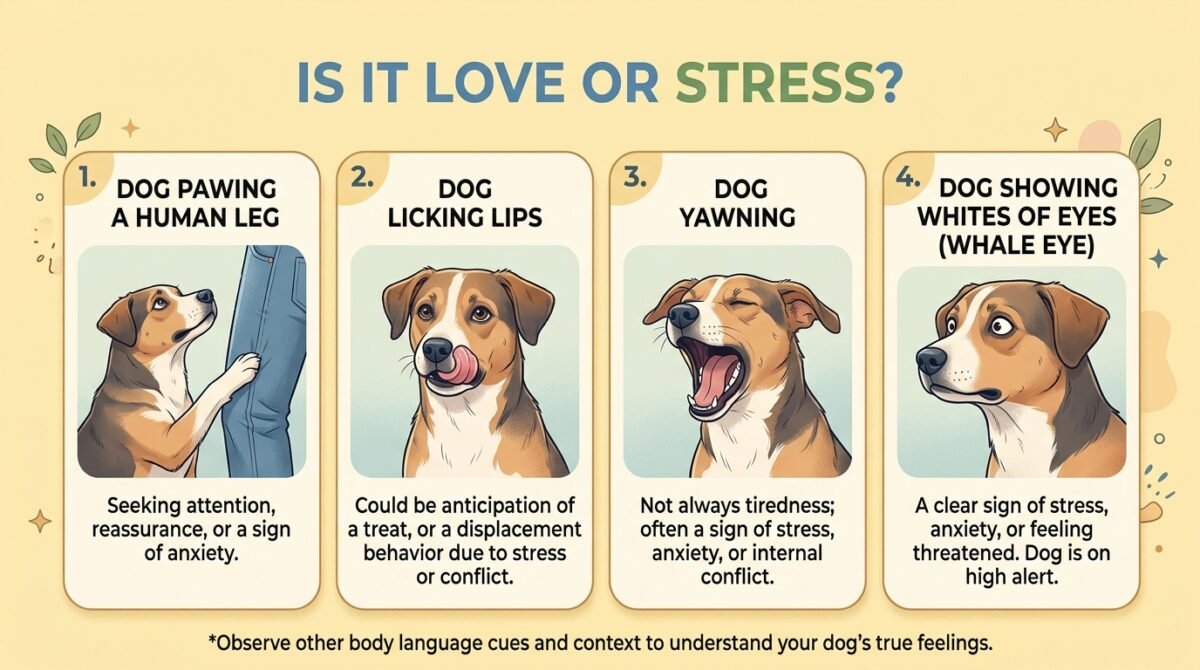
Honestly, I’ve seen so many owners get frustrated and push their dogs away when this happens. But remember: you’re their rock. Instead of getting annoyed, try to find the source of their stress. Are they getting enough exercise? Is the house too loud? Addressing the “Why” will stop the pawing much faster than a “No!” ever will.
3.How to Manage and Redirect Excessive Dog Pawing at You
We’ve all been there—you’re trying to focus on a laptop screen, and a persistent dog pawing at you starts scratching your leg like they’re digging for gold. Honestly, I used to let Biscuit do this all the time because I felt guilty, but then I realized I was just training him to be a “professional nudger.”
To manage this, we need to understand Operant Conditioning. Basically, this is the idea that animals repeat behaviors that get rewarded. Think of your attention like a giant “YES” button on a game show. If your dog paws you and you immediately pet them or give them a snack, you’ve just pressed the button. For you and your pet, this means the first step in stopping the pawing is to stop the accidental rewards.
The “Ignore to Reward” Technique: Breaking the cycle
The most effective tool in your training kit is actually your own silence. If your dog pawing at you is purely for attention, you need to become as boring as a statue.
It’s kind of like when you’re dealing with a vending machine that ate your dollar—if you keep pressing the button and nothing happens, eventually you’ll stop pressing it. When the paw hits your leg, don’t look at them, don’t say “No,” and definitely don’t push them away (to a dog, even a push can feel like play). Just wait. The second that paw hits the floor and they sit quietly, that’s when you shower them with love.
I remember a client at the clinic whose Labrador, Duke, would paw so hard he’d leave bruises. Once she started the “Total Silence” method, it only took about 10 days for Duke to realize that sitting politely was the new “YES” button.
Teaching an Alternative: Swapping the paw for a “Sit” or “Down”
Instead of just telling them “Stop,” it’s much easier to tell them “Do this instead.” We call this Response Substitution—basically replacing a bad habit with a good one.
Imagine you’re trying to quit snacking on chips; it’s much easier if you have a bowl of crunchy carrots ready to go. The next time you anticipate the dog pawing at you, ask them for a “Sit” or a “Down” before the paw makes contact.
Anticipate: Watch for that “pre-paw” stare.
Redirect: Firmly say “Sit.”
Reward: The moment their butt hits the grass or floor, give them the attention they crave.
《Dog Behavior Meaning: The Ultimate Guide to Decoding Canine Language》
Paw Care 101: Is it a behavior issue or just a grooming fail?
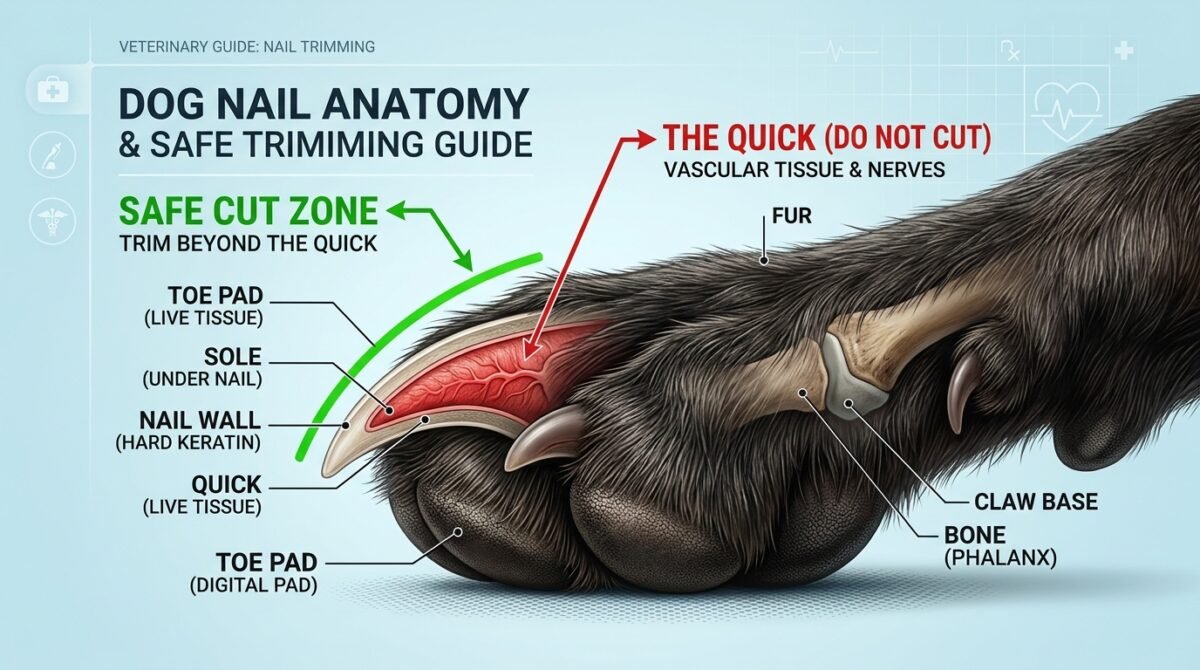
Sometimes, the reason dog pawing at you feels so annoying is simply that their nails are too long! If those talons are clicking on the hardwood, they’re going to hurt when they hit your skin.
Think of long nails like wearing a pair of shoes that are two sizes too small—it makes every step uncomfortable and leaves the dog feeling irritable. I recommend the “Credit Card Test”: if you can’t slide a credit card under their nails while they are standing, they are too long. Keeping them trimmed (or using a dremel) reduces the impact and makes those “love taps” much gentler.
《Dog Symptom Checker: The Ultimate Emergency Health Checklist》
4.FAQ: Paws, Claws, and Quirky Questions for dog
Sometimes, the dog pawing at you behavior isn’t happening during a calm snuggle; it’s happening in the middle of a belly rub or right after they’ve finished their “business” in the backyard. Here are the top three questions I get from my readers (and my neighbors at the dog park!).
Think of these answers as the “frequently dialed numbers” in your dog’s contact list. Every weird little movement has a reason, even if it feels like your pup is just being a goofy Austin local.
Why does my dog paw at the air when I scratch their belly?
We’ve all seen it—you hit that “magic spot” on their tummy, and their back leg starts revving like a Harley-Davidson. This is actually a Scratch Reflex.
Basically, it’s an involuntary response triggered by nerves under the skin—kind of like when the doctor taps your knee with that little rubber hammer and your leg kicks out. Their brain thinks there’s a flea or an irritant, so it tells the leg to “kick it off,” even though you’re just giving them the best scritches of their life. For you and your pet, this means you’ve officially found their favorite spot!
Is it okay to paw back at my dog?
Honestly, I get this one a lot! If you have a rock-solid bond with your dog, a gentle “paw back” can be a form of Mimicry Play.
It’s like when you mirror a friend’s body language during a good conversation—it shows you’re “in sync” and engaged. However, be careful! If your dog is already a bit pushy or has a high prey drive (basically their natural instinct to chase and grab), pawing back might over-stimulate them and lead to accidental nipping.
Emily’s Rule: If their ears are forward and they’re “play bowing,” go for it. If they look stiff or growl, keep your hands to yourself.
Why does my dog paw the ground after pooping?
If you’ve ever seen Biscuit finish his business and then kick up grass like he’s trying to win a soccer match, you’ve witnessed Scent Marking.
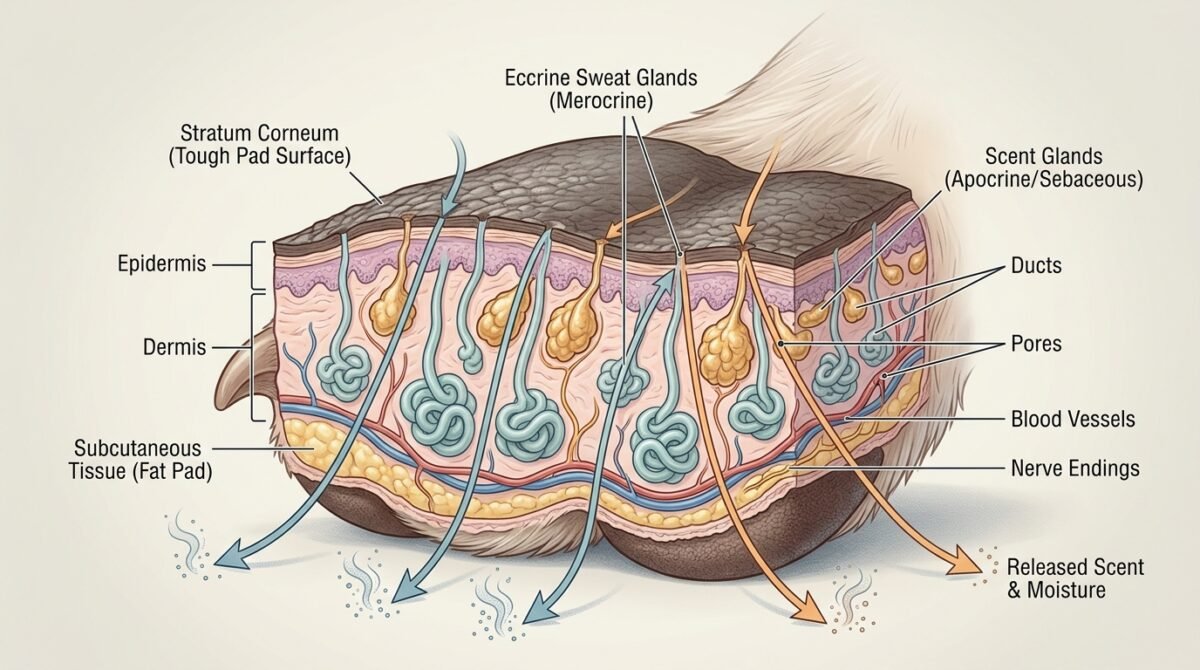
Think of this like your dog leaving a digital “check-in” on social media. Dogs have scent glands in their paws that release pheromones—essentially chemical ID cards that tell other dogs who was there and how they’re feeling. By pawing the ground, they are literally “signing their work” and spreading their scent further. It’s not about being messy; it’s about being a local celebrity in the neighborhood scent-scape!
《Dog Symptom Checker: The Ultimate Emergency Health Checklist》
Conclusion: Listening to the Language of the Paw
So, the next time you feel a furry weight land on your lap, remember: that dog pawing at you isn’t just a random movement. It’s a bridge between your world and theirs. Whether it’s Biscuit asking for a spare piece of my breakfast taco or a pup at the shelter telling me they finally feel safe, eye contact and physical touch are the “WiFi signals” of the canine world.
Think of your relationship with your dog like a long-distance radio signal. Sometimes there’s a bit of static (like when they paw at you for no reason), but most of the time, if you tune in carefully, the message is crystal clear. Monitoring how and when they use their paws is one of the best ways to “fine-tune” that connection.
Emily’s Final Take: Trust Your Gut and the “Vibe”
Honestly, after years at the clinic and even more years as a dog mom, I’ve learned that you are the world’s leading expert on your dog. You know their “I’m hungry” look versus their “I’m scared” look better than any textbook ever could.
The most important thing you can offer when you experience dog pawing at you is your presence. Most of the time, they just want to know you’re there. Just keep an eye out for those medical red flags we discussed, and keep those nails trimmed! It’s not about being a perfect trainer; it’s about being a partner who actually listens.
Your “Paw-sitive” Action List: Next Steps for a Happy Pup
Ready to turn that annoying scratching into a better bond? Here is your 3-step game plan for the next 48 hours:
- The “Context Journal”: Every time the dog pawing at you starts, look at the clock. Is it within an hour of mealtime? Did you just get home? Noticing the patterns will solve 90% of the mystery.
- The Health Check: Once a week, do a “paw-to-tail” scan. Check for long nails, redness between the toes, or any sensitivity. Catching a small itch now prevents a big vet bill later.
- Redirect the Energy: Practice the “Sit for Pets” rule. Only give attention when all four paws are on the floor. It’s the fastest way to save your jeans and your sanity!
If you’re ever unsure if a behavior is “just a dog being a dog” or a sign of something deeper, don’t hesitate to check out our full behavior guide. 【Dog Behavior Meaning: The Ultimate Guide to Decoding Canine Language】
Key Terminology & References
To provide our readers with accurate scientific context, the following professional terms are linked directly to their respective entries in the Wikipedia Encyclopedia.
—————————————-
Canine Communication
Veterinary Concepts
Dog Needs & Emotions
Dog Training & Interaction
For more information, read our guide on Why Is My Dog Staring at Me? Understanding Eye Contact.
Conclusion
Understanding your dog’s behavior is key to building a strong, trusting relationship with your canine companion. Every wag, bark, and posture carries meaning, and by learning to read these signals, you can respond more effectively to your dog’s needs. This deeper connection not only enhances your bond but also helps prevent behavioral issues before they develop.