
html {
scroll-behavior: smooth;
}
.toc {
background-color: #f9f9f9;
border-left: 4px solid #e74c3c;
box-shadow: 0 4px 8px rgba(0, 0, 0, 0.1);
border-radius: 8px;
padding: 16px;
margin: 20px 0;
min-width: 250px;
max-width: 100%;
box-sizing: border-box;
}
.toc a {
display: block;
font-size: 20px;
line-height: 1.7;
text-decoration: none;
color: #333;
margin-bottom: 8px;
transition: color 0.3s ease;
}
.toc a:hover {
color: #e74c3c;
}
2.The Cool Down: How to Calm a Panting Dog in the Heat
3.The Zen Zone: Calming an Anxious Dog Panting
4.The “Red Flags”: When Panting is a Medical Emergency
5.FAQ: Quick Solutions for Heavy Breathers
6.Conclusion: You Are Their Safe Space
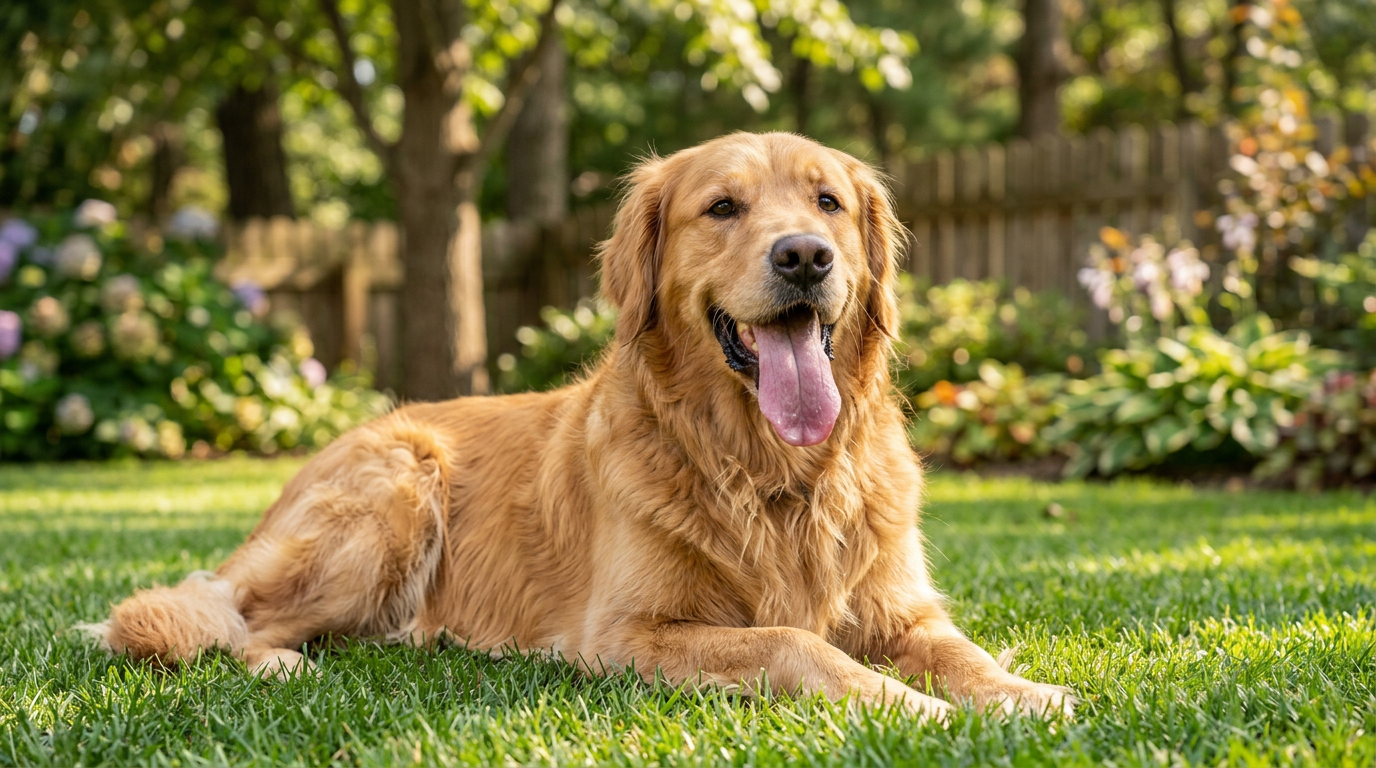
Your dog is huffing so loud it sounds like a freight train is passing through your living room, and honestly, it’s enough to make any pet parent’s heart race. I remember when Biscuit first spent a summer afternoon in our Austin backyard—I looked at him and thought, “Is he okay, or is he about to overheat?”
- 1. 1. The “AC System” Analogy: Why is My Dog Panting So Much?
- 2. 2. The Cool Down: How to Calm a Panting Dog in the Heat
- 3. 3. The Zen Zone: Calming an Anxious Dog Panting
- 4. 4. The “Red Flags”: When Panting is a Medical Emergency
- 5. 5. FAQ: Quick Solutions for Heavy Breathers
- 6. 6. Conclusion: You Are Their Safe Space
- 7. Key Terminology & References
If you’re desperately searching for how to calm a panting dog, you’re probably in that exact moment of worry right now. Real talk: it’s scary not knowing if they’re just cooling off or sending a frantic SOS.
We’re going to cover everything from simple cooling hacks to soothing anxiety triggers and, most importantly, identifying the medical red flags you can’t ignore. By the end of this, you’ll know exactly what to do next time that heavy breathing starts so you can both finally relax. You’ve got this, and I’m right here to walk you through it.
1. The “AC System” Analogy: Why is My Dog Panting So Much? A Guide to how to calm a for how to calm
When I was a veterinary assistant, owners would often rush in with a dog that wouldn’t stop huffing. Their first question was always, “Is he broken?” Honestly, I get it. The sight of a wide-open mouth and a dripping tongue can be startling. But most of the time, what you’re seeing is just your dog’s body doing exactly what it was designed to do.
What exactly is Thermoregulation?
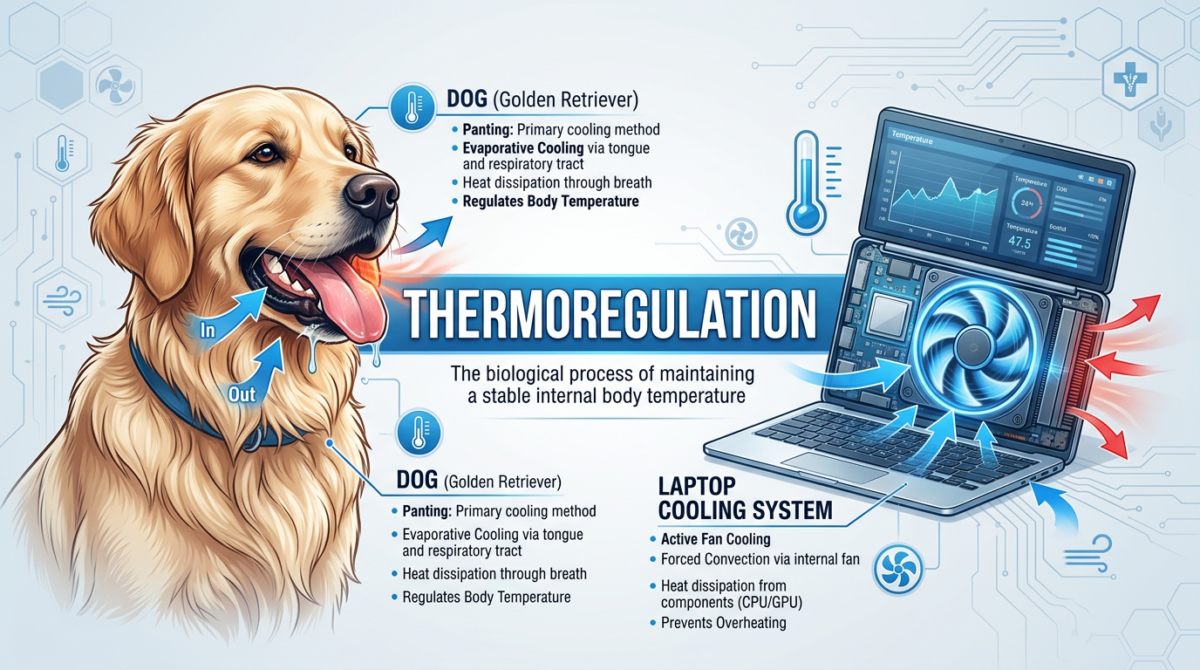
To understand why your pup is breathing like they just ran a marathon, we have to talk about Thermoregulation.
Basically, thermoregulation is the body’s way of keeping its internal temperature in a safe, steady range. Think of it like the cooling fan in your laptop. When you’re just scrolling through social media, the fan is quiet. But as soon as you start running a heavy program or a high-def video, that fan starts spinning at top speed to keep the processor from melting.
What this means for you and your pet is that panting isn’t a “glitch”—it’s the fan turning on. Since dogs don’t have sweat glands all over their bodies like we do (they only have a few in their paw pads), they have to use evaporation from their tongue, mouth, and lungs to dump heat.
Why the “Check Engine” Light Matters
In my classes at Texas A&M, we learned that a dog’s normal temperature sits between 101°F and 102.5°F. That is already much warmer than us! Because they start at a higher “baseline,” they have a much smaller window for error before things get dangerous.
I remember a chocolate Lab named Cooper who came into our clinic on a particularly humid Saturday. His owner had only taken him for a 15-minute walk, but Cooper was panting so much he could barely stand. When we checked his temperature, he was at 104°F.
This is what it actually means for you: once that internal temperature hits 104°F, the “fan” is officially failing to keep up. At this point, the panting changes from a normal cooling behavior to a frantic SOS.
《Decoding the ‘why’ behind the woof》
How to Distinguish “Good” Panting from “Bad” Panting
Not all panting is created equal. To help you figure out if you should grab a cool towel or grab your car keys, I want you to look for these three things. Think of this as your “Doggy Dashboard” check.
The Tongue Shape: A “cooling pant” usually involves a long, wide tongue hanging out. A “stress pant” or “pain pant” often looks more like a spatula—the end of the tongue is flared and tense.
The Sound: Normal cooling is rhythmic. If the sound becomes raspy, whistling, or sounds like a “roar,” that is a red flag. It means the airway is struggling.
The Eyes: Look for the “whale eye”—where you see the whites of their eyes. If they are panting and showing the whites of their eyes, they aren’t just hot; they are likely in pain or terrified.
《Is it pain or behavior? Use the checklist》
Emily’s “3-Step Cooling Assessment”
If Biscuit comes in from the yard and starts huffing, I don’t panic immediately. Instead, I follow this routine that I used to teach every new pet parent at the clinic. It is simple, effective, and gives you an answer in minutes.
The Pulse Check: Place your hand on their chest behind their left elbow. If their heart is racing like a drumroll and doesn’t slow down after 5 minutes of rest, they are over-stressed.
The Gum Color Check: Lift their lip. They should be a healthy bubblegum pink. If they are bright red, purple, or pale, that is a dog panting emergency sign.
The 10-Minute AC Rule: Bring them into a room with air conditioning and a fan. If their breathing hasn’t significantly slowed down in 10 minutes, their thermoregulation isn’t working on its own.
Real talk: 90% of the time, a quiet room and a bowl of fresh water will do the trick. But for that other 10%, knowing these signs is what makes you a great “Pack Leader.”
By understanding that panting is just their internal “AC fan” trying to keep the “processor” cool, you can stop worrying about the noise and start focusing on the solution. In the next section, we’re going to talk about exactly how to cool down a dog fast when that fan needs a little extra help.
【多媒体建议】
2. The Cool Down: How to Calm a Panting Dog in the Heat
Honestly, I see this at Zilker Park every single weekend. A well-meaning owner sees their dog huffing in the sun and immediately dumps a bucket of ice water over their back. My heart stops every time I see it. It looks like the right thing to do, but as we used to say back at the clinic, “Nature doesn’t like shortcuts.”
The “Shattered Windshield” Warning
The biggest danger when trying to how to calm a panting dog in the heat is a phenomenon called vasoconstriction.
Basically, vasoconstriction is when the blood vessels suddenly slam their doors shut in response to extreme cold. Think of your dog’s body like a car windshield on a freezing Austin morning. If you pour boiling water on a frozen windshield—or ice water on a scorching hot dog—the “glass” shatters.
In your dog’s case, the “shattering” happens inside. When you use ice-cold water, the surface blood vessels shrink instantly. What this means for you and your pet is that the heat gets trapped deep inside their core organs. The outside of the dog feels cool to your touch, but their heart and kidneys are still literally cooking. It’s like locking the doors of a burning house with the family still inside.
Why the “Radiators” Matter Most
When I was at Texas A&M, we talked about where dogs actually lose their heat. They don’t lose much through their backs because of all that fur. Think of their fur like a thick winter coat. Pouring water on the back is like pouring water on a raincoat—it doesn’t do much for the person underneath.
Instead, we need to target their “radiators.” Dogs have thinner fur and more blood vessels near the surface on their bellies, armpits, and paw pads.
I remember a Bernese Mountain Dog named Bear who came into the clinic after a hike at Barton Creek. He was panting so hard his chest was heaving. His owners had been soaking his back, but he wasn’t getting better. We flipped him over and applied cool (not ice!) water to his belly and paws. Within 10 minutes, his “freight train” breathing slowed down to a normal rhythm.
《Emergency warning checklist for assessing the severity of heatstroke.》
Emily’s 3-Step “Safe & Fast” Cooling Protocol
If you’re wondering how to cool down a dog fast without causing a shock to their system, follow this “Goldilocks” method. Not too hot, not too cold—just right.
Seek the “Green Zone”: Get them out of the sun immediately. Find a porch with a fan or an air-conditioned room. Shade alone can drop the surrounding temperature by 10-15 degrees.
The “Luke-Cool” Soak: Use room-temperature or slightly cool water. Focus entirely on the underside of the body. Soak a towel and lay it on the floor for them to lie on, rather than draping it over their back. Draping a wet towel over their fur actually acts like a greenhouse, trapping the steam against their skin.
The “Concert Mist” Effect: Position your dog directly in front of a fan while they are wet. This creates evaporative cooling. It’s like standing in front of those misting fans at an outdoor concert. As the air moves over the water on their skin, it carries the heat away into the air.
Hydration: Small Sips, Big Difference
While you’re cooling the outside, we need to help the inside. But real talk: don’t force them to drink.
Think of their throat like a narrow hallway. If they are panting frantically, they are struggling to move air. If you force water down their throat, it can easily go down the “wrong pipe” into their lungs. Instead, offer a bowl of cool water and let them lap it up at their own pace. If they are too tired to lap, try wiping their tongue with a wet cloth.
《Interpreting stress signals behind dog panting.》
What this means for you: if their tongue starts turning a dark brick-red or purple, stop what you’re doing and get to the vet. This is the “Point of No Return” for home care.
By using the “AC System” logic and avoiding the ice-water trap, you can bring that “freight train” breathing to a halt safely. In the next section, we’re going to talk about what to do when the panting isn’t about the heat at all—but about those “invisible monsters” like anxiety and fear.
3. The Zen Zone: Calming an Anxious Dog Panting
Honestly, there is nothing that breaks my heart quite like seeing a 70-pound Golden Retriever try to crawl into a tiny bathtub because of a thunderstorm. When you see your anxious dog panting, they aren’t trying to cool down; their body is literally flooded with adrenaline.
Think of your dog’s brain like a home security system with a short circuit. The system thinks a burglar is breaking in, so it’s sounding every siren (panting) and flashing all the lights (shaking), even though it’s just a little thunder. To learn how to calm a panting dog in this state, we have to turn off the alarm at the source.
The “Biological Reset Button”: Licking and Chewing
One of the coolest things I learned in my behavior courses is that dogs have a built-in “off switch” for stress.
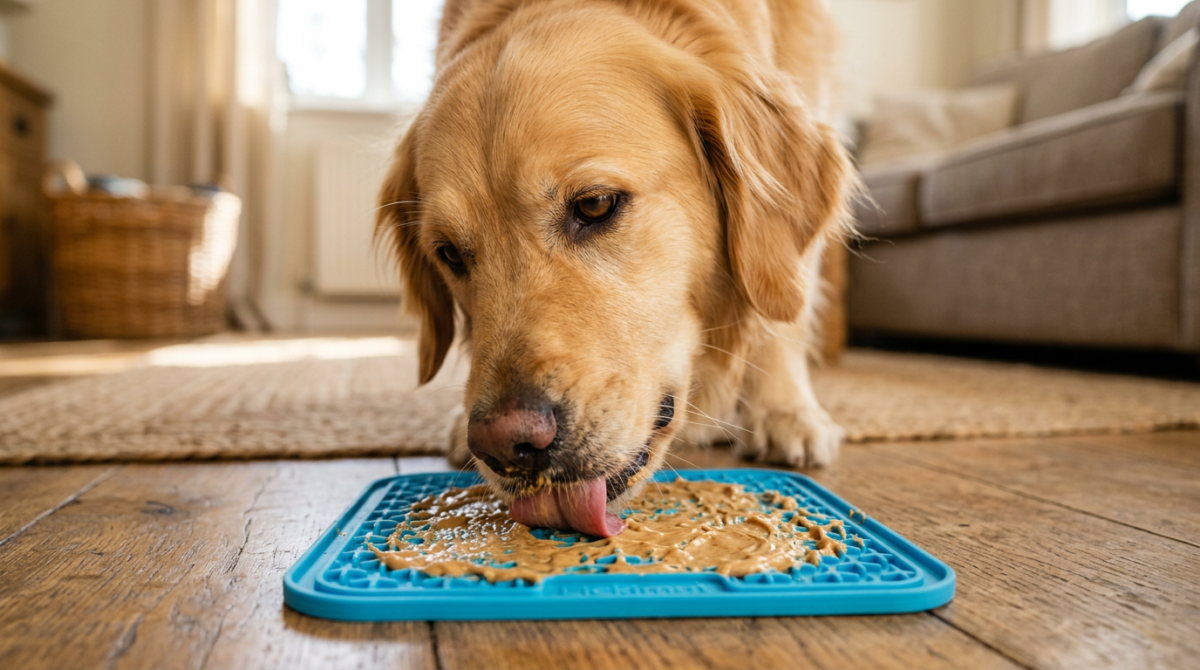
Basically, the act of repetitive licking or chewing triggers the release of endorphins. Think of endorphins like a natural spa day for the brain. They are feel-good hormones that tell the nervous system, “Hey, it’s okay to stand down now.”
What this means for you and your pet is that a simple lick mat can be more effective than a dozen hugs. When Biscuit is panicked, I spread some plain Greek yogurt or peanut butter on a silicone mat. As he licks, his heart rate drops, and that frantic “freight train” breathing slowly turns back into a quiet nap. It’s like giving a stress ball to a human—it gives all that nervous energy a productive place to go.
Creating a “Sensory Shelter”
When the Austin “scary booms” start, you need to provide a “Panic Room.” Dogs in the wild would seek out deep, dark dens to feel safe, and our modern pups are no different.
Think of a Sensory Shelter like a noise-canceling cocoon. * The Setup: A closet or a crate covered with a heavy moving blanket works best.
The Soundscape: Use a white noise machine or even a loud fan. It’s like turning up the radio in your car to drown out a rattling engine. It masks the sharp cracks of thunder that keep the panting cycle going.
The Scent: A t-shirt you’ve worn all day is like a security blanket. Your scent is a powerful signal that “Mom/Dad is here, and we are safe.”
《Understanding the meaning of different stress signals.》
The “Emotional Sponge” Effect
Here is a little “Real Talk” from my time at the vet clinic: dogs are incredible emotional sponges.
If your dog is anxious dog panting and you start running around the house, sighing, or checking the weather radar every two minutes, you are confirming their fears. Think of yourself like a pilot during a flight with turbulence. If the pilot sounds calm over the intercom, the passengers relax. If the pilot sounds like they are panicking, everyone starts looking for the exit.
Stay calm. Speak in a low, steady voice. What this means for you is that your quiet energy is the most powerful “calming med” in the house.
Emily’s “Zen Toolkit” for Panic-Panting
Try a Thundershirt: This is a snug wrap that applies gentle, constant pressure. Think of it like a weighted blanket for the brain. It helps soothe the nervous system by making the dog feel “held.”
The “Jackpot” Distraction: If the storm is just starting, play a game of “find the treats.” We want to change the brain’s wiring from “Boom = Scary” to “Boom = Snack.” This is called counter-conditioning—basically, turning a horror movie into a comedy by changing the soundtrack.
Low-Light Environment: Close the blinds. Flashes of lightning are huge triggers. If they can’t see the “threat,” their body won’t react as strongly.
《Checklist to determine if anxiety is caused by underlying pain.》
Real talk: If your dog is panting so hard they are hurting themselves or trying to jump through windows, it’s time to talk to your vet about “event-based” calming support. There is no shame in using science to help your best friend through a terrifying night.
By focusing on the “Reset Button” and creating a cocoon of safety, you can help that frantic breathing settle down. Next up, we’re going to talk about the “Red Flags”—the moments where panting isn’t about heat or fear, but a sign that it’s time to grab the keys and head to the ER. ��
4. The “Red Flags”: When Panting is a Medical Emergency
Honestly, this is the part of being a pet parent that keeps us up at night. If you’ve moved your pup to a cool room and the “scary booms” have stopped, but they are still huffing like a freight train, it’s time to stop looking for how to calm a panting dog at home and start looking for your car keys.
Think of this kind of panting as a smoke alarm. The alarm itself isn’t the problem; it’s telling you that there is a fire behind the walls where you can’t see it. In the clinic, we saw many “mysterious” panters who were actually dealing with internal emergencies that needed a doctor, not a fan.
The “Weak Water Pump”: Heart and Lung Issues
One of the most common medical reasons for heavy breathing is something called Congestive Heart Failure (CHF).
Basically, CHF is when the heart isn’t strong enough to pump blood efficiently through the body. Think of your dog’s heart like a water pump in a garden fountain. When the pump is new and strong, the water flows perfectly. But if the pump gets weak or clogged, the water starts to back up and spill over.
In a dog, that “spilled” fluid ends up in their lungs. What this means for you and your pet is that they are panting because they are literally struggling to find enough “room” in their lungs for air. I remember a sweet senior Beagle named Barnaby who came into our clinic. He was panting at night while laying in his cool bed. His owners thought he was just getting “grumpy” with age. This is what it actually means: Barnaby wasn’t grumpy; his “pump” was failing, and he had to pant just to keep his oxygen levels up.
The “Internal Traffic Jam”: Understanding Shock
Sometimes, panting is a sign that your dog’s body is going into Shock.
In plain English, shock is a life-threatening condition where the blood flow to vital organs suddenly drops. Imagine a massive traffic jam on I-35 during rush hour in Austin. If the delivery trucks (the blood) can’t get the supplies (oxygen) to the grocery stores (the organs), the whole city starts to panic.
When a dog is in shock—perhaps from an undiagnosed injury or internal bleeding—their body starts to tremble, and they pant rapidly as an “emergency response” to try and get more oxygen to their starving organs.
《In-depth guide to assessing abnormal behavior in dogs.》
The “Toxin Alarm”: Accidental Poisoning
We also have to talk about the “counter-surfers.” If your dog eats something toxic—like dark chocolate, grapes, or sugar-free gum with Xylitol—their body reacts violently.
Essentially, many toxins act as “metabolic disruptors” that send the heart rate into overdrive. Think of it like pouring salt water onto a delicate computer circuit board. The signals get fried, the “fan” (panting) starts screaming at maximum speed, and the system begins to glitch.
If your dog is panting and shaking and you suspect they raided the pantry, don’t wait to see if they “calm down.” Many toxins have a very narrow window where we can successfully intervene.
Emily’s “Dashboard Check”: Knowing When to Go
In the animal hospital, we taught owners to check the “Dashboard” of their dog’s health. If you see these red flags, your search for how to calm a panting dog ends here—it’s time for the ER.
Check the “Indicator Lights” (Gums): Lift their lip. They should be bubblegum pink. If they are pale, white, blue, or a muddy brick-red, that is a “get in the car” emergency. This means their “delivery trucks” aren’t moving.
The “Capillary Refill” Test: Press your finger on their pink gum until it turns white, then let go. It should turn pink again in under 2 seconds. If it takes longer, their circulation is in trouble.
The “Quality” of the Breath: Is the panting raspy? Does it sound like they are “honking” or “roaring”? Any change in the sound of the breath usually means an obstruction or a collapsing airway.
The Glazed Look: If your dog looks “checked out” or doesn’t respond to their name while panting, their brain isn’t getting enough oxygen.
《Emergency health checkup checklist for dogs.》
Real talk: I have never once met a vet who was annoyed by an owner coming in for a “false alarm.” But I’ve seen many owners heartbroken because they waited “just one more hour” to see if the panting would stop.
What this means for you is: trust your gut. You know your dog’s “normal” better than anyone. If the panting feels “wrong,” it probably is. Grab your keys, keep the AC in the car high, and let the professionals take a look under the hood.

5. FAQ: Quick Solutions for Heavy Breathers
Whenever I’m hanging out at a dog-friendly patio on South Congress, I usually get a few “quick questions” from other pet parents. Usually, they are looking for how to calm a panting dog in specific, weird scenarios. Here are the big ones that I hear all the time.
“Why is my dog panting at night for no reason?”
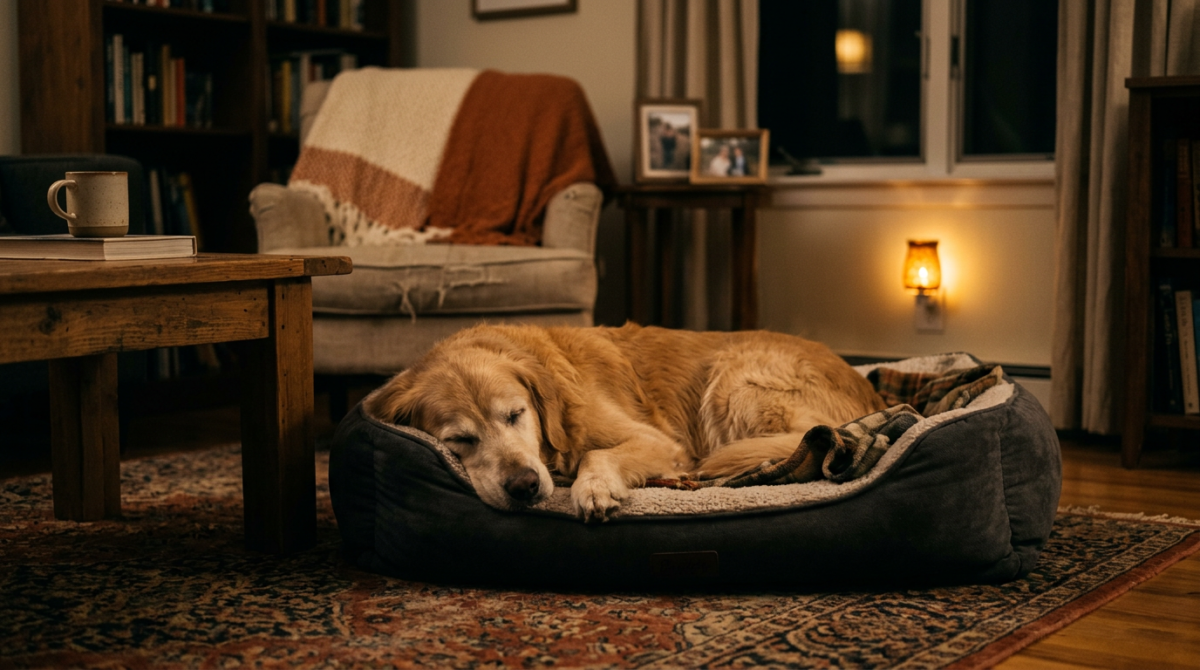
This is incredibly common, especially with our senior pups. Basically, this is often a sign of Canine Cognitive Dysfunction (CCD)—essentially ‘doggy dementia.’ Think of it like a GPS unit that has lost its satellite signal. The dog feels disoriented because it’s dark and quiet, so their brain “glitches” and triggers a stress response (panting).
What this means for you and your pet is that it’s not ‘no reason’—they are just lost in their own living room. Try adding a nightlight near their bed or using a white noise machine to help them feel anchored.
“Can I give my dog Benadryl to calm their panting?”
Real talk: please don’t be your own pharmacist. Essentially, Benadryl is an antihistamine for allergies, not a sedative for anxiety. Think of it like trying to fix a leaky tire with a piece of bubble gum. It might look like it’s doing something, but it’s not solving the underlying pressure. Plus, it can actually mask symptoms of a serious heart issue. Always call your vet before reaching into your own medicine cabinet.
《In-depth guide to assessing abnormal behavior in dogs.》
“What if my dog is panting and shaking at the same time?”
When you see the ‘Double Trouble’ of shaking and panting, it usually means their nervous system is totally overwhelmed. Think of it like a computer that is frozen and has its internal fan screaming at the same time. It’s almost always a sign of either intense fear (like fireworks) or significant physical pain. If you’ve removed the “scary thing” and they are still vibrating like a leaf, it’s time for a professional “system reboot” at the vet clinic.
《Emergency health checkup checklist for dogs.》
6. Conclusion: You Are Their Safe Space
At the end of the day, you are the world’s leading expert on your own dog. You know the difference between their “I’m excited for a walk” huff and their “I’m in trouble” pant. Whether it’s the brutal Austin sun or a scary case of the “thunder-booms,” the fact that you’re here looking for how to calm a panting dog means you’re already a top-tier pet parent.
Remember, your dog looks to you for their cues. Think of yourself like the pilot of a plane hitting turbulence. If the pilot sounds calm over the intercom, the passengers stay in their seats. If you stay calm, use your “AC System” logic, and keep your “Red Flag” checklist in mind, your pup will eventually follow your lead.
Your “Next Step” Action List
Ready to reclaim the quiet? Here is your 3-step checklist to handle the next “freight train” moment:
Check the Dashboard: Lift those lips! If the gums are pink, move to step 2. If they are pale or blue, grab your keys.
Reset the Environment: Get them to a cool, dark room with a fan. Target those “radiators” (belly and paws) with cool water.
The 15-Minute Rule: Set a timer. If the panting hasn’t slowed down in 15 minutes of rest, call your vet to check “under the hood.”
Real talk: we all have those moments where we feel a little panicked. I’ve been there with Biscuit more times than I can count. But by knowing the difference between a cooling fan and a smoke alarm, you’re giving your best friend the best care possible.
Has your pup ever given you a “panting scare”? What turned out to be the cause? Drop a comment below—let’s swap stories and help each other out!
Stay pawsitive,
Emily Carter
Key Terminology & References
To provide our readers with accurate scientific context, the following professional terms are linked directly to their respective entries in the Wikipedia Encyclopedia.
—————————————-
Veterinary Medicine
- Panting
- Thermoregulation
- Temperature
- Overheat
- Cooling
- Anxiety
- Veterinary assistant
- Heat
- Sweat glands
- Stress
- Pain
- Lab
- Clinic
Understanding your dog breathing patterns is important. Read about Dog Panting and Shaking: A Complete Guide for Owners for more insights.
Conclusion
Urinary tract infections in dogs are highly treatable when caught early. By recognizing the warning signs and seeking prompt veterinary care, you can prevent complications and help your dog return to good health quickly. Maintaining good hygiene, ensuring proper hydration, and following your vet’s treatment plan are key to a full recovery and reducing the risk of future UTIs.