
You walk into the house, and there it is – a little puddle, not quite where it should be, and your sweet girl looks a bit… off. Immediately, your mind races: Is she just mad I was gone too long, or is something else going on? This uneasy feeling often signals it’s time to pay close attention to the potential signs of UTI in female dogs.
Honestly, it’s easy to miss these subtle cues, especially when they’re trying to be brave. But as Biscuit’s mom, I know how much you want to catch these things early and save them any discomfort.
That’s why we’re going to talk through exactly what to look for, from those tiny behavioral shifts to clearer physical indicators, so you can confidently know when it’s time to call the vet.
By the end of this, you’ll feel equipped to advocate for your dog’s health and get her feeling better, faster.

1. signs of uti in female dogs – Your Dog’s Potty Troubles: Catching the Early Signs of a UTI in Female Dogs
Oh, the joys and occasional anxieties of dog parenthood! We all want our furry kids to be happy and healthy, right? Sometimes, though, little things pop up that make us scratch our heads. For related reading, see our Dog UTI treatment..
One super common, and often overlooked, issue that can turn your dog’s potty routine into a puzzle is a urinary tract infection, or UTI.
And trust me, as a dog mom to Biscuit and having spent two years in a vet clinic, I’ve seen firsthand how sneaky these can be, especially in our lovely female pups.
Think of it like this: your dog’s bladder and urinary tract are usually pretty chill places. But sometimes, unwelcome bacteria decide to throw a party there, causing an infection.
It’s kind of like when you get a persistent tickle in your throat that just won’t go away – annoying, uncomfortable, and definitely something you want to get rid of!
Why Female Dogs Are More Prone to UTIs
You might be wondering why we’re specifically chatting about female dogs here. Well, anatomically speaking, female dogs have a shorter and wider urethra—that’s the tube that carries urine out of the body. This makes it a bit easier for bacteria to travel up into their bladder and set up shop. It’s like having a shorter driveway for invaders to march right up to your front door! Because of this, knowing the subtle signs of UTI in female dogs is extra important for us dog parents.
Ignoring these early signals can lead to more serious issues down the road, like kidney infections, which are definitely no fun for anyone. I remember a sweet Labrador mix named Daisy from my vet assistant days. Her owner thought she was just “getting old” and having more accidents. By the time Daisy came in, her UTI had progressed so much she was truly miserable. We got her sorted, but it really highlighted how vital it is to recognize the early signs of UTI in female dogs to keep things from escalating.
Catching the Early Signs of UTI in Female Dogs
So, how do you play detective and spot these pesky infections early? It’s all about paying attention to their potty habits and overall demeanor. Here are the most common signs of UTI in female dogs:
- Increased Urgency and Frequency: Your dog might suddenly be asking to go outside more often than usual. They’ll squat and pee, then maybe just a few minutes later, they’re asking again. It’s like constantly checking your mailbox even when you know the mail hasn’t arrived yet – that persistent feeling of needing to go, even when there’s not much to come out.
- Straining or Difficulty Urinating: You might notice your dog trying to pee, but nothing (or only a few drops) comes out, and they might stay in the squatting position for an unusually long time. Sometimes, you’ll see them hunching their back a little, almost as if it hurts. This is one of the more obvious signs of UTI in female dogs that something isn’t right.
- Accidents in the House: Even a perfectly house-trained dog can suddenly start having accidents inside
Beyond the Bathroom: Other Sneaky Clues Your Female Dog Might Have a UTI
Okay, so we’ve probably all been there – noticing our sweet girl Lottie suddenly needing to go outside every five minutes, or maybe even having an accident indoors. Those are the classic, in-your-face signs of a urinary tract infection, or UTI, in our female pups. But what about the other, more subtle hints? The ones that whisper instead of shout? Trust me, my friends, when it comes to signs of UTI in female dogs, there’s a whole secret language our furry friends use beyond just frequent bathroom trips.
I learned this the hard way with Biscuit once, years ago. She was just a little off, not overtly “sick,” and it took me a beat to connect the dots. You’re not alone if you’ve missed these quieter signs of UTI in female dogs; they can be super sneaky! Think of it like when you’re coming down with a cold – sometimes you just feel generally ‘blah’ before the full-blown sniffles hit. Our dogs often show us a similar subtle “blah” that can point straight to a bladder infection.
Why These Sneaky Clues Matter
You might wonder, why go digging for these tiny clues when the big ones are so obvious? Well, here’s the scoop: catching a UTI early can save your dog a lot of discomfort and prevent the infection from getting more serious. Around 14% of all dogs will get a UTI at some point in their lives, and because of their anatomy, female dogs are significantly more prone to them than males. Their shorter, wider urethra – that’s the tube that carries urine from the bladder out of the body – makes it easier for bacteria to travel up and cause trouble. So, being vigilant about all signs of UTI in female dogs is just being a super-smart pet parent.
I remember a lovely Golden Retriever named Daisy who came into the clinic when I was a vet assistant back in 2017. Her mom thought Daisy was just “getting old” because she seemed a bit more tired and less playful. No accidents, no excessive peeing. Just… a little less Daisy. Turns out, it was a persistent UTI that had been brewing for a while. Once we treated it, Daisy was back to her bouncy self. This story always reminds me that early signs of UTI in dogs aren’t always what you expect.
Beyond the Bathroom: What Else to Watch For
So, besides the obvious urinary symptoms, what are those other tell-tale signs of UTI in female dogs? These are the little shifts in behavior or physical appearance that might make you tilt your head and go, “Hmm, that’s not quite right.” Pay close attention to these, because they can be key to helping your pup feel better faster.
- Changes in Appetite or Thirst: Has your dog suddenly become pickier with her kibble? Or is she drinking like she just ran a marathon, even when she hasn’t? While these can point to other issues, they are absolutely worth noting as potential signs of UTI in female dogs. When Biscuit had her mild UTI, she wasn’t as excited for her breakfast, which for a Golden is practically sacrilege!
- Lethargy or Reduced Activity: If your usually energetic girl is suddenly wanting to nap more, seems less interested in playtime, or lags behind on walks, a UTI could be the culprit. Imagine feeling a constant dull ache; you wouldn’t feel like running around either! This fatigue is a common, yet often overlooked, symptom of bladder infection in female dogs.
- General Discomfort or Restlessness: Your dog might seem fidgety, have trouble getting comfortable, or even try to hide. They can’t tell us, “My tummy hurts,” but their body language speaks volumes. This could be one of the more subtle signs of UTI in female dogs. Mango, my cat, once had a UTI and would constantly shift positions, like she couldn’t find a comfy spot.
- Licking the Genital Area Excessively: This is a big one that many owners miss! Your dog might be trying to soothe an itch or irritation caused by the infection. It’s their way of saying, “Something feels off down here.” If you notice your female dog paying extra attention to her private parts, it’s definitely a red flag among the signs of UTI in female dogs.
- Changes in Urine Appearance or Odor: This one gets a little gross, but it’s important. While you might not always see it, if you notice her urine looks cloudy, darker than usual, or smells particularly strong or foul, that’s a serious indicator. Healthy dog pee should be clear and pale yellow, with a mild odor. Any deviation can be a strong contender for how to tell if my dog has a UTI.
- Reluctance to Urinate or Straining: This might seem contradictory to frequent urination, but it can happen. Your dog might feel like she needs to go, but it’s painful, so she strains or only produces a few drops. This
My Dog Has a UTI! Now What?” Your Action Plan for Female Dog UTIs
Okay, deep breath, fellow dog parents. If you’ve just typed “my dog has a UTI” into your search bar, I get it. That knot in your stomach? I’ve been there. Biscuit, my sweet Golden Retriever, had his first urinary tract infection (UTI) when he was barely a year old. It’s scary, worrying, and you probably feel a mix of guilt and panic. But here’s the good news: you’re here, you’re looking for answers, and that’s the absolute best first step.
Urinary tract infections are surprisingly common, especially in our lovely female canine companions. Why female dogs? Well, think of it like this: the anatomy of a female dog makes it a shorter, straighter path for bacteria to travel up to the bladder, compared to male dogs. It’s not fair, I know! But it means we, as their guardians, need to be extra vigilant. Spotting the signs of UTI in female dogs quickly is your superpower here, and it makes all the difference in preventing discomfort and more serious issues.
What Are We Even Looking For? The Early Signs
So, your dog might not be able to tell you in words, “Hey, my bladder feels weird!” But trust me, they’re sending signals. The trick is knowing what those signals mean. Most often, the first signs of UTI in female dogs revolve around their potty habits. You might notice your sweet girl suddenly needing to go out more frequently. It’s like when you have a persistent little itch you just can’t shake, or a nagging feeling you need to use the restroom, even if not much comes out. That’s often what a UTI feels like for them.
One of the most telling early indicators of a UTI in female dogs is increased urination frequency. Biscuit, bless his heart, started waking us up multiple times a night to go outside, which was completely out of character for him. This wasn’t just a full bladder; it was an urgent, uncomfortable feeling. This is one of those crucial signs of UTI in female dogs that you absolutely can’t ignore.
Your Dog’s Potty Habits: The Big Clues
Let’s dive deeper into what you might see when your dog is trying to pee. You know your dog’s normal potty routine better than anyone. Any deviation is a clue. Here are the common signs of UTI in female dogs you should be watching for:
- Frequent Urination (Pollakiuria): Your dog asks to go out every hour, or even every 15-20 minutes. She might try to pee, only for a few drops to come out. It’s like their bladder alarm is going off constantly, but there’s not much in the tank. This is one of the clearest urinary tract infection symptoms in female dogs.
- Straining or Difficulty Urinating (Dysuria): Does she hunch over, push, and strain, looking uncomfortable while trying to pee? This is a huge red flag. It’s not just about getting it out; it’s about the effort and discomfort involved.
- Peeing in Unusual Places (Inappropriate Urination): Your perfectly house-trained dog suddenly has accidents indoors, or even right after coming in from outside. This isn’t usually defiance; it’s often a lack of bladder control due to the infection, or the urgency is just too much to hold. For many of my clients, this is the first of the signs of UTI in female dogs they spot.
- Blood in Urine (Hematuria): You might see pink, reddish, or even rusty-colored urine. This can be subtle, so keep an eye out, especially if your dog pees on light surfaces or snow. This is an undeniable sign something is very wrong and needs immediate veterinary attention.
- Cloudy or Strong-Smelling Urine: Healthy dog urine is usually clear and doesn’t have a pungent odor. If it looks cloudy, or smells unusually strong, fishy, or foul, it’s a strong indicator of infection. These can be strong signs of UTI in female dogs.
I can still vividly recall a little Beagle mix named Daisy at the clinic. Her owner thought she was just being “stubborn” by having accidents inside. But when we talked, she mentioned Daisy was also taking forever to pee and seemed uncomfortable. Once we ran the tests, sure enough, it was a pretty nasty UTI. Her “stubbornness” was really just extreme discomfort, a classic example of misleading signs of UTI in female dogs.
Beyond the Pee Pad: Other Subtle Red Flags
Sometimes, the signs of UTI in female dogs aren’t just about bathroom breaks. Keep an eye out for these other clues:
- Excessive Licking of the Genital Area: If your dog is constantly licking herself down there, it’s often an attempt to soothe irritation or discomfort. It’s their way of saying, “Something feels off!”
- Lethargy or Changes in Behavior: Any infection can make a dog feel generally unwell. She might seem more tired than usual, less playful, or just “off.” Mango, my cat, gets grumpy when she’s even slightly under the weather, and dogs are no different.
- Fever or Appetite
Ditching the Dog-ma: Busting UTI Myths & Keeping Your Female Dog Peppy
Hey there, fellow dog parents! Emily here from sunny Austin, Texas, with Biscuit snoozing at my feet. Today, we’re tackling something that can sneak up on our sweet girls: urinary tract infections, or UTIs. If you’ve ever had one, you know they’re no fun.
Well, our female pups can feel the same misery, and sometimes, they’re really good at hiding it. But don’t you worry, because by the end of this, you’ll be a pro at spotting the tiny clues that shout “help me!”
Think of your dog’s bladder and urinary system like a clean, well-maintained plumbing system in your house. Everything flows smoothly, no leaks, no clogs. A UTI happens when unwelcome bacteria decide to throw a party in that system, usually in the bladder.
For our female dogs, it’s a bit more common because their urethra—the tube that carries urine out of the body—is shorter and wider than male dogs’. This makes it easier for bacteria to travel upwards.
It’s like a shorter, wider hallway that’s easier for party crashers to get through. Not fair, right?
Why Catching These Signs Early Matters
I can’t stress enough how important it is to keep an eye out for any signs of UTI in female dogs. Why? Because an untreated UTI doesn’t just go away. It can climb up the urinary tract, potentially leading to a kidney infection, which is a much more serious and painful problem. I remember during my veterinary assistant days, a beautiful Golden Retriever named Lucy came in. Her mom thought Lucy was just “getting old” because she was having more accidents. Turns out, Lucy had a raging bladder infection that had been brewing for weeks, making her feel utterly miserable. A simple round of antibiotics could have saved her so much discomfort if those early signs of UTI in female dogs had been recognized sooner.
When you know what to look for, you can catch these things early and get your pup feeling like her peppy self again. Early detection means faster relief and prevents more serious complications. It’s all about being tuned into your dog’s everyday habits.
Your keen eye is her first line of defense!
Spotting the Subtle Signals: What to Look For
So, how do you tell if your furry friend might have a UTI brewing? Our dogs can’t tell us directly, but they definitely communicate through their actions. Here are the common signs of UTI in female dogs that should have your “mommy senses” tingling:
- Frequent Urination or Straining: Is she asking to go out more often than usual, but only producing a tiny trickle of pee? Or is she squatting for a long time, trying to go, but nothing much is happening? It’s like when you keep feeling the urge to use the restroom, but there’s not much there, just the sensation. This is one of the most classic signs of UTI in female dogs.
- Peeing in Unusual Places: Has your perfectly house-trained girl suddenly started having accidents indoors, especially in places she never would before? This isn’t usually spite; it’s often because she can’t hold it or the urge is too strong and sudden. A change in house-training habits is a big red flag, especially for a potential urinary tract infection.
- Licking Their Genitals Excessively: If your dog is constantly licking her vulva, it’s often a sign of irritation or discomfort down there. It’s her way of trying to soothe an itchy or painful area. Keep an eye on this behavior, as it’s a very common indicator among the signs of UTI in female dogs.
- Urine Changes: This one might be a bit harder to spot unless you’re really paying attention. Look for cloudy urine, or even worse, urine that appears reddish or has specks of blood. If you see blood, definitely don’t wait!
- Whining or Crying During Urination: If your dog vocalizes or seems uncomfortable when she’s trying to pee, it’s a clear sign of pain. This is like a sharp stomach ache, telling you something is really wrong. Any obvious discomfort while peeing should prompt immediate action.
- Changes in Appetite or Lethargy: While not specific to UTIs, if the infection is advanced or she’s just feeling really unwell, she might not eat much, seem unusually tired, or just “off.” This means her body is fighting hard and she needs help.
What to Do Next When You Spot the Signs
Okay, so you’ve noticed some of these signs of UTI in female dogs. What now? First, don’t panic! You’re being a great dog parent by paying attention. Second, don’t try to self-diagnose or wait it out. The best thing you can do is call your veterinarian right away. They’ll likely ask you to bring in a fresh urine sample (your vet can give you tips on how to collect this, it’s not always easy!).
Your vet will perform a urinalysis to check for bacteria, blood, and other indicators of infection.
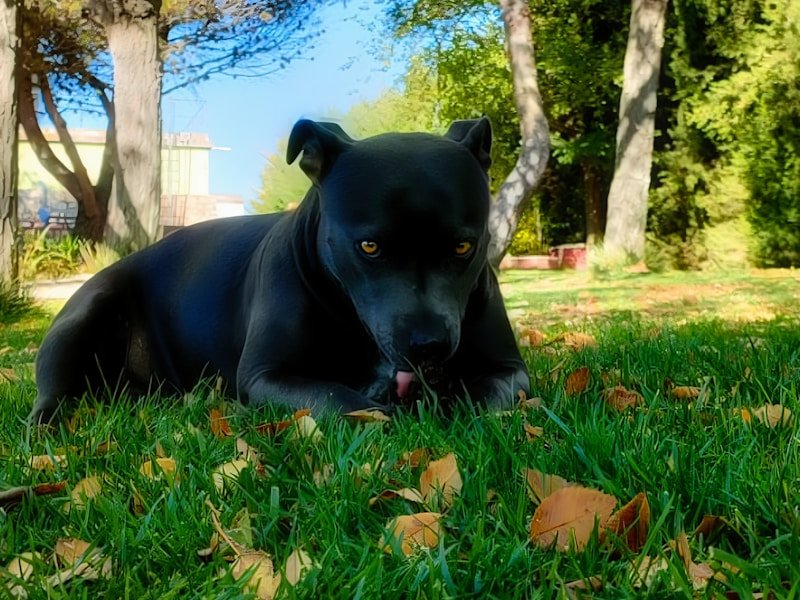
Signs of uti in: 2. Frequently Asked Questions for signs of uti in for signs of uti
How can I tell if my female dog has a UTI?
Look for frequent urination, especially small amounts, or straining when she tries to go. You might notice accidents indoors, even if she’s house-trained. Other red flags include licking her genital area more than usual, blood or a cloudy appearance in her urine, and general discomfort or lethargy. Any sudden change in her peeing habits is a good reason to pay close attention.
My dog is peeing a lot and seems uncomfortable. Could it be something else besides a UTI?
While these are classic UTI symptoms, they can also signal other issues. Conditions like bladder stones, kidney problems, or even diabetes can cause similar signs. That’s why it’s so important not to self-diagnose.
Your vet can perform a simple urine test to pinpoint the exact cause and ensure your dog gets the correct treatment, whether it’s for a UTI or something else entirely.
What should I do right away if I suspect my dog has a UTI?
The most important step is to contact your veterinarian immediately. Don’t try to treat it at home with over-the-counter remedies, as this could mask symptoms or delay proper care. Your vet will need a fresh urine sample to confirm the diagnosis and prescribe the right antibiotics.
Prompt treatment is key to relieve your dog’s discomfort and prevent the infection from potentially spreading to her kidneys.
Is there anything I can do to prevent my female dog from getting UTIs?
Absolutely! Ensuring your dog stays well-hydrated is crucial, so always provide fresh water. Frequent potty breaks help flush bacteria out. Maintaining good hygiene, especially around her vulva, can also reduce risk.
A balanced diet and regular vet check-ups are also important to keep her immune system strong and catch any potential issues early. Some vets may suggest cranberry supplements, but always discuss this with them first.
References & Further Reading
For accurate scientific context, the following terms link to the Wikipedia Encyclopedia:
Source: en.wikipedia.org
Urinary health is important for your dog well-being. Learn about How Do I Know If My Dog Has A UTI: Key Signs and Diagnost… for complete care information.
Conclusion
Urinary tract infections in dogs are highly treatable when caught early. By recognizing the warning signs and seeking prompt veterinary care, you can prevent complications and help your dog return to good health quickly. Maintaining good hygiene, ensuring proper hydration, and following your vet’s treatment plan are key to a full recovery and reducing the risk of future UTIs.