

When a dog is in pain, the challenge isn’t caring—it’s knowing what is safe. Dogs can’t explain what hurts, and many human pain medications are dangerous for them. If you’re asking what can I give my dog for pain, this article gives you a clear, practical overview. You’ll learn how to recognize common pain-related behaviors, which pain relief options may be considered under veterinary guidance, what treatments to avoid, and when a vet visit is necessary. The goal is simple: help you respond quickly and responsibly without putting your dog at risk.
- 1. How to Tell If Your Dog Is in Pain for what can i for what can i give
- 2. Physical Symptoms That May Indicate Pain in Dogs
- 3. Acute Pain vs. Chronic Pain in Dogs
- 4. What Can I Give My Dog for Pain? Safe Treatment Options
- 5. Natural and Non-Drug Pain Relief for Dogs
- 6. What NOT to Give Your Dog for Pain
- 7. When to See a Vet for Dog Pain
- 8. Natural Alternatives for Dog Pain Relief
- 9. Creating a Comfortable Environment for a Dog in Pain
- 10. Frequently Asked Questions About Dog Pain Medication
How to Tell If Your Dog Is in Pain for what can i for what can i give for what can i give for what can i give for what can i
Behavioral Signs of Pain in Dogs
Dogs often show pain through changes in behavior rather than obvious injuries. Some of the most common behavioral signs of pain in dogs include:
- Sudden withdrawal, hiding, or becoming unusually quiet
- Increased irritability, growling, or snapping when touched
- Excessive licking or chewing on a specific body part
- Reluctance to move, jump, climb stairs, or go for walks
- Changes in sleeping position, such as curling tightly or avoiding usual resting spots
Physical Symptoms That May Indicate Pain in Dogs
In addition to behavior changes, dogs may show physical signs that point to discomfort or pain. Common physical symptoms include:
- Limping, stiffness, or favoring one leg
- Shaking, trembling, or muscle tension
- Rapid or heavy breathing while at rest
- Decreased appetite or sudden changes in eating habits
- Whining, whimpering, or vocalizing when moving
Acute Pain vs. Chronic Pain in Dogs
Not all pain in dogs is the same, and understanding the difference helps determine the appropriate response:
- Acute pain appears suddenly and is often caused by injury, surgery, or illness
- Chronic pain develops gradually and persists over time, commonly linked to arthritis or dental issues
Recognizing whether your dog’s pain is sudden or long-term is an important first step before deciding what to do next.

What Can I Give My Dog for Pain? Safe Treatment Options
When dog owners ask what can I give my dog for pain, they are usually looking for something that works quickly but does not cause harm. The most important thing to understand is that pain relief for dogs must be approached differently than for humans. Some options may be safe only under veterinary guidance, while others should never be used at home.
Vet-Prescribed Pain Medication for Dogs
The safest and most effective pain relief options for dogs are medications prescribed by a veterinarian. These drugs are specifically formulated for dogs and take into account their metabolism, size, and health condition.
Common categories of vet-prescribed pain medication include:
- Veterinary NSAIDs, often used for inflammation, arthritis, or post-surgical pain
- Pain management medications designed for short-term or chronic conditions
- Combination treatments, where pain relief is paired with inflammation control
A veterinarian determines the appropriate medication based on factors such as your dog’s weight, age, medical history, and the cause of pain. Even medications that seem mild can cause serious side effects if used incorrectly, which is why professional guidance is essential.

Can Dogs Take Human Painkillers?
Many owners wonder what painkillers can I give my dog and assume that human medications may be safe in smaller doses. In reality, most human painkillers are toxic or extremely dangerous for dogs.
Medications that should never be given without veterinary approval include:
- Ibuprofen and naproxen, which can cause stomach bleeding and kidney failure
- Acetaminophen, which is highly toxic and potentially fatal for dogs
- Dose-adjusted human medications, which are unsafe even if the dosage seems “small”
A common and dangerous mistake is attempting to calculate a “dog-safe” dose based on body weight. Dogs process medications differently than humans, and even a single incorrect dose can lead to serious complications.
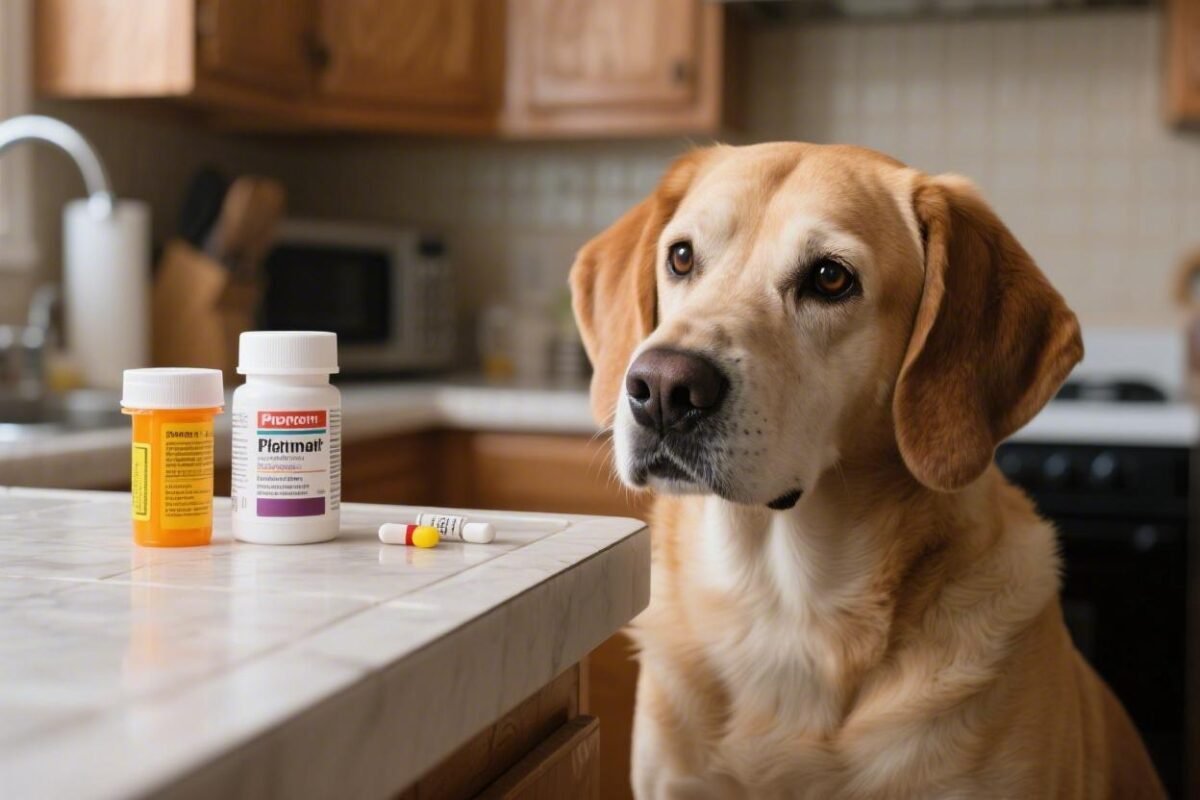
What Can Dogs Take for Mild Pain Under Supervision
For mild or temporary discomfort, some dogs may benefit from supportive pain management only with veterinary supervision. Mild pain does not mean risk-free, and it should never be treated casually.
Veterinary-guided options may include:
- Short-term pain relief strategies combined with rest
- Monitoring-based approaches to determine if symptoms resolve on their own
- Follow-up plans if pain persists or worsens
Before giving anything for mild pain, a vet may ask about recent injuries, behavior changes, appetite, mobility, and duration of symptoms. This information helps determine whether at-home management is appropriate or if further treatment is required.
Natural and Non-Drug Pain Relief for Dogs
Not all pain relief for dogs involves medication. In some cases, especially when pain is mild or part of a long-term condition, non-drug approaches can help improve comfort and mobility. These methods focus on reducing stress on the body, supporting recovery, and observing how the dog responds over time.
At-Home Comfort Measures for Dogs in Pain
Simple adjustments at home can make a noticeable difference for dogs experiencing discomfort. These measures are not treatments but supportive steps that may help reduce strain and irritation.
Common at-home comfort measures include:
- Limiting activity, such as avoiding stairs, jumping, or long walks
- Providing soft, supportive bedding to reduce pressure on joints
- Using cold or warm compresses when appropriate, depending on the situation
- Improving home safety, such as adding non-slip mats on smooth floors
These changes aim to minimize unnecessary movement and help the dog rest more comfortably while being closely observed.
Supplements That May Support Pain Management
Some dog owners explore supplements as part of a broader pain management plan. While supplements are not medications, they may support joint health or inflammation control when used responsibly.
Commonly discussed supplements include:
- Omega-3 fatty acids, often associated with joint and mobility support
- Glucosamine, frequently used for long-term joint comfort
- Turmeric-based products, which require caution due to dosing sensitivity
It is important to remember that supplements can still interact with medical conditions or other treatments. What works for one dog may not be suitable for another, especially for dogs with underlying health issues.
When Natural Pain Relief Is Not Enough
Non-drug approaches are not always sufficient. Some signs indicate that supportive care alone may no longer be appropriate and that further evaluation is needed.
Situations where natural pain relief may not be enough include:
- Pain that persists or worsens over several days
- Noticeable decline in mobility, appetite, or behavior
- Pain accompanied by additional symptoms such as vomiting or weakness
At this point, continuing to rely only on home-based methods may delay proper care. Recognizing when to move beyond natural support is an important part of responsible pain management.
What NOT to Give Your Dog for Pain
When a dog is in pain, it can be tempting to reach for medications or remedies that seem harmless. However, many commonly used products are dangerous—or even life-threatening—for dogs. Understanding what not to give your dog is just as important as knowing what may be safe.
Common Medications That Are Toxic to Dogs
Several medications that are safe for humans can cause serious harm to dogs, even in small amounts. These drugs are among the most common causes of pet poisoning.
Medications that should never be given to dogs without veterinary direction include:
- Ibuprofen and naproxen, which can lead to stomach ulcers, internal bleeding, and kidney damage
- Acetaminophen, which is highly toxic and can cause liver failure
- Combination pain medications, which often contain multiple harmful ingredients
According to animal poison control data, human pain medications are a leading cause of emergency visits related to accidental ingestion in dogs. Even a single dose can have severe consequences.
Why Home Remedies Can Be Dangerous
Home remedies and advice found online may seem natural or low-risk, but they often overlook critical factors that affect dog safety.
Common risks associated with home remedies include:
- Uncontrolled dosing, which can vary widely based on dog size and health
- Breed-specific sensitivities, where certain dogs react more strongly to substances
- Hidden interactions with existing medical conditions or supplements
What appears to be a mild solution may actually mask symptoms, delay proper diagnosis, or worsen the underlying problem. This is especially risky when pain is a sign of a more serious condition.
When to See a Vet for Dog Pain
Some pain-related issues can be monitored at home, but others require professional medical attention. Knowing when to see a veterinarian can prevent complications and ensure your dog receives appropriate care before the condition worsens.
Warning Signs That Require Immediate Care
Certain signs indicate that your dog’s pain should not be managed at home and needs urgent veterinary evaluation.
You should contact a veterinarian promptly if your dog shows:
- Pain that lasts longer than 24–48 hours without improvement
- Difficulty standing, walking, or sudden collapse
- Pain accompanied by vomiting, bleeding, or weakness
- Sudden changes in behavior, such as extreme lethargy or confusion
These symptoms may suggest serious injury, infection, or internal issues that cannot be addressed through observation or home support alone.
How Vets Diagnose and Manage Dog Pain
Veterinarians use multiple methods to identify the source and severity of pain. Diagnosis is not based on a single sign but on a combination of observations and evaluations.
Common diagnostic approaches include:
- Physical examinations and movement assessments
- Imaging tools such as X-rays when necessary
- Reviewing behavior changes and medical history
Pain management plans may involve medication, lifestyle adjustments, or long-term monitoring, depending on the cause. Owner observations play a key role in helping vets understand how pain affects daily behavior.
For more details on safe options, see our guide on safe pain relief and medications for dogs.
Keeping your dog comfortable is a priority. Learn about The Dachshund Spine: Understanding Back Health in Dogs for safe relief options.
Natural Alternatives for Dog Pain Relief
In addition to veterinary-prescribed medications, several natural approaches can help manage your dog pain. Cold therapy can reduce inflammation in acute injuries, while warm compresses can soothe stiff joints in older dogs. Physical therapy exercises, done under professional guidance, can improve mobility and reduce discomfort in dogs with arthritis or post-surgical recovery needs.
CBD oil for pets has gained popularity as a natural pain relief option, though research on its effectiveness is still emerging. Always choose high-quality CBD products specifically formulated for pets and discuss their use with your veterinarian. Supplements like green-lipped mussel extract, turmeric, and omega-3 fatty acids may also provide anti-inflammatory benefits when used as part of a comprehensive pain management plan.
Creating a Comfortable Environment for a Dog in Pain
In addition to medications and supplements, environmental modifications can significantly improve your dogs comfort level. Providing a soft, supportive bed in a quiet, draft-free area can help alleviate pressure on sore joints and muscles. Orthopedic dog beds are particularly beneficial for senior dogs and those with arthritis. Keeping your dog warm with blankets can also help ease stiffness, as cold temperatures often exacerbate joint pain. Consider using non-slip mats on hard flooring surfaces to help your dog move more confidently and reduce the risk of falls or slips that could worsen their condition.
Conclusion
Managing your dog pain requires a thoughtful, multi-faceted approach that prioritizes safety and effectiveness. By working closely with your veterinarian, exploring both conventional and natural options, and making environmental adjustments to support your dog comfort, you can help your pet live a happier, more comfortable life.
Frequently Asked Questions About Dog Pain Medication
What is the safest pain reliever for dogs?
The safest pain relievers for dogs are those prescribed by a veterinarian after a proper examination. Carprofen (Rimadyl) and meloxicam (Metacam) are commonly prescribed NSAIDs for dogs that are generally safe when used as directed. However, no medication is completely without risk, and your vet will determine the safest option based on your dogs specific health status, age, and medical history.
Can I give my dog Benadryl for pain?
Benadryl (diphenhydramine) is an antihistamine, not a pain reliever. It may help with itching and allergic reactions but will not alleviate pain. It also will not help with inflammation or discomfort from conditions like arthritis or injuries. For pain relief, you need medications specifically designed to target pain pathways, which should be recommended by your veterinarian.