
Quick Navigation
-
1. The Science of the Side-Eye: What Exactly is Dog Whale Eye?
-
2. The “Guilt” Trap: Why We Misread Dog Whale Eye Signals
-
3. Context is Everything: When the Side-Eye is Actually “Normal”
-
4. De-Escalating the Tension: What to Do Next
-
5. FAQ: Answering Your “Dog Park” Questions
-
6. Conclusion: Your “Safe Dog” Action List
Have you ever laughed at your pup for giving you that hilarious, dramatic “side-eye” after they snagged a sandwich off the counter? Honestly, most pet parents think that flash of white is just a “guilty look,” but back when I was a vet assistant, I saw how missing the dog whale eye signal is often the final warning before a bite.
- 1. 1. The Science of the Side-Eye: What Exactly is Dog Whale Eye?
- 2. 2. The “Guilt” Trap: Why We Misread Dog Whale Eye Signals
- 3. 3. Context is Everything: When the Side-Eye is Actually “Normal” for dog whale eye
- 4. 4. De-Escalating the Tension: What to Do Next for dog whale eye
- 5. 5. FAQ: Answering Your “Dog Park” Questions
- 6. 6. Conclusion: Your “Safe Dog” Action List
- 7. Key Terminology & References
Real talk: it breaks my heart when owners misinterpret fear for humor, and even Biscuit gave me this look once before I learned better! We’ll cover how to spot this crescent-shaped stare and find out exactly what’s going on in your dog’s head when they feel cornered or stressed.
By the end of this, you’ll know exactly how to read the room (and the eyes) to keep your home peaceful and safe. You’ll find out why your dog is actually begging for help, not looking for a laugh, so you can stop a “bad moment” before it starts.
1. The Science of the Side-Eye: What Exactly is Dog Whale Eye?
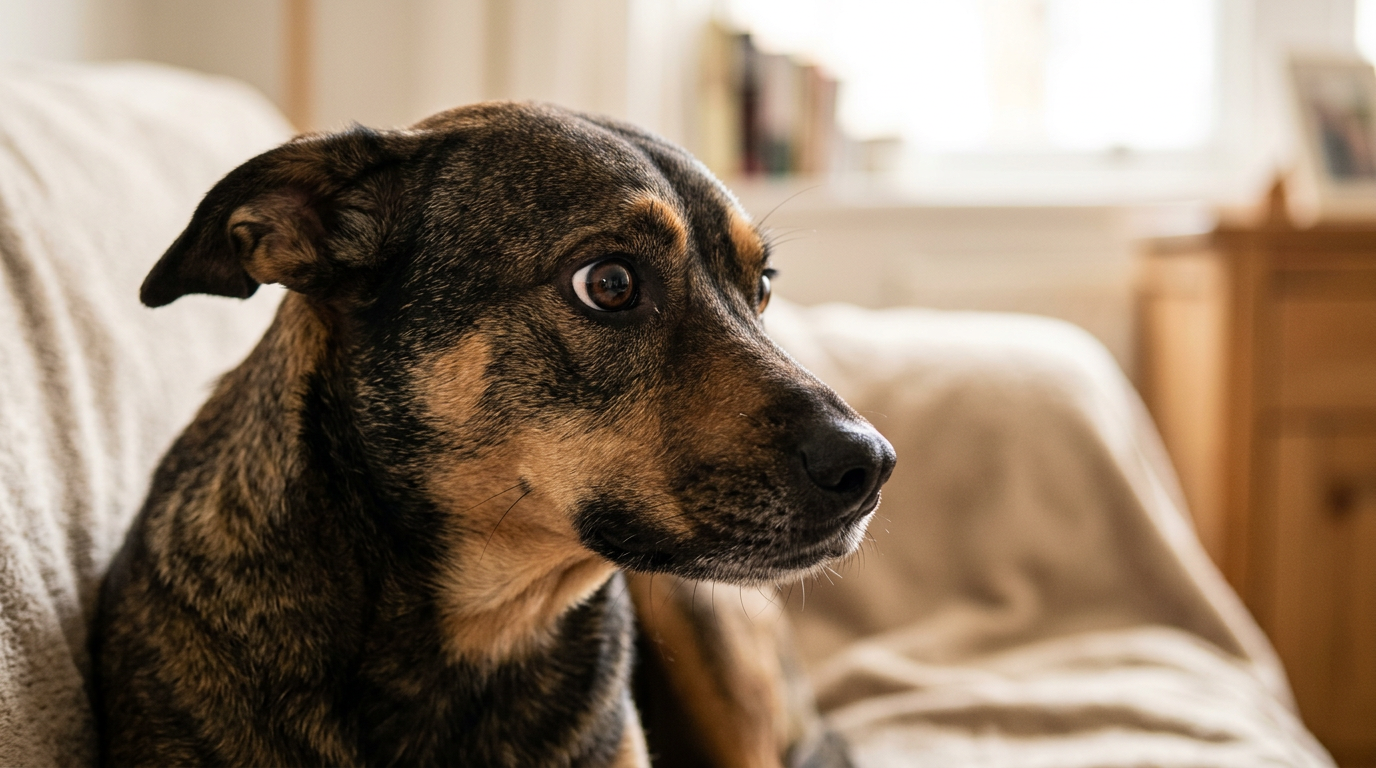
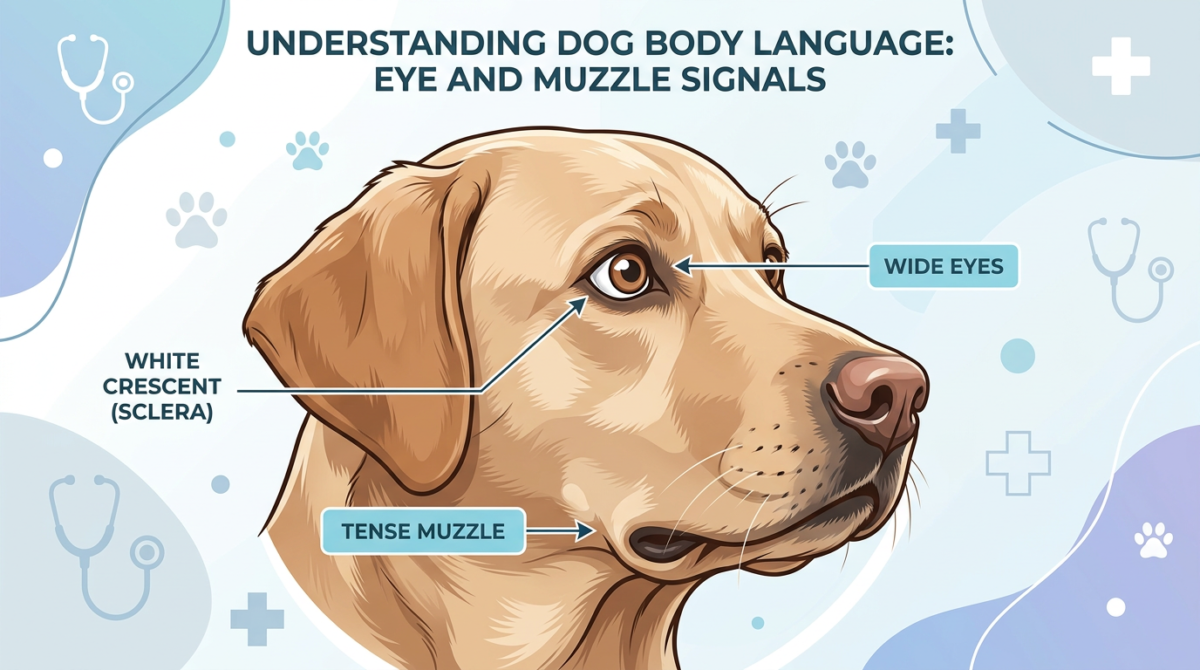
Have you ever been hanging out on your patio, maybe scrolling through your phone, when you notice your pup staring at you in a way that feels… well, a bit dramatic? Their head is tilted away, but they are cutting their eyes back at you so hard that you see a big, white crescent moon shape in the corner of their eye. Honestly, most of us see that and think, “Oh, look at that hilarious side-eye! He’s being so sassy.” But in the professional world, we call that dog whale eye, and it’s actually your pup’s way of sounding a silent alarm.
Think of dog whale eye like the “security camera” mode on a doorbell. The camera stays fixed on the porch, but the lens is wide enough to track movement all the way to the sidewalk. Your dog is trying to keep a “threat” (like a person reaching for their bone or a loud toddler) in their direct line of sight without moving their head and escalating the situation. For you and your pet, this means the “funny” look is actually a sign that your dog feels cornered and is keeping a very close watch on what happens next.
Why Your Dog Tracks the World This Way
In plain English, dog whale eye is all about the Sclera—basically, the white “shell” of the eyeball that is usually hidden behind the eyelids.
Imagine you are walking down a dark alley and hear footsteps behind you. You might not want to turn your whole body around because you don’t want to start a fight, but you’ll definitely cut your eyes to the side to see who is there. This is exactly what’s happening in your dog’s brain. They are in a state of high alert, and their eyes are bulging slightly because their nervous system is primed to react.
I remember a sweet Lab named Daisy who came into our clinic back in 2018 for a simple nail trim. Her owners thought she was just being “shy” because she kept her head down but showed a massive dog whale eye every time the vet touched her paw. Daisy wasn’t shy; she was shouting “I am terrified” with her eyes. Because her owners didn’t know how to read the sign, they kept pushing, and Daisy eventually let out a low growl that shocked everyone. That growl didn’t come out of nowhere—the dog whale eye was the warning she had been giving for ten minutes.
The Real Stakes of Ignoring the Stare
Why should you care about a little bit of eye white? Because misinterpreting this signal is how most “surprising” nips happen. Data shows that nearly 60% of pet owners accidentally ignore early ocular signals (eye cues) because they look like human expressions we find cute. This means for you and your pet that by the time your dog starts growling or snapping, they feel like they’ve already tried to talk to you in “dog language” and you just weren’t listening.
When a dog shows dog whale eye, it’s often a precursor to Resource Guarding—basically, when a dog feels they have to protect something they value, like a favorite squeaky toy or even their spot on the sofa. If you see that flash of white while they are gnawing on a treat, they are telling you they aren’t in the mood to share. Honestly, I’ve seen so many people lean in to kiss their dog’s head while the dog is showing dog whale eye, thinking it’s a sweet moment, when the dog is actually seconds away from a reactive burst.
《Dog Behavior Meaning: Decoding Your Pet’s Body Language》
How to De-Escalate the Tension Right Now
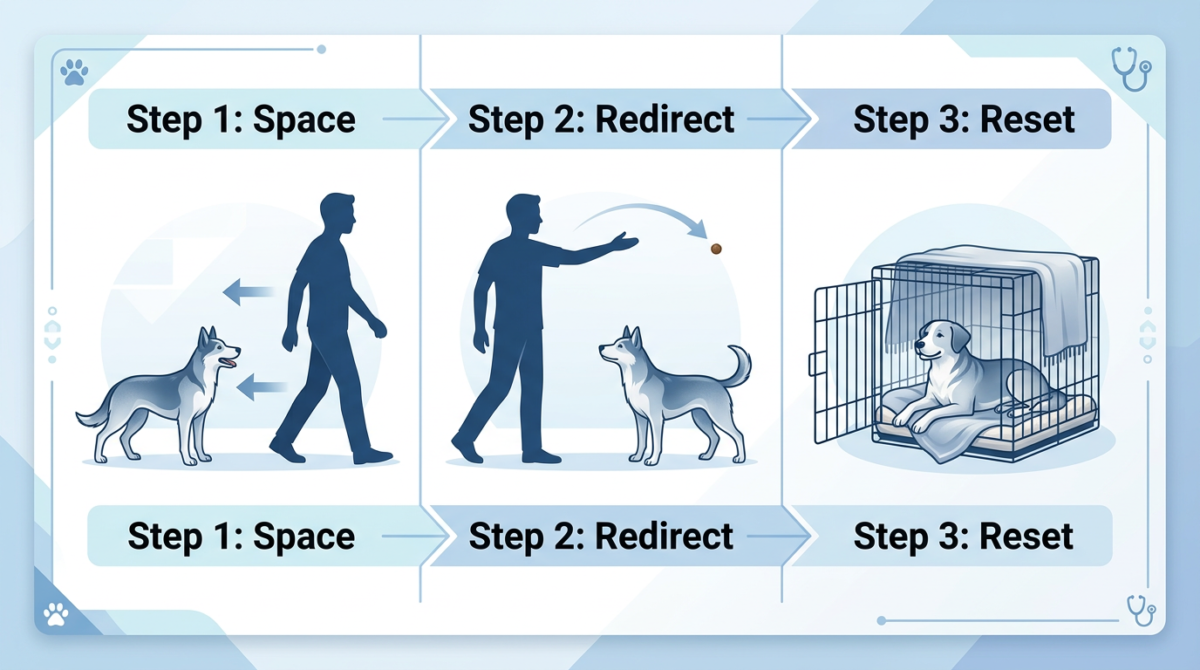
I want you to be able to look at your dog today and know exactly how to handle this. If you see dog whale eye happening in your living room, don’t panic, but do stop what you are doing. Here is your “emergency reset” plan to help your pup feel safe again:
The “Space Bar” Rule: The second you see that white crescent, take two big steps back. In plain English: just give them room to breathe.
Avoid the “Staring Contest”: Staring directly into your dog’s eyes while they are showing dog whale eye feels like a threat to them. Look at your shoes or turn your body slightly away.
Stop the Scolding: If they are showing dog whale eye because they did something “bad,” stop the loud “What did you do?!” voice. They aren’t feeling guilty; they are feeling scared of your reaction.
Redirect with a Toss: If they are guarding an object, don’t try to take it. Toss a high-value treat away from them to break the “lock” their eyes have on the situation.
By respecting the whale eye, you are telling your dog, “I hear you, and I’ve got your back.” Honestly, I made the mistake of pushing Biscuit too far during a bath once and saw that flash of white. I had to remind myself that my “perfect” dog is still a dog, and he was telling me he’d hit his limit. Real talk: being a great pet parent isn’t about having a dog that never gets stressed—it’s about being the person who knows how to read the dog whale eye and turn the “yellow light” back to green before anyone gets hurt.
2. The “Guilt” Trap: Why We Misread Dog Whale Eye Signals
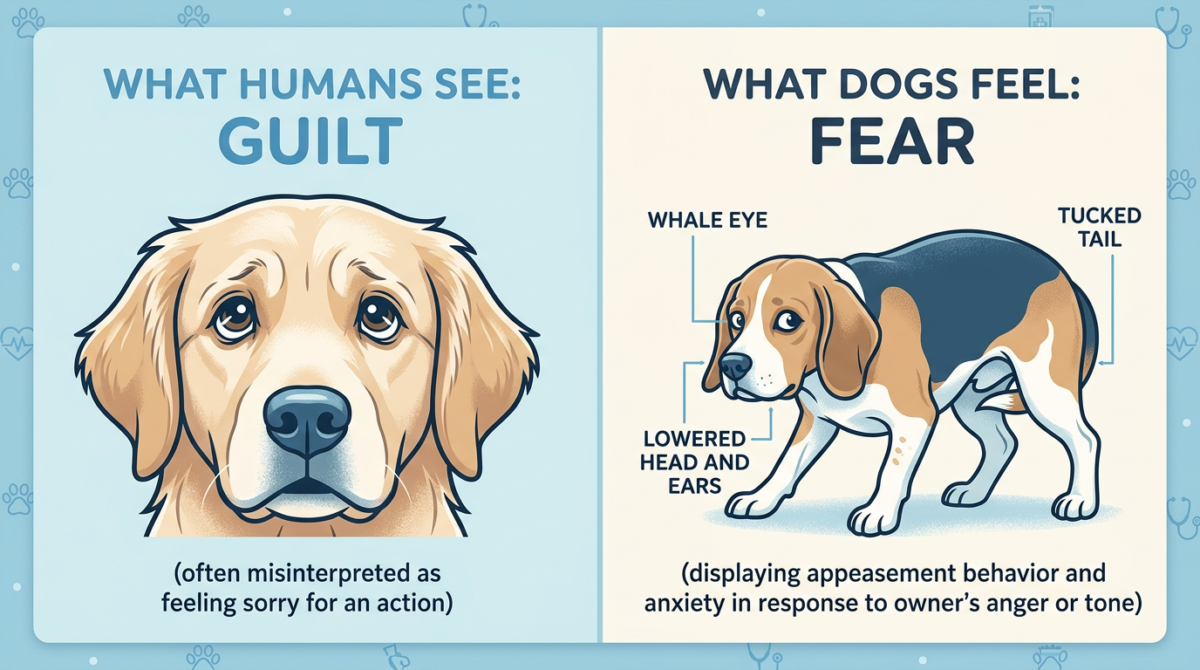
Have you ever walked into your kitchen to find a shredded bag of flour and a dog who looks like they are trying to melt into the floor? They are hunched low, their ears are pinned back, and they’re giving you that heavy dog whale eye. Honestly, our first instinct is to say, “Oh, look at that guilty face! He knows exactly what he did.”
But here’s the real talk: your dog isn’t feeling “guilty” because they don’t have a human moral compass. Think of your dog’s reaction like a mirror. When you walk into the room and see a mess, your heart rate goes up and your body gets tense. Your dog is simply reflecting your “angry energy” back at you. For you and your pet, this means the dog whale eye isn’t a confession—it’s a desperate attempt to calm you down.
Why It’s Fear, Not Regret
In plain English, what we call a “guilty look” is actually Appeasement Behavior—basically a series of signals dogs use to show they aren’t a threat and to beg for peace.
Imagine you are being pulled over by a police officer. Even if you haven’t done anything wrong, you might act extra polite, keep your hands visible, and avoid aggressive movements, right? You’re trying to “appease” the officer to keep the situation safe. That is exactly what your dog is doing when they show dog whale eye after a mess. They see you are upset and are essentially saying, “Please don’t hurt me, I’m being small and submissive!”
I remember a Beagle named Buster who was a “serial trash-shredder” I met at the clinic. His owner was convinced Buster felt guilty because he would show massive dog whale eye the second she walked in. But when we set up a camera, we saw Buster happily shredding the trash with zero “guilt” until the exact moment he heard her key in the lock. He wasn’t sorry for the trash; he was reacting to her predictable frustration.
The Danger of the “Guilty” Narrative
Why does it matter if we call it guilt or fear? Because when we think a dog is “guilty,” we tend to think they deserve to be scolded. Data tells us that nearly 70% of owners who scold their dogs for “guilt” actually end up making the dog whale eye and the underlying anxiety much worse. This means for you and your pet that punishing a dog who is already showing fear signals is like yelling at someone for having a panic attack—it’s not going to fix the behavior, it’s just going to break their trust in you.
When a dog is resource guarding—basically protecting a high-value item like a stolen slipper—they often use dog whale eye as a final warning. If you mistake this for “guilt” and try to snatch the item away while scolding them, you might get bitten. Honestly, I’ve seen so many people make this exact mistake because they thought the dog was “acting ashamed” when the dog was actually “loading” for a snap.
《Dog Behavior Meaning: Decoding Your Pet’s Body Language》
How to Correct the “Guilty” Habit Today
I want to help you break this cycle so your home stays a happy, safe place. Next time you walk in and see a disaster zone, here is exactly how I handle it with Biscuit to avoid that dog whale eye stress:
The “Clean and Carry On” Method: If you find a mess, don’t yell. Quietly put your dog in another room or out in the yard. In plain English: if you didn’t catch them in the act, they literally cannot connect your anger with the shredded pillow from 20 minutes ago.
The “Trade Up” Strategy: If they have something they shouldn’t, don’t wrestle for it. Toss a piece of high-value chicken or a favorite ball a few feet away. When they go for the treat, you can safely remove the “forbidden” item.
Soften Your Body: If you see dog whale eye, take a deep breath. Drop your shoulders and use a “happy” high-pitched voice. You’ll be amazed at how quickly those whites of their eyes disappear when they realize you aren’t a threat.
Stop the “Shaming” Videos: Avoid the temptation to film your dog looking “guilty” for social media. That dog whale eye is a sign of extreme distress, and pushing them for a “funny” video is actually quite stressful for them.
By shifting your perspective from “he’s guilty” to “he’s scared,” you become the advocate your dog needs. Honestly, once I stopped the “guilt trips” with Biscuit, he actually stopped shredding things because he wasn’t constantly living in a state of high-alert anxiety. Real talk: your dog doesn’t need to be “sorry”—they just need to feel safe with you!
3. Context is Everything: When the Side-Eye is Actually “Normal” for dog whale eye
Have you ever been in the middle of a rowdy game of tug-of-war and noticed your pup’s eyes flashing white while they growl playfully? Honestly, it can be a little spooky if you don’t know what you’re looking at! But here’s the thing: dog whale eye isn’t always a sign that your dog is about to lose their cool.
Think of your dog’s side-eye during play like a professional athlete’s focus during a big game. They might look intense, and their eyes might be darting around to track the ball, but they aren’t actually angry. For you and your pet, this means you have to look at the “whole body” vibe before you decide if that dog whale eye is a reason to end the fun.
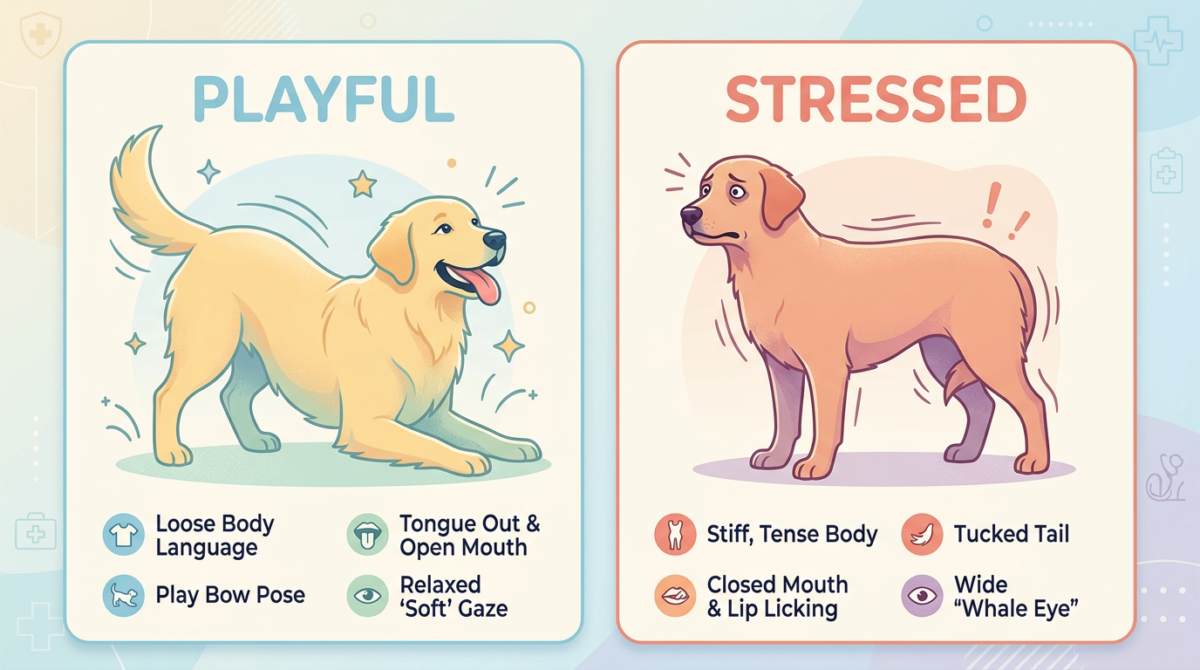
The “Playful Side-Eye” vs. The “Stress Stare”
In plain English, we need to look for Body Fluidity — basically, how loose and “wiggly” your dog’s muscles are while they play.
Imagine watching a professional dancer versus watching a soldier on guard duty. Both might move their eyes to stay alert, but the dancer is relaxed and bouncy, while the soldier is rigid and ready for action. When dog whale eye happens during play, your dog’s body should be like that dancer — curvy, bouncy, and soft.
I remember a Boxer named Jax who used to give the most dramatic dog whale eye when he played with his favorite tetherball. His eyes were wide and showing plenty of white, but his nub of a tail was going a mile a minute and his body was literally doubled over in a “play bow.” Jax wasn’t stressed; he was just 100% locked into the game!
The Breed Factor: Anatomy Matters
Why do some dogs seem to show the whites of their eyes all the time? Well, for some breeds, dog whale eye is just a part of their “standard equipment.” We call these Brachycephalic Breeds — basically dogs with short muzzles and rounder, more prominent eyes, like Pugs, Frenchies, or Boston Terriers.
Think of it like wearing a t-shirt that is one size too small. The fabric (the eyelids) just doesn’t quite cover everything it’s supposed to. Data shows that in breeds with large, round orbits (eye sockets), the sclera can be visible in up to 40% of their normal, relaxed expressions. This means for you and your pet that if you own a “bug-eyed” beauty, you can’t rely on dog whale eye alone to judge their mood.
Honestly, I’ve had neighbors panic because their new Pug puppy looked “terrified” at a cafe, when really, he was just looking up at a croissant! Real talk: if the eyes are always a bit “showy” but the dog is eating, wagging, and relaxing, you’re likely just looking at a perfectly normal, albeit slightly googly-eyed, pup.
《Dog Behavior Meaning: Decoding Your Pet’s Body Language》
Emily’s “Vibe Check” for Playtime
I want you to be able to tell the difference between a dog who is “in the zone” and a dog who is “over the edge.” Here is how you can perform a quick check the next time you see dog whale eye during a play session:
The “Noodle Test”: Look at their spine. Is it curvy and loose like a cooked noodle, or straight and stiff like an uncooked one? If they are “noodly,” the side-eye is just part of the game.
Watch for “Meta-signals”: These are play-specific cues like the “play bow” (front legs down, butt up). If your dog is bowing while showing dog whale eye, they are definitely still having fun.
The “Mouth State”: Is the mouth hanging open in a “submissive grin” or a relaxed pant? That’s a green light. If the mouth is tightly clamped shut while they show white, it’s time to take a break.
Check the Breathing: Playful dogs usually have a loud, rhythmic “huffing” breath. If they go silent and hold their breath while showing dog whale eye, the energy has shifted from play to real concern.
By learning the context, you’ll know exactly when to keep the game going and when to call it quits. Honestly, once I realized that Biscuit’s “crazy eyes” during fetch were just pure focus, I stopped worrying and started enjoying our trips to Barton Creek so much more. Real talk: your dog’s eyes tell a story, but you have to read the whole paragraph to get it right!
4. De-Escalating the Tension: What to Do Next for dog whale eye
Have you ever felt that awkward, thick tension in a room right before two people start an argument? Honestly, that is exactly what the air feels like when you spot that flash of dog whale eye in your living room. It’s a high-pressure moment, and as the “cool-headed” leader of the house, your job isn’t to punish the look—it’s to act like a pressure-relief valve.
Think of your dog’s stress levels like a boiling pot of water on the stove. When you see those whites of their eyes, the water is already bubbling at the rim. If you keep turning up the heat by scolding them or leaning in closer to “comfort” them, it’s going to boil over into a snap or a bite. For you and your pet, this means our goal is to “turn down the flame” as quickly and calmly as possible the second we notice the dog whale eye.
The Power of Giving the “Gift of Space”
In plain English, the most effective tool in your training kit for responding to dog whale eye is Systemic De-escalation—basically, just a fancy way of saying “giving your dog a way out.”
Imagine you are feeling a bit claustrophobic in a crowded elevator. The best thing someone can do is step back and give you room to breathe, right? You don’t need a lecture; you just need air. Data tells us that it takes about 15 to 20 minutes for a dog’s cortisol—basically the “stress hormone” that keeps them on high alert—to return to normal levels after a scare. This means for you and your pet that once you see dog whale eye, you can’t expect them to be “fine” in ten seconds. They need a real break.
I remember a Golden Retriever named Max who came into our clinic back in 2018. A toddler was trying to hug him, and Max was showing a dramatic dog whale eye. Instead of telling Max to “be a good boy,” we immediately moved the child to another room. Max didn’t need a treat or a scolding; he needed the “pressure” of that hug to vanish. Within twenty minutes, his eyes softened, and he was back to his wiggly, happy self. We respected his “No,” so he didn’t have to growl to make us listen.
Breaking the Stare with a “Positive Interrupter”
Sometimes, just walking away isn’t enough because your dog is “locked in” on whatever is making them nervous. In these moments, we use a Positive Interrupter—essentially a neutral sound or action that breaks their concentration without adding more stress to the dog whale eye situation.
Think of it like when your WiFi router freezes. You don’t hit it with a hammer; you just give it a quick “reset” so it can start fresh. When you see dog whale eye, you want to gently reset your dog’s brain. Honestly, I’ve used this trick a thousand times with Biscuit when he gets a little too intense about guarding a new tennis ball from Mango.
《How to Create a Calming Environment for Your Dog》
Emily’s “Right Now” Action List for Dog Whale Eye
I want you to have a plan you can use the very next time you see those “half-moon” eyes. Here is exactly how to handle the situation like a pro to ensure nobody gets nipped:
The “Space Bar” Rule: The second you spot dog whale eye, take two large steps back. Don’t say a word, don’t reach out, and don’t make eye contact. In plain English: just give them the space they are begging for.
The “Yawn and Look Away” Trick: In dog language, a big yawn and turning your head away is a “Calming Signal.” It tells your dog, “I’m not a threat, and I’m totally relaxed.” This often helps the dog whale eye vanish instantly.
Toss, Don’t Take: If your dog is showing the whites of their eyes while holding a forbidden object (like your shoe), do not try to pry it out of their mouth. Toss a high-value treat away from them. When they move to get the treat, you can calmly pick up the shoe.
The “Zen Den” Reset: If the house is loud or guests are over, lead your dog to their crate or a quiet bedroom. This isn’t a punishment; it’s a 5-minute “time-out” to let their brain cool down from the dog whale eye trigger.
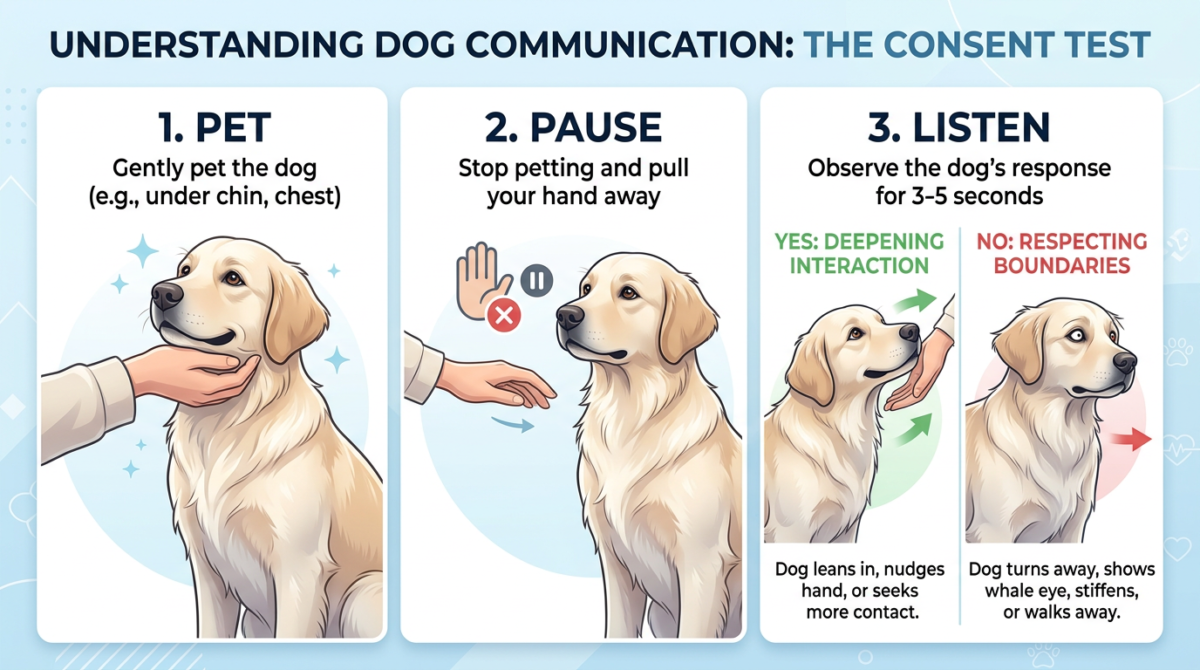
The “Hand-Sniff” Consent Test: Before you pet a dog that previously showed dog whale eye, offer the back of your hand from a distance. If they don’t move toward you, they aren’t ready for pets yet. Respect that!
By responding to dog whale eye with calm actions instead of loud words, you’re becoming the advocate your dog thinks you are. Honestly, once I started using the “Space Bar” rule, Biscuit stopped feeling the need to guard his things because he knew I’d never corner him. Real talk: ignoring dog whale eye is a recipe for disaster, but respecting it is the fastest way to a happy, trust-filled home!
5. FAQ: Answering Your “Dog Park” Questions for dog whale eye
Whenever I’m grabbing a latte at a dog-friendly patio here in Austin, someone always leans over to ask about that “shifty look” their pup gives. Honestly, we all want to be the best “translators” for our furry best friends, but some signals are just plain tricky!
Think of these FAQs like the “frequently asked questions” page on a travel site. You’ve got the basics of the language down, but now you need to know the local customs. For you and your pet, these answers are the little nuances that turn you from a dog owner into a dog expert.
“My dog gives me whale eye when I hug him. Does he hate me?”
I hear the heartbreak in people’s voices with this one! Real talk: your dog doesn’t hate you. However, in plain English, most dogs find hugs incredibly stressful because they are Cursorial Animals—basically, they are biologically built to run away from danger.
Imagine you’re in a crowded elevator and a stranger wraps their arms around you in a tight squeeze. Even if they mean well, your instinct is to stiffen up and look for an exit, right? That’s exactly why you see dog whale eye during a hug. They love your company; they just prefer an ear scratch over a full-body lockdown that takes away their “run” option.
“Should I scold my dog for giving the whale eye?”
Honestly, this is the most important “No” I will ever give you. Think of dog whale eye like the battery in your smoke detector. If the detector starts chirping, you don’t smash it with a hammer, right? You go check for smoke.
If you punish the “look,” your dog might stop giving you that warning. This means for you and your pet that next time they feel pushed too far, they might skip the warning and go straight to a snap or a bite. We always want to keep the “smoke detector” working so we can handle the problem safely!
“Is whale eye ever a medical emergency?”
While we usually talk about dog whale eye as a mood, sometimes it is a physical issue. Basically, if you can see the white of the eye all the time—even when your dog is totally relaxed, eating, or sleeping—it might be time for a vet visit.
When I was a vet assistant, I saw a pup whose “constant whale eye” was actually Glaucoma—basically a painful buildup of pressure inside the eye. If the eye looks “bulgy,” red, or has discharge, that isn’t a “warning look”; it’s a medical issue. If you’re ever in doubt, record a 10-second video of their eyes and email it to your vet!
6. Conclusion: Your “Safe Dog” Action List for dog whale eye
Honestly, mastering the art of reading dog whale eye is like finally getting the secret password to your dog’s brain. It turns “scary” moments into “learning” moments. By respecting that tiny flash of white, you aren’t being “weak”—you’re being a leader your dog can actually trust.
Think of your relationship with your pup like a two-way street. When you listen to their quiet warnings, they don’t feel the need to shout (or bite) to get their point across. Real talk: a dog that feels heard is a dog that feels safe, and a safe dog is a happy dog!
Your “Next Step” Action List
I want you to leave this post feeling like you have a “doggy decoder ring” in your pocket. Here is exactly how to use this info starting today:
Identify the “Baseline”: Take a photo of your dog while they are totally relaxed today. Notice how much (if any) white you can see. This is your “normal” to compare against.
The “Consent Test”: Next time you pet your dog, stop for 3 seconds. If they lean in, keep going. If they give you dog whale eye, they’re saying “I’m good for now, thanks!”
Educate the Neighbors: If you have guests or kids over, show them a picture of dog whale eye. Tell them, “If you see the moon, give him room!” It’s the easiest way to keep everyone safe.
《How to Create a Calming Environment for Your Dog》
CTA: Is your pup a “side-eye” pro or a “bug-eyed” beauty? Drop a comment below and tell me what usually triggers that flash of white in your house—let’s swap stories and keep our pups happy together!
Key Terminology & References
To provide our readers with accurate scientific context, the following professional terms are linked directly to their respective entries in the Wikipedia Encyclopedia.
—————————————-
Behavioral Signals
Canine Anatomy
Emotional States
Veterinary Practice
Owner Communication
Understanding your dog behavior is key to a happy relationship. Read more about Why Do Dogs Get the Zoomies After a Nap or Bath.
Conclusion
Your dog’s eyes are windows to their health, and any changes in appearance or vision warrant attention. From minor irritations to serious conditions, early detection and treatment are essential for preserving your dog’s eyesight and comfort. Regular veterinary eye examinations and prompt attention to symptoms can make a significant difference in outcomes.