
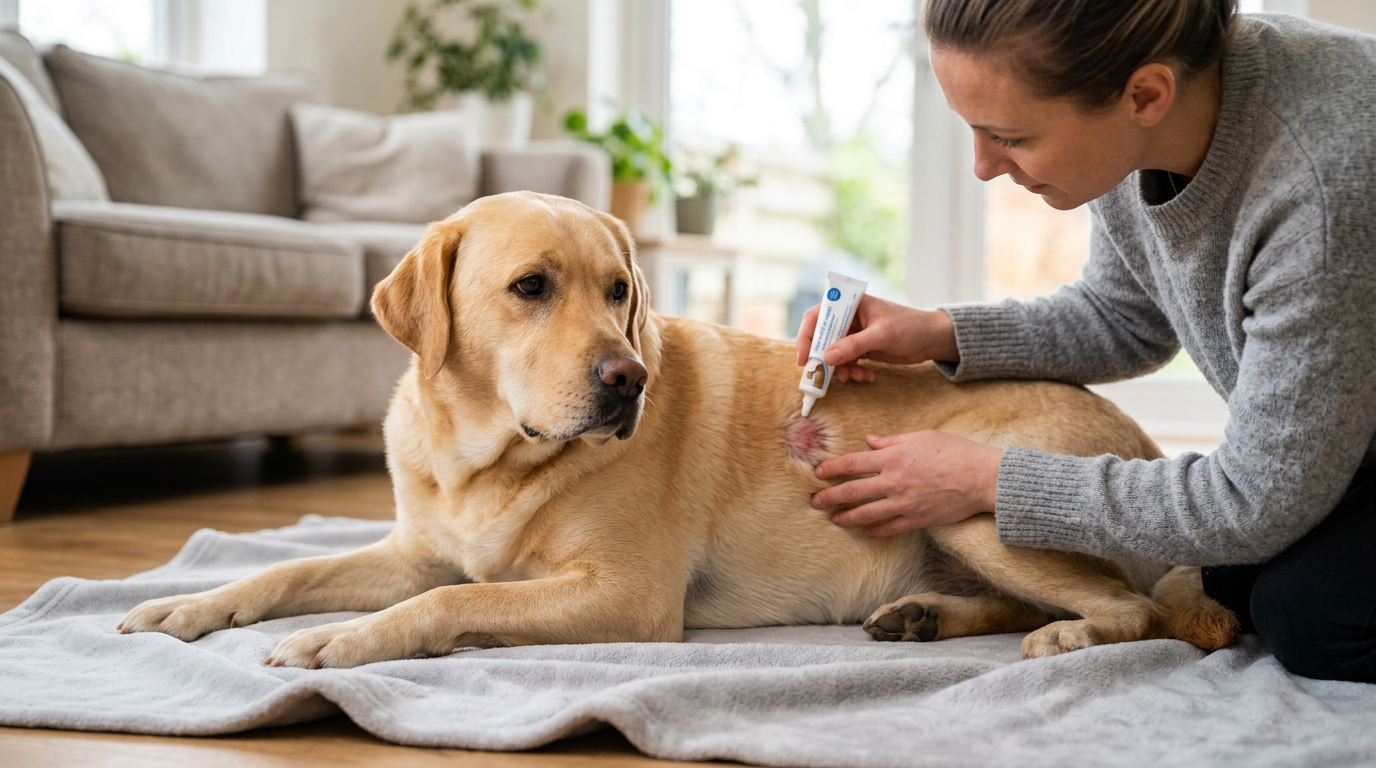
Hot spots on dogs, clinically defined as acute pyotraumatic dermatitis, manifest as rapidly progressing inflammatory lesions characterized by focal exudation and severe pruritus. This condition originates from a self-perpetuating trauma cycle—often initiated by allergies, parasites, or environmental moisture—that facilitates secondary bacterial proliferation, specifically Staphylococcus pseudintermedius. Identifying the underlying etiology remains critical when learning how to treat hot spots on dogs at home to prevent systemic recurrence. Effective management necessitates a multi-phasic protocol: immediate debridement of the affected site, application of antiseptic agents, and the utilization of targeted dog hot spot medicine to mitigate inflammatory responses.
This article delineates professional-grade treatment strategies and home remedies for hot spots on dogs, synthesizing clinical data from the Pet Disease Differential Diagnosis and Prevention Manual to provide a structured recovery roadmap. By adhering to these veterinary-standard interventions, pet owners can achieve rapid clinical resolution and preserve the canine epidermal barrier.
/* 目录整体样式:红色边框 + 浅灰色背景 */
.ai-table-of-contents {
background-color: #f7f7f7; /* 浅灰色背景 */
border: 2px solid #e63946; /* 预设红色边框 */
border-radius: 8px;
padding: 25px;
margin: 30px 0;
box-shadow: 0 4px 6px rgba(0,0,0,0.05);
}
.ai-toc-title {
font-size: 24px;
font-weight: bold;
color: #333;
margin-bottom: 20px;
border-bottom: 1px solid #ddd;
padding-bottom: 10px;
display: flex;
align-items: center;
}
/* 目录链接样式 */
.ai-toc-list {
list-style: none !important;
padding: 0 !important;
margin: 0 !important;
}
.ai-toc-item {
margin-bottom: 12px;
}
.ai-toc-link {
text-decoration: none;
color: #1a73e8; /* 专业蓝色链接 */
font-size: 20px; /* 链接字号 20px */
line-height: 1.4;
transition: color 0.3s ease;
display: block;
}
.ai-toc-link:hover {
color: #e63946; /* 悬停时变为边框红 */
text-decoration: underline;
}
/* 平滑滚动效果 */
html {
scroll-behavior: smooth;
}
/* 针对移动端的微调 */
@media (max-width: 768px) {
.ai-toc-link {
font-size: 18px;
}
}
The Root of the Itch: What Causes Hot Spots on Dogs?
To effectively manage and prevent recurrence, it is essential to understand that a “hot spot” is not a primary disease but a clinical symptom of acute pyotraumatic dermatitis. This condition is defined by a rapid-onset, self-induced inflammatory response. Physiologically, it begins when an initial skin insult—whether from a parasite, an allergen, or a micro-lesion—triggers an intense, localized pruritic (itchy) or painful sensation.
The Self-Trauma Cycle: Microbial Proliferation
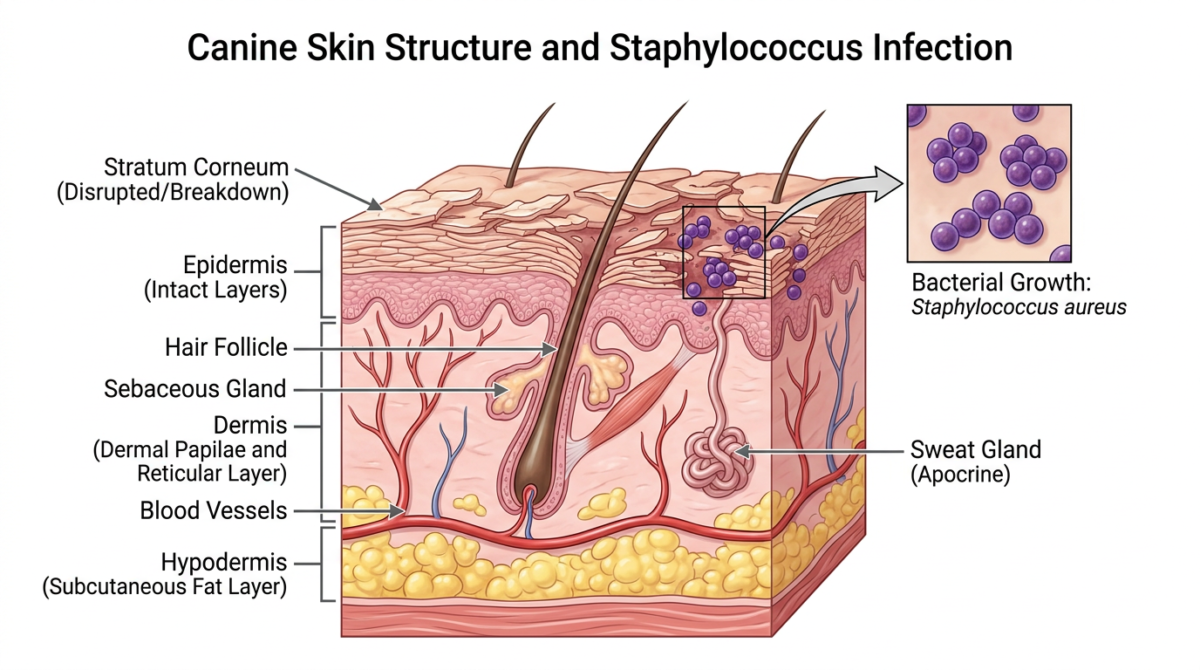
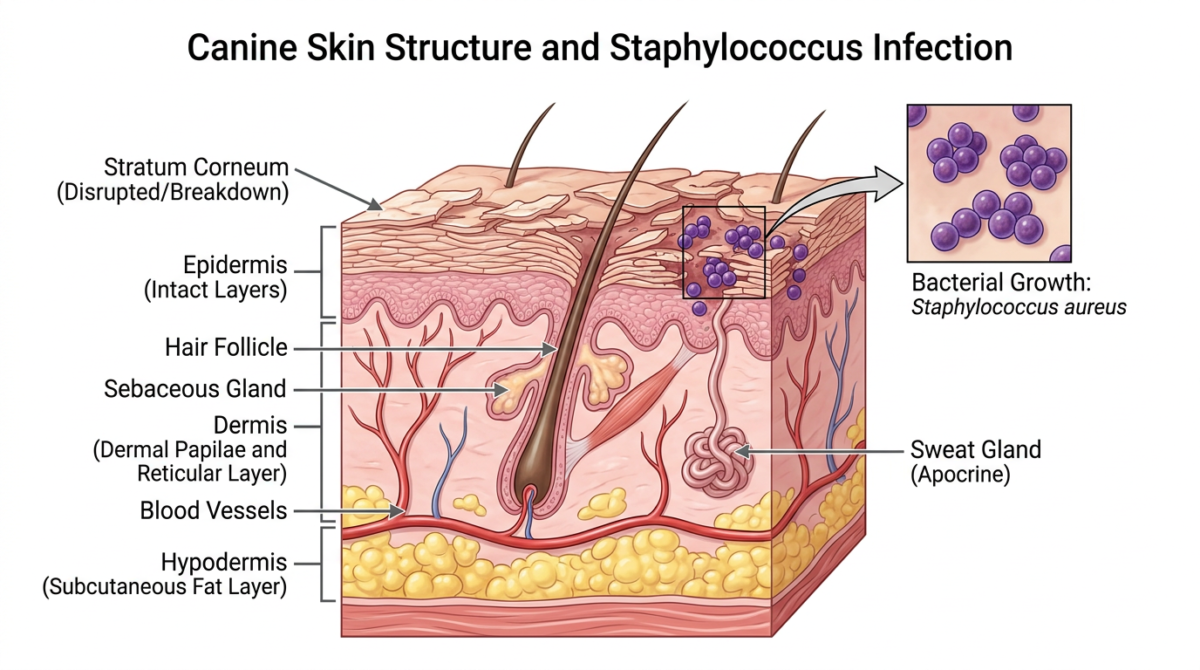
The clinical progression of a hot spot is remarkably swift, often evolving from a minor patch of redness to a significant, oozing lesion within just a few hours. This is driven by the “Self-Trauma Cycle.” When a dog experiences localized discomfort, its natural instinct is to lick, bite, or scratch the area incessantly. This mechanical trauma breaches the stratum corneum—the skin’s outermost protective barrier.
Once this barrier is compromised, the microenvironment becomes histologically inflamed, warm, and rich in moisture. This creates an ideal niche for opportunistic pathogens. Specifically, Staphylococcus pseudintermedius, a bacterium normally resident on canine skin in small numbers, begins to proliferate uncontrollably in the damaged tissue. This leads to secondary pyoderma and the characteristic purulent exudate that defines the condition.
Environmental and Biological Triggers
Understanding what causes hot spots on dogs requires identifying the specific catalyst that initiates the original itch. Clinical evidence points to several primary environmental and biological factors:
Flea Allergy Dermatitis (FAD): Even a single flea bite can trigger a systemic allergic reaction in sensitive dogs, leading to intense scratching at the base of the tail or on the flanks.
【Dog Skin Allergies: The Ultimate Guide to Treatment, Home Remedies & Diet】
Moisture Entrapment: Dogs with thick, double coats—such as Golden Retrievers or German Shepherds—are at significantly higher risk. High humidity or residual water after swimming can trap moisture against the skin. In environments where the temperature exceeds 72∘F, this trapped moisture macerates the skin, lowering the threshold for infection.
Localized Inflammatory Sources: Often, a hot spot on the cheek is secondary to otitis externa (ear infection), while spots near the hindquarters may indicate impacted anal sacs or a urinary tract irritation.
Behavioral Pathophysiology and Chronic Stress
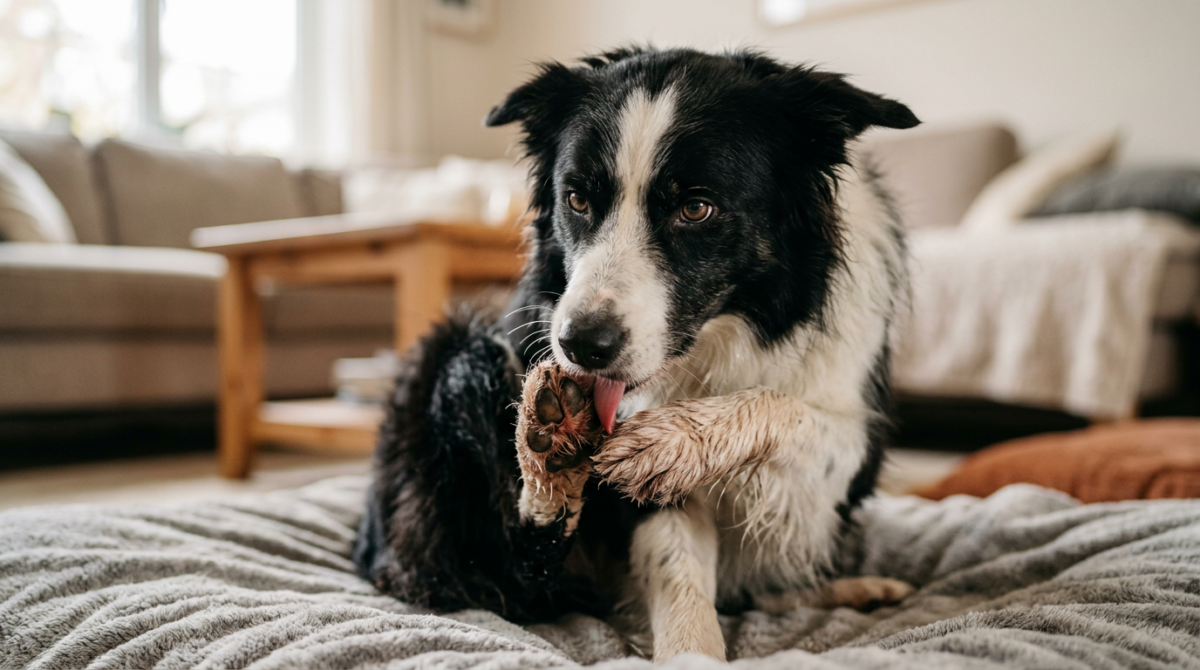
Beyond physiological triggers, the role of psychogenic factors is equally critical. Persistent licking can be a manifestation of “acral lick dermatitis,” often rooted in boredom, separation anxiety, or obsessive-compulsive behavior. In these cases, the repetitive action of licking releases endorphins, creating a self-soothing mechanism for the dog.
Furthermore, nutritional status plays a foundational role in the integrity of the skin. A diet deficient in essential Omega-3 and Omega-6 fatty acids can result in a “leaky” skin barrier, making the dog hypersensitive to environmental allergens. Ensuring a lipid-rich diet is not just about coat shine; it is a primary defense mechanism against the inflammatory cascades that lead to hot spots.
Professional Hot Spots on Dogs Treatment: Step-by-Step Home Care
Initiating a hot spots on dogs treatment protocol at home requires a disciplined, clinical approach to arrest bacterial colonization and facilitate epithelial repair. The primary objective is to transform the moist, anaerobic environment of the lesion into a dry, oxygenated state that inhibits the growth of Staphylococcus species.
Step 1: Clinical Debridement (The Shaving Protocol)
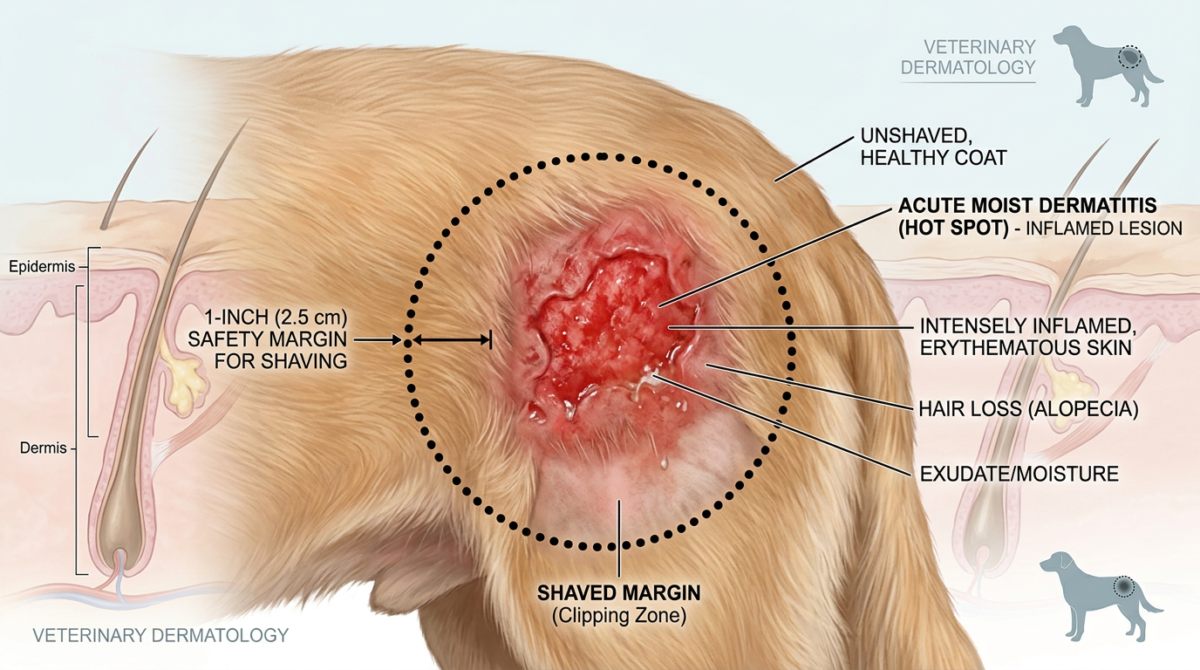
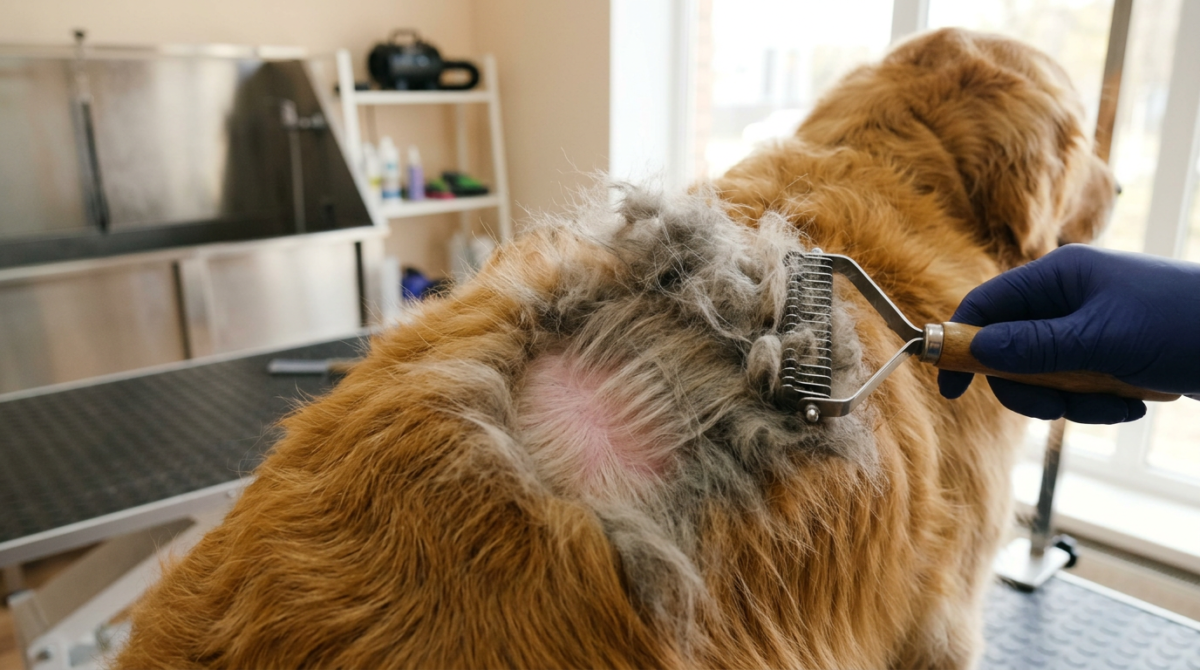
The most critical precursor to healing is the removal of matted, exudate-soaked hair. Fur acts as a “moisture trap,” shielding bacteria from topical agents and preventing essential airflow. Using professional-grade electric clippers, shave the hair around the lesion, maintaining a 1-inch perimeter of healthy skin. This “clear zone” allows for the monitoring of peripheral inflammation and prevents the mechanical spread of purulent discharge. Avoid using scissors, as the skin in acute pyotraumatic dermatitis is highly friable and prone to accidental lacerations.
Step 2: Antiseptic Lavage and Site Disinfection
Once the site is cleared, the wound must be decontaminated using targeted antiseptic agents. A 2% Chlorhexidine solution is the clinical gold standard due to its residual antimicrobial activity and low tissue toxicity. Alternatively, a highly diluted Povidone-iodine solution (tea-colored) can be utilized. Gently blot the area with sterile gauze—never rub, as mechanical friction can further compromise the dermal layers and exacerbate pain. The goal is to remove the “crust” and biofilm without inducing additional trauma to the underlying granulation tissue.
【Dog Symptom Checker: The Ultimate Emergency Health Checklist】
Step 3: Environmental Stabilization and Trauma Prevention
Post-cleansing, the biological environment must be regulated to suppress the inflammatory cascade. Keeping the dog in a climate-controlled environment—ideally maintained at or below 72∘F with low humidity—is essential to minimize sweat and sebum production that can fuel bacterial growth.
Furthermore, the “Self-Trauma Cycle” must be physically interrupted. The application of an Elizabethan collar (E-collar) is non-negotiable. Without physical restriction, a dog can undo hours of clinical progress in minutes by licking or biting the site, which reintroduces oral bacteria and mechanical irritation. For dogs exhibiting high stress during this phase, focus on maintaining a quiet, low-stimulus environment to lower cortisol levels, which can otherwise impede the immune system’s regenerative capacity.
Targeted Dog Hot Spot Medicine: Topical and Systemic Options for Hot Spots on for hot spots on dogs
Once the lesion has been clinically debrided and cleansed, the therapeutic focus must shift toward arresting the inflammatory cascade and reducing the microbial load. Selecting the appropriate dog hot spot medicine requires a nuanced understanding of the disease’s depth—differentiating between superficial symptomatic relief and systemic anti-infective therapy.
Topical Interventions: Breaking the Inflammatory Cycle
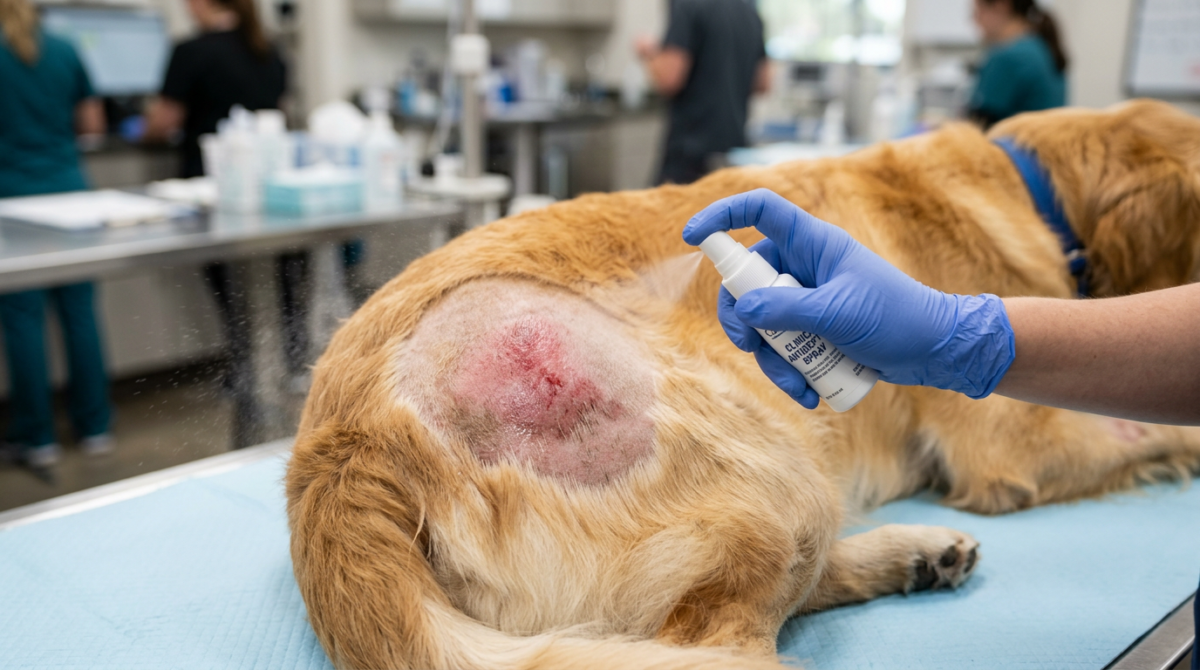
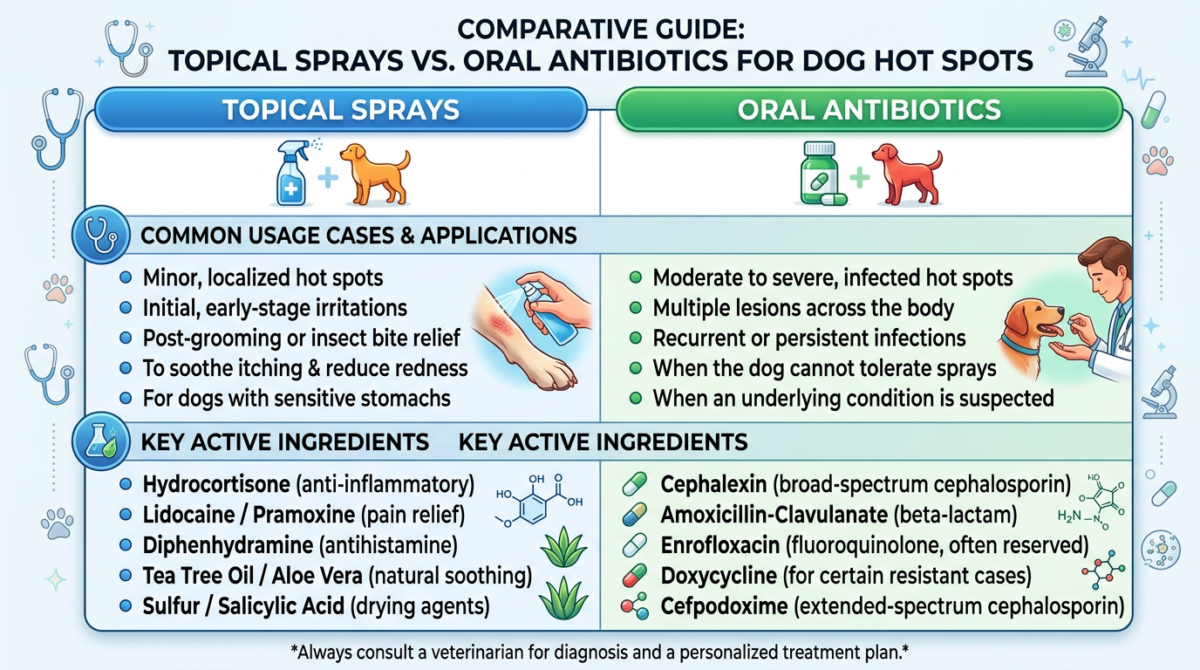
For localized, non-febrile cases, topical agents serve as the primary line of defense. The clinical gold standard involves a synergistic combination of corticosteroids and broad-spectrum antibiotics.
Hydrocortisone and Betamethasone: These corticosteroids are essential for immediate stabilization of the dermal environment. By inhibiting the release of pro-inflammatory cytokines, they suppress the intense pruritus that drives the self-trauma cycle.
Gentamicin and Neomycin: These aminoglycoside antibiotics demonstrate high efficacy against Staphylococcus pseudintermedius.
When selecting a delivery method, aqueous sprays or specialized foams are clinically superior to thick ointments. Ointments tend to occlude the wound, trapping metabolic heat and exudate, which paradoxically facilitates further bacterial proliferation. A drying, breathable environment is paramount for epithelial regeneration.
Systemic Therapy: Addressing Deep Pyoderma
In instances where the lesion exhibits signs of deep pyoderma—characterized by tissue induration (hardening), purple discoloration, or “satellite” lesions—topical treatment alone is often insufficient.
Systemic intervention is indicated if the dog’s rectal temperature exceeds 102.5∘F, suggesting a systemic inflammatory response. In these cases, first-generation cephalosporins, such as Cephalexin, or Amoxicillin-Clavulanate are the preferred pharmacological choices. These oral antibiotics must be administered for a minimum of 14 to 21 days. It is critical to continue the full course even after clinical resolution to prevent the emergence of multi-drug resistant bacterial strains.
【Safe Pain Relief & Medications for Dogs: The Science-Backed Safety Protocol 】
Drying Agents and the Role of Astringents
Maintaining a “dry” biological state is the most effective way to inhibit anaerobic bacterial growth. Astringents, such as Burow’s solution (aluminum acetate), are highly effective at coagulating proteins and reducing the volume of purulent discharge.
Once the “oozing” phase has subsided and a healthy scab begins to form, a protective, breathable barrier such as an aluminum-based spray can be utilized. This barrier isolates the healing tissue from environmental contaminants while allowing essential gas exchange. However, clinicians must avoid any formulations containing Zinc Oxide; while effective for humans, Zinc Oxide is potentially hemotoxic if ingested by a dog during self-grooming.
Science-Backed Home Remedies for Hot Spots on Dogs
While pharmacological intervention is the cornerstone of treating acute pyotraumatic dermatitis, specific home remedies for hot spots on dogs can serve as effective adjuncts. These natural approaches focus on two primary clinical goals: providing immediate symptomatic relief from pruritus and fortifying the dermal lipid barrier to prevent future microbial colonization.
The Astringent Power of Cooling Tea Compresses
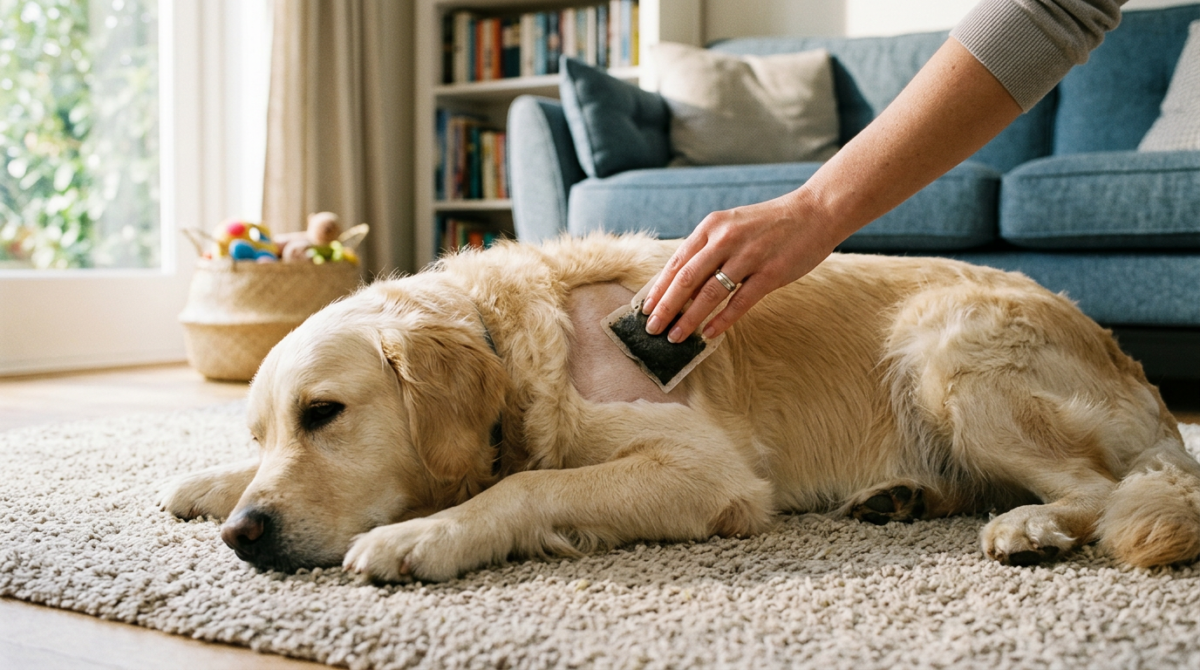
One of the most effective non-medicinal ways to manage a weeping lesion is through the application of black or green tea compresses. Teas contain high concentrations of tannic acid, a natural astringent that facilitates the coagulation of surface proteins and constricts blood vessels. This process effectively “dries out” the lesion and reduces the localized edema.
To apply, steep a tea bag in boiling water, then allow it to cool completely in the refrigerator. Apply the cold compress to the hot spot for 5 to 10 minutes, three times daily. The combination of the cool temperature and the tannic acid provides instant relief from the burning sensation, significantly lowering the dog’s urge to scratch.
Apple Cider Vinegar (ACV): Microbial Control and pH Balancing
Apple cider vinegar is often utilized for its mild antimicrobial properties and its ability to restore the skin’s natural acid mantle. Bacterial pathogens like Staphylococcus thrive in alkaline environments; by lowering the skin’s pH, ACV creates a hostile environment for bacterial proliferation.
However, a strict clinical protocol must be followed: ACV should always be diluted with water at a 1:1 ratio and should never be applied to raw, bleeding, or ulcerated skin. Doing so will cause intense stinging and may exacerbate the inflammatory response. For closed but irritated skin, a diluted ACV mist can help stabilize the microbial flora during the recovery phase.
【Dog Skin Allergies: The Ultimate Guide to Treatment, Home Remedies & Diet 】
Systemic Skin Barrier Support: Essential Fatty Acids
Long-term resolution of skin issues depends on the integrity of the epidermal lipid barrier. Dogs with chronic hot spots often suffer from sub-clinical deficiencies in Omega-3 and Omega-6 fatty acids. These lipids are essential for maintaining the “bricks and mortar” structure of the skin cells, preventing environmental allergens from penetrating the deeper dermal layers.
Integrating high-quality fish oil (rich in EPA and DHA) or flaxseed oil into the dog’s diet has been clinically observed to reduce systemic inflammation. By bolstering the skin’s innate defenses, owners can decrease the hypersensitivity that leads to the initial scratch-itch cycle. Maintaining a dietary environment that supports skin health is a foundational preventive measure against the recurrence of acute dermatitis.
When Home Care Isn’t Enough: Clinical Indicators for a Vet Visit for hot spots on dogs
While many acute pyotraumatic dermatitis cases resolve with diligent topical management, certain clinical markers indicate that the infection has bypassed the superficial layers of the epidermis. Recognizing these “red flags” is vital to preventing systemic sepsis or permanent dermal scarring. When the pathology shifts from a localized “hot spot” to a systemic or deep-seated infection, professional veterinary intervention becomes a medical necessity.
Systemic Infection and Fever Monitoring
The most objective indicator of a worsening condition is the dog’s systemic physiological response. Home care is primarily intended for localized lesions where the dog remains otherwise bright, alert, and responsive. However, if the inflammatory cytokines enter the bloodstream, the dog will develop a fever.
Using a pediatric rectal thermometer, monitor your dog’s temperature twice daily during treatment. A normal canine temperature ranges from 101.0∘F to 102.5∘F. If the reading exceeds 102.5∘F, it suggests the body is fighting a systemic infection. This hyperthermia is often accompanied by lethargy, anorexia (loss of appetite), or depression—all of which are immediate triggers for a clinical exam.
Identifying Deep Pyoderma and Cellulitis
As the infection progresses, it may transition from a superficial hot spot to deep pyoderma or cellulitis. This involves the infection of the deeper dermis and even the subcutaneous fat layers. Clinical signs that the infection has deepened include:
Induration: The skin under and around the hot spot feels thick, hard, or “leathery” rather than soft and pliable.
Purple Discoloration: A shift from bright red inflammation to a dark purple or “bruised” appearance indicates tissue necrosis or severe vascular compromise.
Hemorrhagic Discharge: While hot spots are typically characterized by yellow or clear serous exudate, the presence of frank blood or an offensive, rotting odor indicates a more aggressive bacterial population that requires culture and sensitivity testing.
【多媒体建议:superficial-vs-deep-infection-guide.png | Alt: 表浅性热点与深层脓皮症症状对比图 | AI 提示词: Side-by-side comparison diagram of a superficial dog hot spot vs. deep cellulitis, showing color changes, skin thickness, and discharge types, professional veterinary style.】
The 48-Hour Clinical Rule
The efficacy of hot spots on dogs treatment at home should be evident within 24 to 48 hours. If the protocol—including shaving, cleaning, and applying dog hot spot medicine—does not result in the lesion drying out or the periphery of the redness receding within this window, the treatment plan has failed.
Non-responsive lesions often mask underlying issues that cannot be resolved at home, such as deep-seated fungal infections, sarcoptic mange, or foreign bodies (like grass awns) embedded in the tissue. In these instances, a veterinarian will perform a skin scraping or a fine-needle aspirate to determine the exact etiology and adjust the pharmacological approach accordingly.
【Dog Symptom Checker: The Ultimate Emergency Health Checklist】
Proactive Prevention: How to Stop Hot Spots Before They Start for hot spots on
Achieving clinical resolution of a hot spot is only the first half of the battle; the second is ensuring the “Self-Trauma Cycle” does not re-initiate. Prevention requires a multi-dimensional approach that addresses the dog’s external environment, physiological skin integrity, and behavioral health. By stabilizing these factors, you can effectively raise the threshold at which irritation turns into a pathological lesion.
The Critical Role of Coat Hygiene and Moisture Control
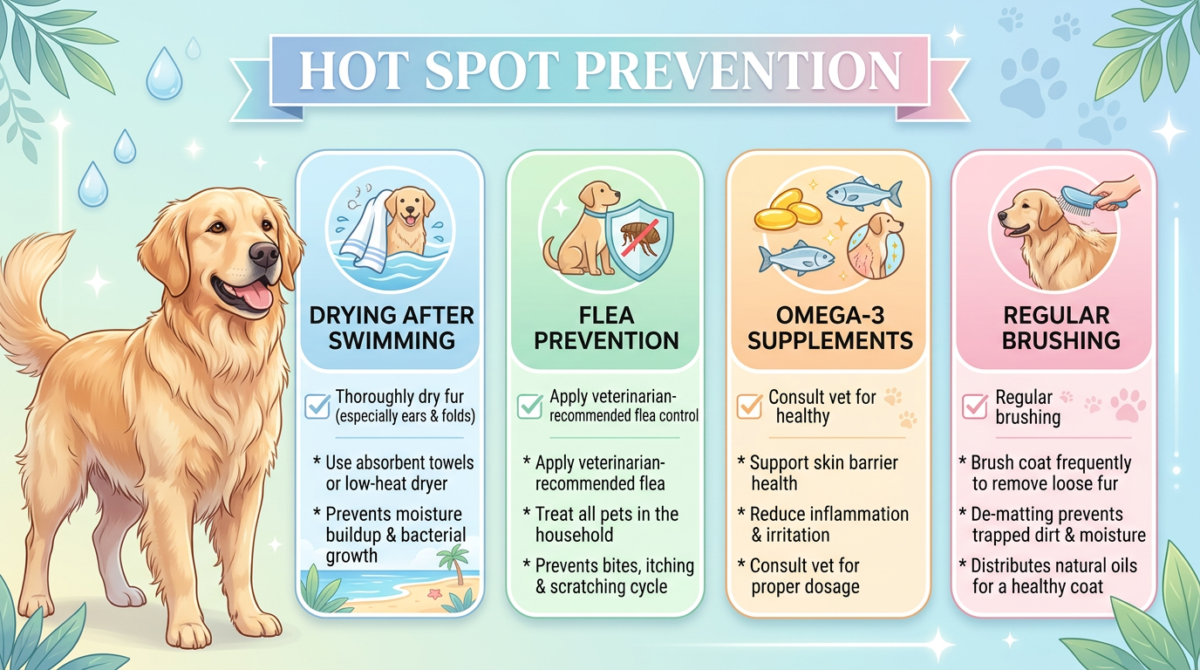
Since moisture entrapment is a primary catalyst for bacterial overgrowth, maintaining a dry and aerated coat is paramount. For long-haired or double-coated breeds, regular professional grooming is not merely cosmetic—it is a medical necessity. Removing dead undercoat and preventing “matted fur” ensures that air can reach the epidermal surface, preventing the warm, damp microclimate where Staphylococcus thrives.
After any exposure to water—whether from swimming, bathing, or walking in the rain—ensure the dog is dried down to the skin. Utilizing a high-velocity dryer on a cool setting is far more effective than towel-drying alone for breeds with dense coats.
Nutritional Fortification: Building a Resilient Skin Barrier
A dog’s skin is its largest organ and its first line of defense. Clinical nutrition data suggests that a skin barrier lacking essential fatty acids is significantly more prone to microscopic fissuring and allergen penetration. To fortify this barrier, a diet rich in bioavailable Omega-3 fatty acids (specifically EPA and DHA from marine sources) is recommended.
In addition to fatty acids, ensuring adequate levels of Zinc and Vitamin E can enhance the rate of epithelial cell turnover. A resilient, hydrated skin barrier is less reactive to environmental triggers, meaning a minor flea bite or a grass allergy is less likely to escalate into a full-scale hot spot.
【Dog Skin Allergies: The Ultimate Guide to Treatment, Home Remedies & Diet】
Environmental and Parasite Vigilance
Systemic parasite prevention is the most effective way to eliminate the most common cause of hot spots: Flea Allergy Dermatitis (FAD). Even in the absence of a visible infestation, a single bite can trigger an inflammatory response in hypersensitive dogs. Maintaining a year-round, veterinary-approved flea and tick protocol is essential.
Additionally, consider the dog’s behavioral environment. If the initial licking is rooted in boredom or anxiety, increasing environmental enrichment—such as interactive puzzle toys or increased physical exercise—can redirect the dog’s focus away from self-mutilation. Monitoring the dog’s “hot spot zones” (the paws, hips, and neck) during high-pollen seasons or periods of high humidity allows for early intervention before a lesion becomes exudative.
FAQ (People Also Ask)
Q1: How long do hot spots take to heal with home treatment? With a disciplined home care protocol—including localized debridement and consistent application of dog hot spot medicine—most superficial lesions will begin to dry out within 48 hours. Complete epithelial regeneration and hair regrowth typically occur within 7 to 14 days. If the lesion remains exudative (oozing) or continues to expand after 3 days of treatment, it may indicate a deep-seated pyoderma requiring systemic intervention.
Q2: Can I use human Neosporin on my dog’s hot spot? While the triple-antibiotic components in Neosporin (Bacitracin, Neomycin, and Polymyxin B) are generally safe for minor canine abrasions, they are often insufficient for acute hot spots. The petroleum base of ointments can trap moisture and heat against the skin, creating an anaerobic environment that facilitates further bacterial proliferation. For hot spots on dogs treatment, aqueous sprays or specialized foams are clinically preferred over heavy human ointments.
Q3: Is a hot spot contagious to other dogs or humans? No, a hot spot itself is a localized inflammatory response and is not contagious. However, the underlying etiology—such as a flea infestation, sarcoptic mange, or fungal ringworm—can be highly transmissible to other pets and, in some cases, humans. It is essential to identify the primary trigger to ensure the safety of the entire household.
Conclusion & CTA
Successfully managing hot spots on dogs requires a swift transition from identifying the initial trauma to implementing a sterile, dry recovery environment. By prioritizing early clinical debridement and utilizing science-backed home remedies for hot spots on dogs, owners can effectively arrest the “Self-Trauma Cycle” before systemic complications arise. Remember, the cornerstone of dermatological recovery is maintaining a dry lesion and strictly preventing further mechanical irritation through the use of an Elizabethan collar.
Consistency is key—monitor the site daily for changes in temperature or discharge. If you observe signs of deep-seated infection, consult your veterinarian immediately to prevent permanent dermal damage.
Is your dog showing other signs of skin distress? Download our [Complete Canine Skin Health Checklist] now to identify potential issues before they become emergencies.
📚 References
- US Food and Drug Administration. “Human User Safety in New and Abbreviated New Animal Drug Applications (CVM GFI #278).” June 2024.
- US Food and Drug Administration. “Defining Durations of Use for Approved Medically Important Antimicrobial Drugs (CVM GFI #273).” September 2023.
Skin issues in dogs can be uncomfortable. Learn more about Dog Skin Allergies: Ultimate Guide to Relief and Care for effective relief.
Conclusion
Skin problems in dogs are often manageable with the right combination of veterinary care, dietary adjustments, and home management. By identifying triggers, maintaining good skin hygiene, and following your vet’s treatment plan consistently, you can help your dog find relief from itching and discomfort. Remember that healthy skin is a reflection of your dog’s overall well-being.