
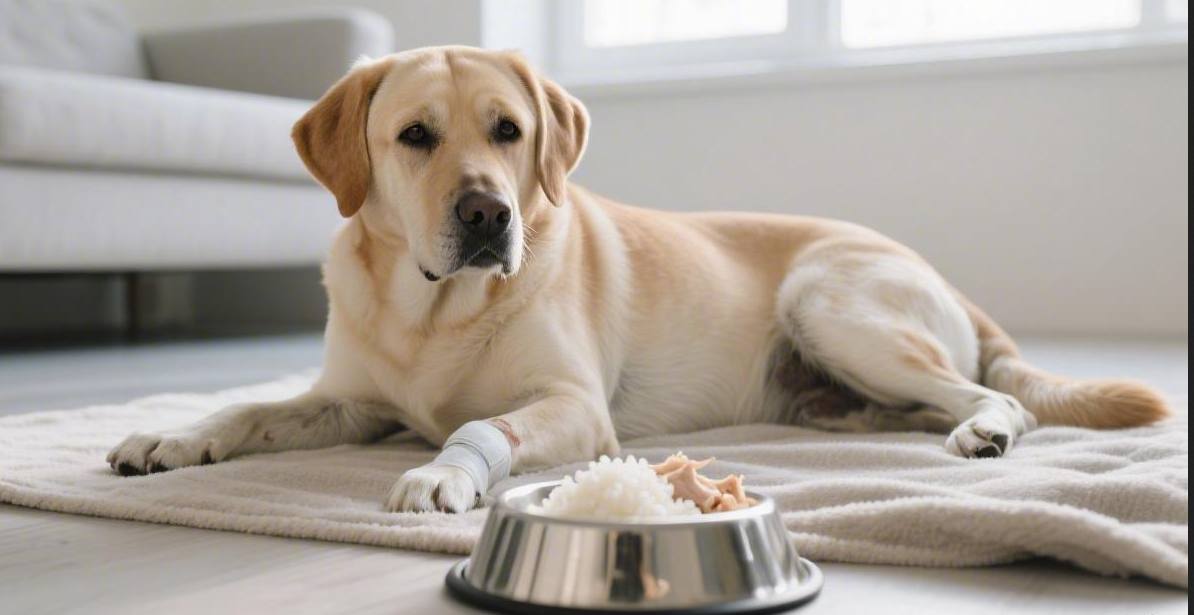
- 1. 1. What to Feed a Dog with Diarrhea at Home (Vet-Approved First Foods)
- 2. 2. How Long to Feed a Bland Diet for Dog Diarrhea (And When to Transition Back) for what to feed for what to feed a
- 3. 3. Causes of Dog Diarrhea: When Diet Is Not the Primary Problem
- 4. 4. Critical Red Flags: When Home Feeding Is No Longer Appropriate
- 5. 5. Evidence-Based Home Management Plan for Mild Dog Diarrhea
- 6. 6. Frequently Asked Questions About Feeding a Dog with Diarrhea (Evidence-Based Clarifications)
- 7. 7. Conclusion: Clinical Decision-Making When Feeding a Dog with Diarrhea
html {
scroll-behavior: smooth;
}
.toc-container {
background-color: #f2f2f2;
border: 2px solid #c40000;
padding: 20px;
margin: 30px 0;
border-radius: 6px;
}
.toc-title {
font-size: 22px;
font-weight: bold;
margin-bottom: 15px;
}
.toc-container ul {
list-style-type: none;
padding-left: 0;
margin: 0;
}
.toc-container li {
margin-bottom: 12px;
}
.toc-container a {
text-decoration: none;
font-size: 20px;
color: #333;
}
.toc-container a:hover {
color: #c40000;
text-decoration: underline;
}
- 1. What to Feed a Dog with Diarrhea at Home (Vet-Approved First Foods)
- 2. How Long to Feed a Bland Diet for Dog Diarrhea (And When to Transition Back)
- 3. Causes of Dog Diarrhea: When Diet Is Not the Primary Problem
- 4. Critical Red Flags: When Home Feeding Is No Longer Appropriate
- 5. Evidence-Based Home Management Plan for Mild Dog Diarrhea
- 6. Frequently Asked Questions About Feeding a Dog with Diarrhea (Evidence-Based Clarifications)
- 7. Conclusion: Clinical Decision Making When Feeding a Dog with Diarrhea
- References
Wondering what to feed dog with diarrhea?
Acute canine diarrhea represents a disruption of intestinal fluid absorption and motility, clinically categorized by frequency, fecal consistency, and the presence of systemic compromise; determining what to feed dog with diarrhea is a dietary management question secondary to pathophysiologic assessment.
Wondering what to feed dog with diarrhea? This report outlines the Clinical Presentation, including stool character, hydration status, appetite, and concurrent vomiting; evaluates principal Etiological Factors such as dietary indiscretion, abrupt diet change, infectious enteritis, parasitism, pancreatitis, and stress-related colitis; and provides a structured Diagnostic Overview integrating history, physical examination, fecal analysis, and selective laboratory testing.
Nutritional intervention is addressed within a risk-stratified framework: short-term fasting (when appropriate), controlled reintroduction of a bland, low-fat, highly digestible diet, and monitored transition to maintenance feeding.
Critical Red Flags—hematochezia or melena, persistent vomiting, marked lethargy, dehydration, abdominal pain, or diarrhea exceeding 48 hours—warrant immediate veterinary evaluation. Management decisions must be guided by objective findings, not anecdotal feeding practices.
1. What to Feed a Dog with Diarrhea at Home (Vet-Approved First Foods)
When determining what to feed a dog with diarrhea at home, the decision must follow physiologic assessment, not guesswork. Acute diarrhea reflects disrupted intestinal absorption, increased secretion, or altered motility. Diet is therapeutic only when systemic stability is confirmed.
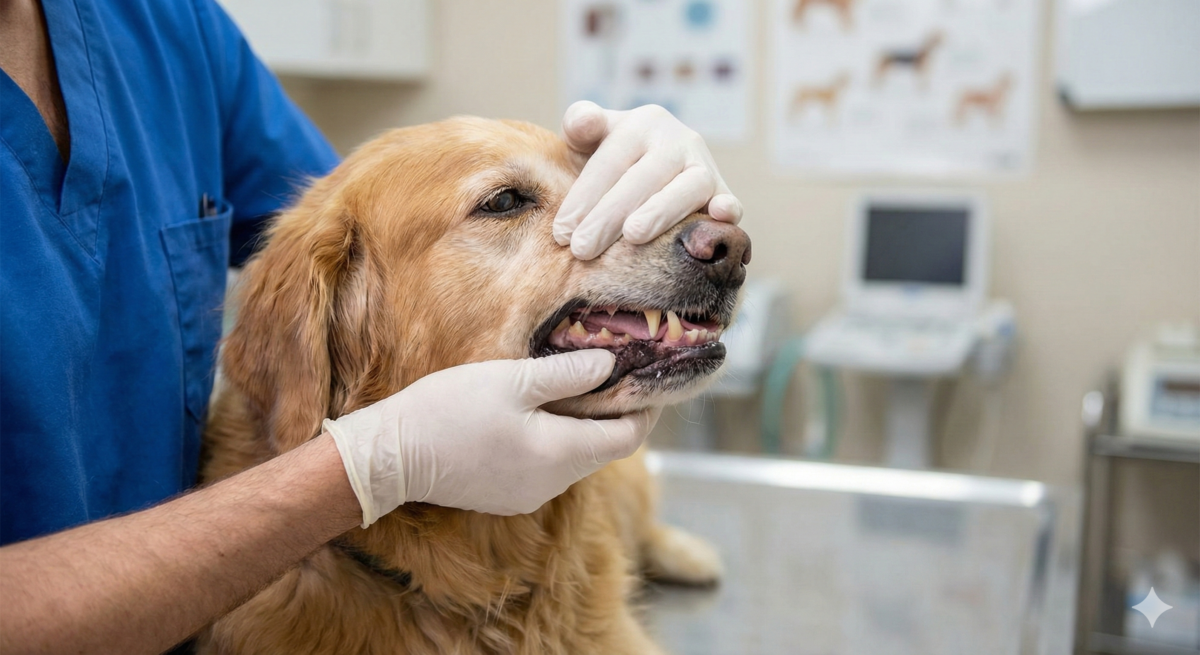
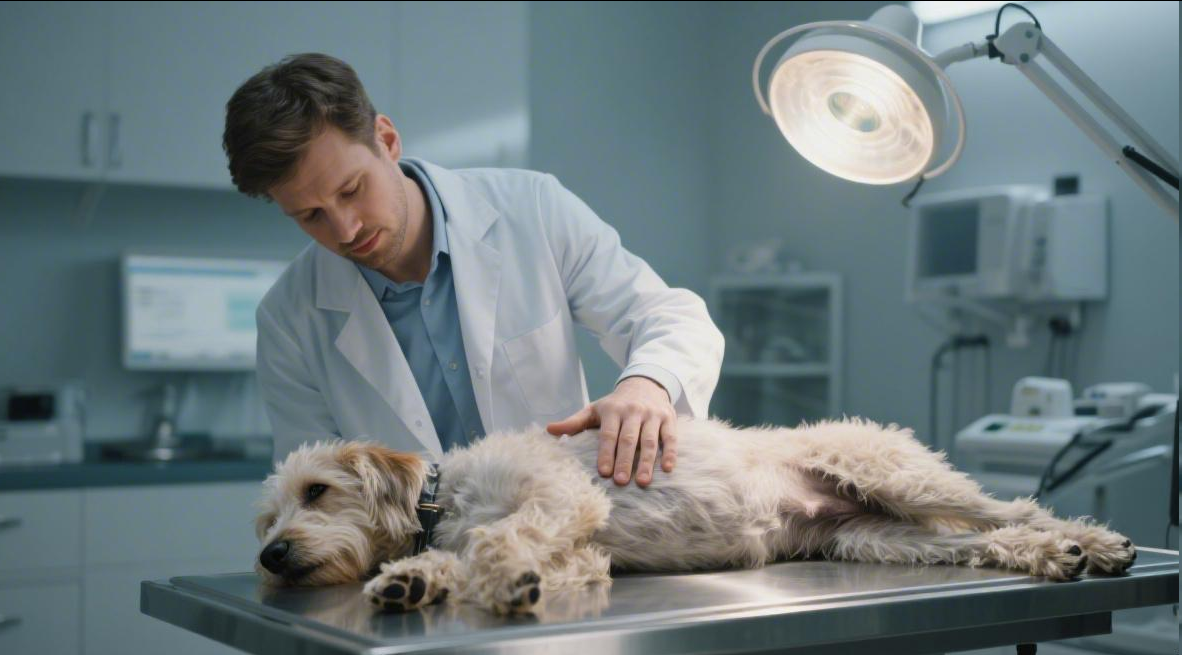
In clinical evaluation, I first assess hydration and perfusion. Press the gingiva firmly: capillary refill should occur within 2 seconds, returning to a healthy pink. Pale, gray, or tacky gums indicate dehydration or circulatory compromise. On abdominal palpation, mild fluid-filled intestinal loops with soft compliance are typical of uncomplicated “Garbage Gut.” Guarding, rigidity, or pain upon deep palpation suggests pancreatitis, obstruction, or inflammatory enteropathy—conditions where home feeding trials are inappropriate.
If the dog remains bright, afebrile (normal range approximately 101–102.5°F), and without persistent vomiting, dietary management is reasonable.
Bland Diet for Dogs with Diarrhea (Chicken and Rice Ratio)
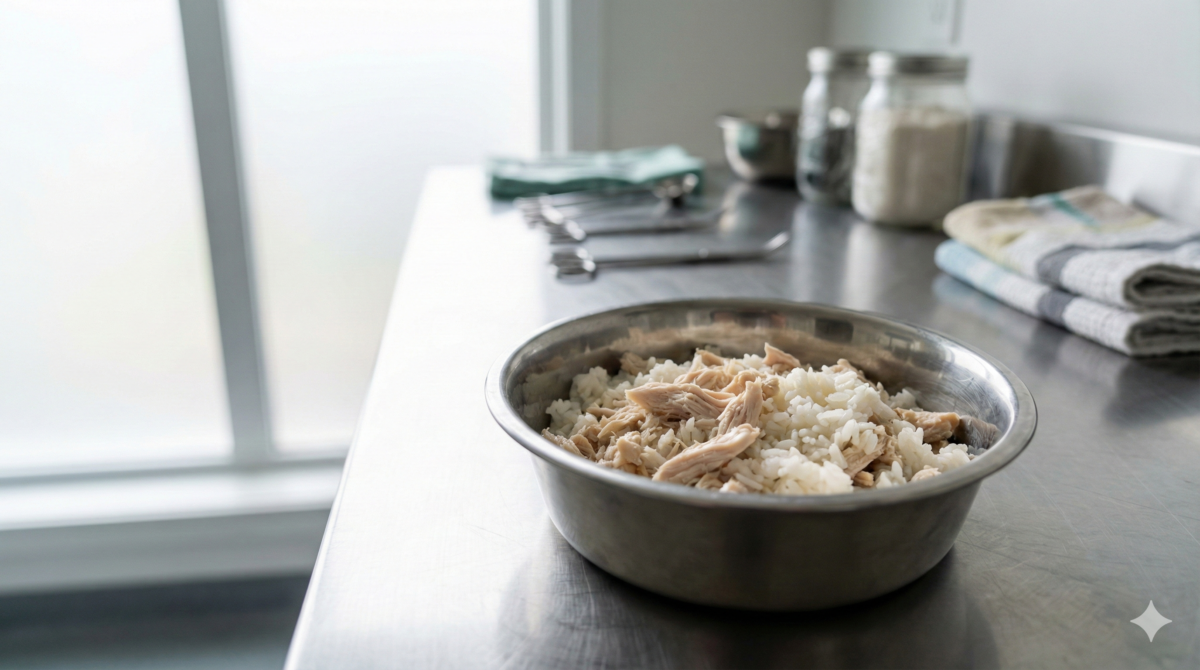
The cornerstone bland diet for dogs with diarrhea consists of:
1 part boiled, skinless chicken breast
2 parts fully cooked white rice
The logic is biochemical. Lean poultry minimizes fat-triggered pancreatic stimulation. White rice provides easily digestible starch with minimal insoluble fiber residue. High-fat foods prolong gastric emptying and may exacerbate intestinal secretion.
Feed small portions every 4–6 hours. I typically begin at 25–50% of the dog’s usual meal volume per feeding during the first 24 hours. Overfeeding remains a frequent cause of prolonged diarrhea. Dogs prone to “Scarfing and Barfing” should be hand-fed or offered shallow-plate portions to prevent rapid gastric distention.
If vomiting preceded diarrhea, withhold food for 8–12 hours (adult dogs only) while maintaining small water access. Toy breeds under 10 lb require shorter fasting due to hypoglycemia risk.
Is Pumpkin Good for Dogs with Diarrhea?
Plain canned pumpkin (not pie filling) may benefit cases of large-bowel diarrhea characterized by frequent, small-volume stool with mucus. Its soluble fiber content absorbs excess water and supports stool formation.
General dosing:
Under 20 lb: 1–2 teaspoons per meal
20–50 lb: 1–2 tablespoons
Over 50 lb: up to 3 tablespoons
Pumpkin is not universally indicated. In small-intestinal diarrhea—large-volume, watery stool, often accompanied by weight loss—excess fiber may increase cramping.
Exposure to “Germs and Dangers in the Outdoors,” dietary indiscretion, or mild stress colitis often responds to short-term fiber support. However, lethargy, persistent vomiting, or melena constitute Critical Red Flags.
If symptom patterns are unclear, a structured triage review such as Dog Symptom Checker: The Ultimate Emergency Health Checklistcan assist in determining whether emergency care is indicated.
Alternative Protein and Carbohydrate Options
If chicken sensitivity is suspected, alternatives include:
Boiled lean ground turkey (drained thoroughly)
Plain scrambled eggs cooked without oil
Boiled white potatoes (skin removed, unsalted)
Eggs can be acceptable in small amounts but must remain low-fat. I avoid dairy products; intestinal lactase activity declines during inflammation, increasing osmotic diarrhea risk.
Commercial “sensitive stomach” formulas may be introduced after stabilization but are unnecessary during the initial 24–48 hours if the dog is stable.
What Not to Feed a Dog with Diarrhea
Avoid:
Fatty meats
Table scraps
Bones
Milk or cheese
Commercial treats
Raw diets during active symptoms
High-fat ingestion increases pancreatic stimulation and may precipitate pancreatitis, particularly in dogs over 40 lb or those with prior “Garbage Gut” episodes.
Home Monitoring Parameters
Track:
Stool frequency and character
Gum moisture and color
Energy level
Abdominal discomfort
Duration (greater than 48 hours is concerning)
Temperature above 103°F, persistent vomiting, black stool, weakness resembling a “Dishrag,” or refusal to drink are Critical Red Flags requiring immediate evaluation.
Most uncomplicated cases resolve within 24–72 hours when dietary management is measured and controlled. If they do not, fecal testing, bloodwork, and abdominal imaging become clinically justified.
Food is supportive therapy—but only after proper assessment.
2. How Long to Feed a Bland Diet for Dog Diarrhea (And When to Transition Back) for what to feed for what to feed a for what to feed a for what to feed
Once a dog has started a bland diet, the next clinical question is timing—how long to feed bland diet dog diarrhea without delaying recovery or masking an underlying disorder. Duration depends on stool response, hydration status, appetite, and the presence—or absence—of Critical Red Flags.
In straightforward cases of dietary indiscretion (“Garbage Gut”), improvement should be visible within 24–48 hours. Stool transitions from watery to soft-formed, frequency decreases, and abdominal sounds quiet. On palpation, intestinal loops feel less fluid-distended. The dog’s posture normalizes; no hunched guarding, no reluctance to move.
If stool remains profusely watery beyond 48 hours, or if the dog becomes lethargic, febrile (above 103°F), or painful on abdominal palpation, diet alone is no longer appropriate management.
Typical Recovery Timeline
First 24 hours:
Small, frequent bland meals. Stool may still be loose but should show decreasing urgency. Vomiting should be absent. Energy level should remain stable.
24–48 hours:
Stool begins to gain structure. Frequency declines. Appetite improves. Gum moisture remains normal. The dog should not appear weak or “Dishrag”-like.
48–72 hours:
Formed stool is expected in uncomplicated cases. At this stage, gradual reintroduction of the regular diet can begin.
If you are seeing ongoing vomiting alongside diarrhea, especially bile-stained or foamy fluid with a thick, mucous consistency, review broader symptom patterns in (Dog Vomiting and Diarrhea: When to Worry and What to Do)(https://animalintent.com/dog-vomiting-and-diarrhea/) to determine whether diagnostics are warranted.
Transitioning Back to Regular Food (Gradual Reintroduction Plan)
Abruptly switching back to the original diet often restarts inflammation. The intestinal epithelium requires time to normalize enzyme production and absorptive function.
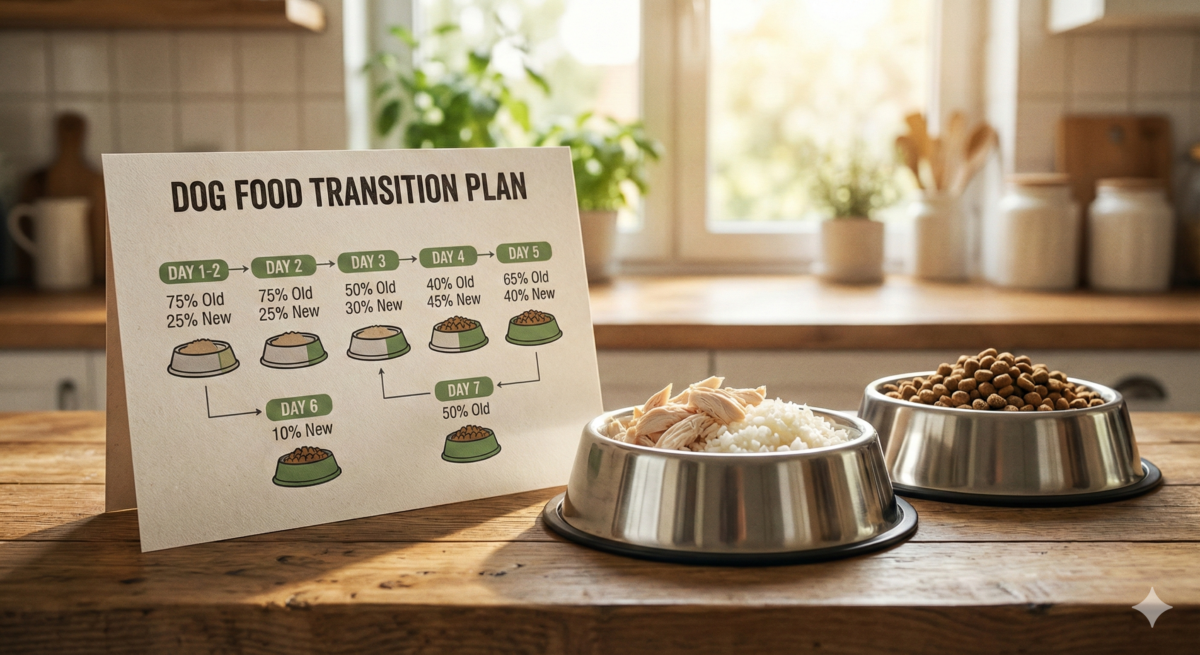
Recommended 4-day transition:
Day 1: 75% bland diet + 25% regular food
Day 2: 50% bland + 50% regular
Day 3: 25% bland + 75% regular
Day 4: 100% regular diet
Monitor stool at every step. If softening recurs, pause at the previous ratio for 24 hours before advancing.
In dogs with a history of recurrent diarrhea after diet change, I evaluate for food intolerance, inflammatory bowel disease, or exocrine pancreatic insufficiency. Repeated relapse after transitions is not normal.
What If the Dog Has Diarrhea but Is Not Eating?
A common concern is dog diarrhea not eating but drinking water. Appetite suppression for 12–24 hours can occur due to mild nausea. However, refusal to eat beyond 24 hours requires closer evaluation.
In-clinic assessment includes:
Gum moisture and capillary refill
Skin tent test for dehydration
Abdominal palpation for pain or tension
Temperature measurement
If the abdomen feels tense or the dog reacts sharply to palpation, pancreatitis or obstruction must be considered. A dog who drinks but does not eat may be compensating for fluid loss but still deteriorating metabolically.
Clear indicators for immediate evaluation:
Repeated vomiting
Bloody stool (bright red or black/tarry)
Weakness or collapse
Refusal to drink
Weight under 5 lb (toy breeds dehydrate rapidly)
Bland diet therapy assumes appetite is present. Without voluntary intake, medical support—including subcutaneous or intravenous fluids—may be required.
How Much to Feed a Dog with Diarrhea
Owners often ask about portion size. Excess volume overwhelms compromised intestines.
General principle:
Feed ¼–½ normal meal size per feeding
Increase frequency (every 4–6 hours) rather than volume
For a 40 lb dog normally consuming 2 cups per meal twice daily, I begin with ½ cup per feeding, divided into four feedings per day.
Stool quality—not appetite—dictates advancement. If stool softens after increasing portions, reduce volume again.
Dogs prone to “Scarfing and Barfing” benefit from:
Hand feeding
Shallow dishes
Feeding mats that slow intake
Rapid ingestion increases gastric distention and may trigger vomiting, especially after gastrointestinal irritation.
When Bland Diet Is Not Enough
Persistent diarrhea beyond 72 hours, even with strict dietary control, shifts the differential diagnosis toward:
Parasitic infection
Bacterial overgrowth
Dietary intolerance
Pancreatitis
Early inflammatory bowel disease
Ingestion of “Household Poisons” or other Hidden Dangers
At that stage, fecal flotation, Giardia antigen testing, complete blood count, and serum chemistry become medically appropriate.
Diet should not be extended indefinitely without improvement. Prolonged feeding of chicken and rice alone may lead to nutritional imbalance if used beyond 5–7 days.
Practical Clinical Summary
For uncomplicated acute diarrhea:
Bland diet duration: 2–3 days
Improvement expected within 48 hours
Gradual 4-day transition back to regular food
Strict monitoring for Critical Red Flags
If improvement is absent, appetite declines, or systemic signs develop, dietary management must yield to diagnostic investigation.
Food supports recovery—but duration, portion control, and objective reassessment determine whether it heals or delays appropriate care.
3. Causes of Dog Diarrhea: When Diet Is Not the Primary Problem
Before continuing dietary management, it is essential to address a core diagnostic principle: not all diarrhea is nutritional. When evaluating causes of dog diarrhea, diet may be a trigger—but frequently it is not the root pathology.
In clinical practice, I divide diarrhea into small-intestinal versus large-intestinal patterns, because that distinction guides both feeding strategy and diagnostic escalation.
Small-intestinal diarrhea typically presents with:
Large stool volume
Watery consistency
Weight loss if chronic
Occasional melena (black stool)
Mild abdominal discomfort
Large-intestinal diarrhea (colitis pattern) presents with:
Frequent, small-volume stool
Mucus
Bright red streaks of blood
Straining
Understanding pattern recognition prevents over-reliance on bland diets when systemic disease is developing.
Dietary Indiscretion (“Garbage Gut”)
The most common acute trigger remains dietary indiscretion—trash ingestion, high-fat table scraps, sudden food change.
Owners often describe the episode beginning after:
Access to garbage
Holiday meals
New treats
Boarding stays
In these cases, abdominal palpation usually reveals soft, mildly fluid-filled intestines without focal pain. The dog remains alert. Temperature remains within normal limits (101–102.5°F).
These cases often respond within 48 hours to controlled bland feeding.
However, if vomiting becomes repetitive, abdominal palpation elicits guarding, or the dog adopts a hunched posture, pancreatitis must be ruled out. Fat-heavy exposure can escalate rapidly in medium to large breeds over 40 lb.
If you suspect a broader systemic pattern rather than simple food upset, review structured warning criteria in (Dog Emergency Symptoms Every Owner Should Know)(https://animalintent.com/dog-emergency-symptoms/) before delaying care.
Parasites and “Germs and Dangers in the Outdoors”
Dogs exposed to communal environments—dog parks, boarding facilities, hiking trails—are at risk of parasitic and microbial pathogens.
Common culprits:
Giardia
Coccidia
Roundworms
Hookworms
Clinical presentation may include:
Foul odor
Mucus
Intermittent soft stool
Weight stagnation in puppies
Palpation often feels normal. However, stool character may fluctuate unpredictably despite diet consistency.
Fecal flotation and antigen testing are inexpensive and diagnostically efficient. A bland diet alone will not eradicate parasitic infection.
Food Intolerance vs Food Allergy
Chronic soft stool triggered consistently by a specific protein suggests dietary intolerance. True food allergy is less common and usually includes dermatologic signs—itching, ear infections, paw licking.
In food intolerance:
Energy remains normal
No fever
No systemic depression
Stool improves when the offending protein is removed
Elimination diets require 8–12 weeks of strict compliance. Short-term chicken and rice trials are diagnostic only for acute irritation, not immune-mediated disease.
Repeated relapse after transitioning off bland food indicates that underlying intolerance may exist.
Pancreatitis
Pancreatitis must always be considered when diarrhea is accompanied by vomiting, anorexia, abdominal pain, or lethargy.
Clinical clues:
Prayer posture (forelimbs extended, hindquarters elevated)
Guarded abdomen on palpation
Refusal to eat
Temperature elevation
Thick, ropey vomitus
Dogs may appear weak—almost “Dishrag”-like—within hours of symptom escalation.
High-fat ingestion is a common trigger, but not the only one. Miniature Schnauzers and overweight dogs are predisposed.
Dietary management alone is insufficient. These patients require fluid therapy, pain control, and laboratory evaluation (including pancreatic lipase testing).

Intestinal Obstruction
Mechanical obstruction represents a life-threatening differential diagnosis.
Warning indicators:
Repeated unproductive vomiting
Severe abdominal pain
Refusal to eat or drink
Progressive lethargy
Minimal stool output despite straining
Palpation may reveal a firm tubular structure or tense abdomen. Pain response is often sharp.
No feeding protocol is appropriate under these conditions. Radiographs or ultrasound are required immediately.
If multiple symptoms cluster, structured triage guidance such as Dog Symptom Checker: The Ultimate Emergency Health Checklist can help determine urgency while arranging veterinary evaluation.
Household Poisons and Hidden Dangers
Ingestion of “Household Poisons” must be considered when diarrhea appears abruptly with neurologic signs, tremors, or hypersalivation.
Common exposures:
Chocolate
Xylitol-containing gum
Certain houseplants
Human medications
Diarrhea in these cases is secondary to systemic toxicity. Gum color may appear pale; heart rate may increase; mentation may decline.
Dietary intervention is irrelevant until toxic exposure is addressed.
Clinical Decision Framework
Dietary management is appropriate only when:
No persistent vomiting
No fever above 103°F
No significant abdominal pain
Normal hydration
No systemic weakness
If any of these criteria fail, the differential expands beyond nutrition.
Food can correct irritation. It cannot correct obstruction, pancreatitis, parasitism, or toxicity.
Correct diagnosis determines correct feeding—not the reverse.
4. Critical Red Flags: When Home Feeding Is No Longer Appropriate
Dietary management has limits. While many owners focus on what to feed a dog with diarrhea, the more clinically significant question is when feeding should stop and medical intervention should begin. Acute diarrhea becomes a medical concern when systemic compromise emerges.
In practice, I reassess four primary physiologic markers: hydration, perfusion, abdominal comfort, and mentation. Any abnormality in these domains shifts management away from home care.
Persistent Vomiting with Diarrhea
Occasional nausea may accompany intestinal irritation. However, repeated vomiting—especially thick, yellow bile or foam with mucus—indicates ongoing upper gastrointestinal involvement.
Clinical clues requiring escalation:
Vomiting more than 2–3 times within 6 hours
Inability to retain water
Progressive weakness
Abdominal guarding on palpation
If the abdomen feels tense or the dog withdraws sharply during examination, pancreatitis or obstruction must be considered. Feeding under these circumstances increases gastric pressure and worsens inflammation.
Dogs who vomit immediately after eating, particularly those prone to “Scarfing and Barfing,” may initially appear stable but can decompensate rapidly if fluid losses continue.
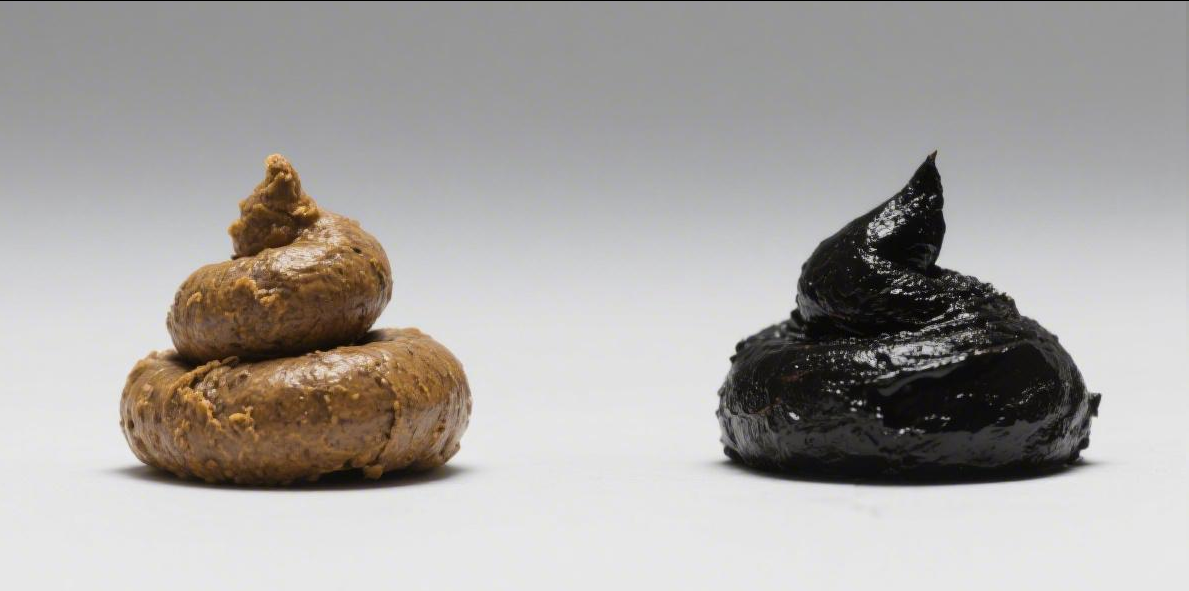
Blood in Stool: Hematochezia vs Melena
Not all blood carries equal significance.
Bright red streaks (hematochezia) often reflect colonic irritation. These cases may still respond to dietary control if the dog remains bright and hydrated.
Black, tarry stool (melena) indicates digested blood from the upper gastrointestinal tract. This is a Critical Red Flag.
Melena suggests:
Gastric ulceration
Severe inflammation
Toxin exposure
Coagulopathy
In clinic, these patients may present with pale gums, prolonged capillary refill (>2 seconds), and weakness resembling a “Dishrag.” Immediate diagnostics are warranted.
Dehydration and Perfusion Changes
Diarrhea causes fluid loss. Mild dehydration presents subtly:
Slightly tacky gums
Reduced skin elasticity
Increased thirst
Moderate dehydration presents with:
Dry, sticky gums
Delayed capillary refill
Sunken eyes
Lethargy
Severe dehydration includes collapse and shock.
At home, gently lift the skin over the shoulders. In a hydrated dog, it snaps back immediately. Delayed return suggests fluid deficit.
If diarrhea persists beyond 48 hours with signs of dehydration, oral intake is no longer sufficient. Subcutaneous or intravenous fluids become medically necessary.
For a structured overview of emergency thresholds, you may review (Dog Emergency Symptoms Every Owner Should Know)(https://animalintent.com/dog-emergency-symptoms/) to determine whether immediate care is required.
Fever and Systemic Depression
Normal canine temperature ranges from 101–102.5°F. A temperature above 103°F indicates inflammatory or infectious escalation.
Systemic signs that override dietary management:
Refusal to eat beyond 24 hours
Weakness
Reluctance to stand
Shivering unrelated to cold
Neurologic signs (tremors, disorientation)
When diarrhea is accompanied by systemic depression, the differential expands to include:
Bacterial enteritis
Viral infection
Severe parasitism
Pancreatitis
Ingestion of “Household Poisons”
Diet alone cannot address these pathologies.
Puppies, Seniors, and Small Breeds: Higher Risk Profiles
Toy breeds under 5 lb and puppies dehydrate rapidly. Hypoglycemia may develop within hours of anorexia.
In these patients:
Even 12 hours of vomiting or diarrhea is concerning
Weakness may appear disproportionate to stool volume
Gum color may fade quickly
Senior dogs, particularly those over 8 years old with pre-existing conditions, tolerate fluid loss poorly.
If you are uncertain whether symptoms qualify as emergency-level, structured triage tools such as Dog Symptom Checker: The Ultimate Emergency Health Checklist can help clarify urgency while arranging professional evaluation.
Duration as a Diagnostic Indicator
Time matters.
Less than 24 hours: often dietary
24–48 hours: monitor closely
Beyond 72 hours: diagnostics indicated
Chronic or recurrent diarrhea suggests underlying inflammatory bowel disease, food intolerance, parasitic reinfection, or metabolic disease.
Repeated cycles of bland diet without diagnostic follow-up delay appropriate treatment.
Clinical Decision Summary
Home feeding is appropriate only when:
The dog is bright and alert
No persistent vomiting
No melena
No significant dehydration
Temperature below 103°F
Appetite present
The presence of any Critical Red Flags terminates dietary management and initiates medical evaluation.
Food is supportive therapy. It is not a substitute for diagnosis. Recognizing escalation thresholds prevents minor gastrointestinal irritation from becoming systemic compromise.
5. Evidence-Based Home Management Plan for Mild Dog Diarrhea
When what to feed a dog with diarrhea has been appropriately selected and no Critical Red Flags are present, management becomes structured observation rather than passive waiting. The goal is controlled intestinal recovery with objective monitoring.
This section outlines a practical, medically sound home protocol for mild, uncomplicated diarrhea.
Step 1: Confirm Stability Before Feeding
Before continuing any feeding plan, reassess:
Gum color (healthy pink, moist)
Capillary refill under 2 seconds
Temperature between 101–102.5°F
No repeated vomiting
Normal responsiveness
On palpation, the abdomen should feel soft, not tense. Mild intestinal gurgling is acceptable. Guarding, rigidity, or vocalization during palpation indicates deeper pathology.
If stability is confirmed, proceed.
Step 2: Controlled Feeding Schedule
Use a bland, low-fat diet in small, measured portions.
General structure:
Feed every 4–6 hours
25–50% of normal meal size per feeding
Fresh water available at all times
Avoid free-feeding. Dogs recovering from gastrointestinal irritation often appear hungry. Overfeeding prolongs inflammation.
For a 60 lb dog normally eating 3 cups twice daily, begin with approximately ¾ cup per feeding, divided into 3–4 smaller meals per day.
If stool improves, maintain this plan for 48 hours before initiating gradual transition.
Step 3: Monitor Stool Objectively
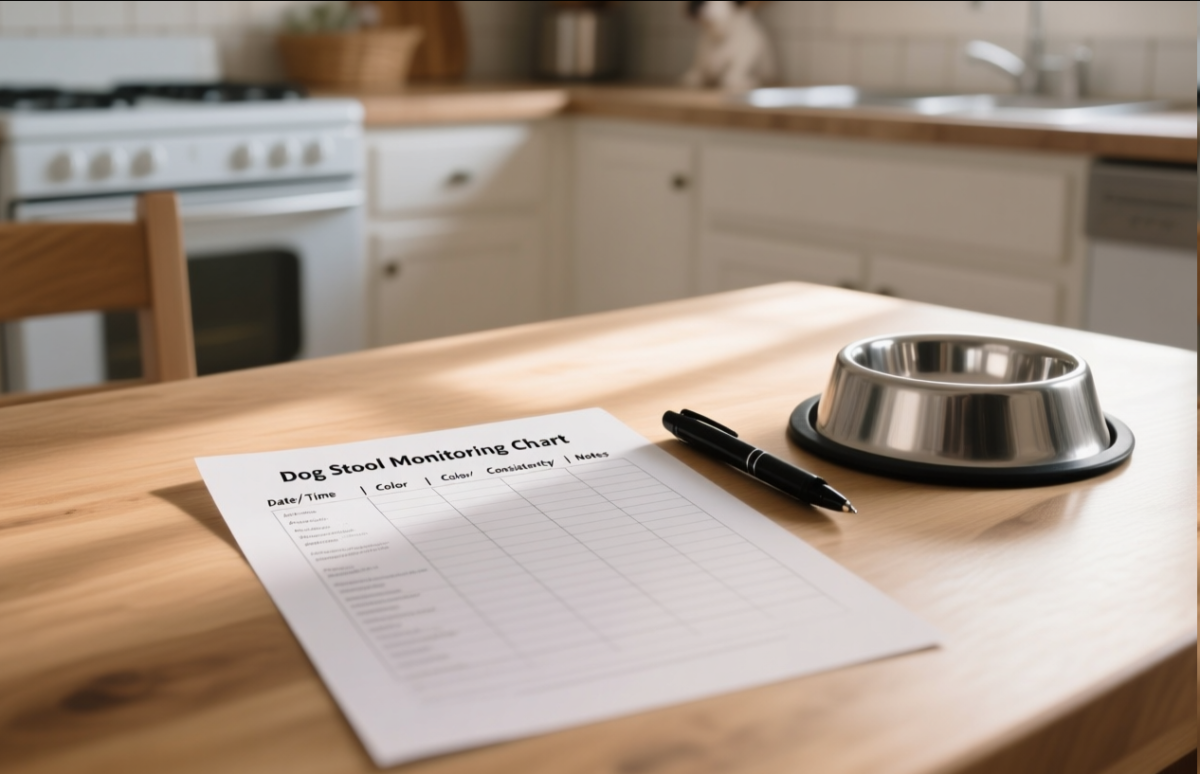
Owners often rely on memory. I recommend documenting:
Frequency
Volume
Presence of mucus
Presence of blood
Consistency progression
Improvement should follow a clear trajectory: watery → soft-formed → shaped.
If stool oscillates between improvement and relapse without dietary deviation, consider parasitic testing or food intolerance.
If vomiting recurs alongside diarrhea, revisit evaluation criteria outlined in (Dog Vomiting and Diarrhea: When to Worry and What to Do)(https://animalintent.com/dog-vomiting-and-diarrhea/) to determine whether home management remains appropriate.
[图片建议]
文件名:dog-stool-monitoring-chart.jpg
Alt 文本:
AI 生成提示词:High-resolution realistic home setting, printed stool tracking chart on wooden kitchen table next to pen and stainless steel dog bowl, natural morning light, documentary lifestyle photography, shallow depth of field, clean and educational aesthetic.
Step 4: Hydration Support
Mild diarrhea increases fluid demand. Encourage water intake but do not force excessive volume at once.
Signs hydration remains adequate:
Moist gums
Normal skin elasticity
Alert behavior
If mild dehydration develops, offering small, frequent water access is preferable to large bowls consumed rapidly (common in dogs with “Garbage Gut”).
Electrolyte solutions formulated for pets may be used cautiously, but plain water is generally sufficient in stable cases.
If the dog becomes weak, refuses water, or appears “Dishrag”-like, discontinue home management and seek care.
Step 5: Gradual Return to Regular Diet
Once stool is formed for 24 hours:
Begin 4-day transition plan
Monitor after each ratio adjustment
Pause advancement if stool softens
Avoid adding treats during transition. Even small high-fat snacks can restart inflammation.
Repeated relapse during transition suggests underlying food intolerance or inflammatory disease requiring diagnostic evaluation.
Special Considerations: Puppies and Small Dogs
Puppies under 12 weeks and toy breeds under 5 lb require more aggressive monitoring.
Because of limited glycogen reserves:
Do not fast longer than 6–8 hours
Monitor for tremors or weakness
Maintain frequent small feedings
Rapid dehydration in small dogs can progress within hours rather than days.
If unsure about severity thresholds, consult structured triage guidance in (Dog Emergency Symptoms Every Owner Should Know)(https://animalintent.com/dog-emergency-symptoms/) before delaying intervention.
When to Escalate Despite Mild Initial Signs
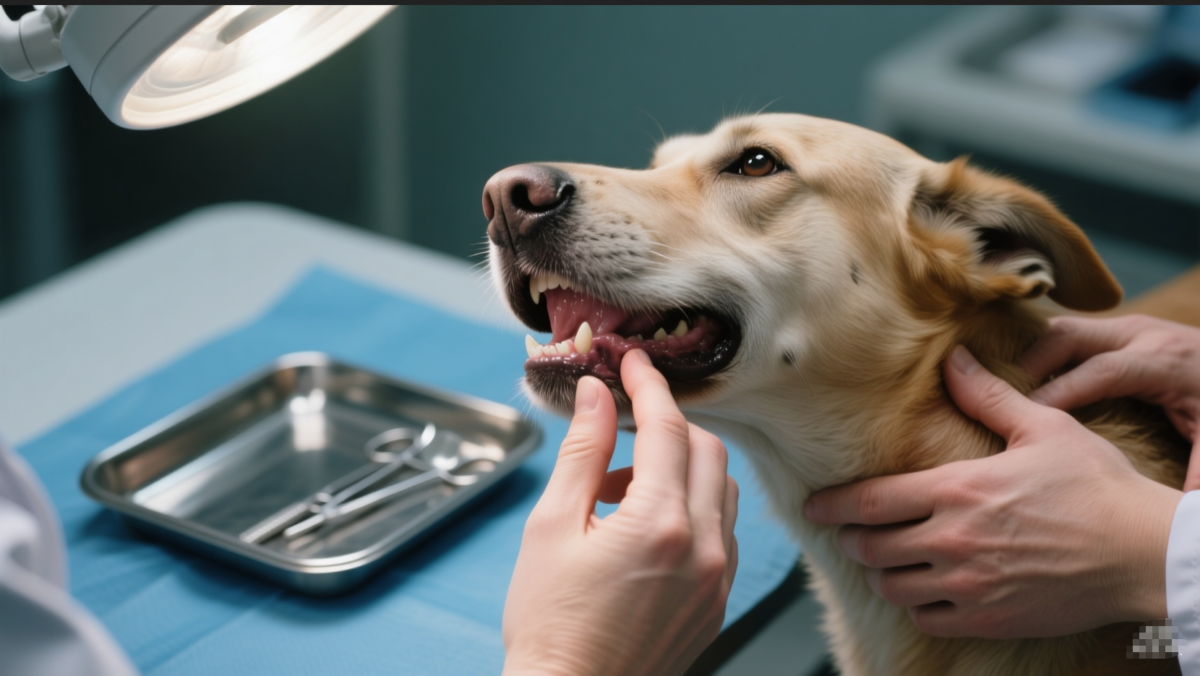
Even previously stable cases require reevaluation if:
Diarrhea persists beyond 72 hours
Appetite declines
Blood appears in stool
Abdominal pain develops
Energy decreases noticeably
Chronic or recurrent episodes warrant fecal testing, complete blood count, serum chemistry, and possibly abdominal imaging.
Repeated cycles of bland diet without diagnostics delay definitive care.
Clinical Bottom Line
For mild, uncomplicated diarrhea:
Confirm systemic stability
Feed small, low-fat bland meals
Monitor objectively
Transition gradually
Escalate if red flags appear
Diet is a supportive intervention grounded in physiology. Its success depends on disciplined monitoring and timely reassessment.
Food aids recovery—but vigilance prevents complication.
6. Frequently Asked Questions About Feeding a Dog with Diarrhea (Evidence-Based Clarifications)
Even when discussing what to feed a dog with diarrhea, recurring clinical questions reveal where home care often goes wrong. Below are concise, medically grounded answers to the most common concerns I encounter in practice.
Can I Feed My Dog Kibble During Diarrhea?
In most acute cases, standard kibble is not ideal during the first 24–48 hours. Commercial maintenance diets often contain moderate fat levels and mixed protein sources that increase digestive workload.
If the dog is stable, bright, and without vomiting, a temporary bland diet is preferable. Once stool begins forming, gradual reintroduction of kibble is appropriate.
Immediate continuation of regular kibble may be acceptable only if:
Diarrhea is very mild
No vomiting occurred
Appetite and energy remain normal
If symptoms worsen after feeding kibble, revert to bland feeding and reassess.
Should I Withhold Food Completely?
Short fasting (8–12 hours) can reduce gastric stimulation in adult dogs with concurrent vomiting. However:
Do not fast puppies under 12 weeks
Do not fast toy breeds under 5 lb for extended periods
Never fast a lethargic or hypoglycemic dog
Prolonged fasting does not “cure” diarrhea. Intestinal mucosa requires nutrients for repair. After brief rest (if indicated), controlled feeding should resume.
If you are uncertain whether vomiting severity warrants fasting or medical care, structured criteria in (Dog Symptom Checker: The Ultimate Emergency Health Checklist)(https://animalintent.com/dog-symptom-checker/) can help clarify urgency.
Is Scrambled Egg Good for Dogs with Diarrhea?
Plain scrambled egg cooked without oil or butter can be used in small amounts. Eggs provide digestible protein, but they are not fat-free.
In dogs with suspected pancreatitis or repeated “Garbage Gut” episodes triggered by fatty food, egg may worsen signs.
As a component of a bland diet, egg should supplement—not replace—low-fat protein like boiled chicken.
Can I Give My Dog Probiotics?
Probiotics may shorten diarrhea duration in mild cases by supporting intestinal microbiota balance.
Indications:
Mild stress-related diarrhea
Antibiotic-associated stool changes
Boarding-related digestive upset
They are adjunctive—not primary—therapy.
If diarrhea is accompanied by fever, melena, weakness, or abdominal pain, probiotics are insufficient. Those signs represent Critical Red Flags requiring diagnostics.
What If My Dog Has Diarrhea but Acts Normal?
This is common with dietary indiscretion. If the dog:
Is bright and alert
Has normal gum color
Maintains hydration
Has no vomiting
A 24–48 hour bland feeding protocol is reasonable.
However, diarrhea lasting beyond 72 hours—even in an otherwise normal-acting dog—justifies fecal testing. Chronic low-grade parasitism or food intolerance may present subtly.
Can Stress Cause Diarrhea?
Yes. Stress colitis is well documented.
Triggers include:
Boarding
Travel
Household changes
Introduction of new pets
These dogs often pass small amounts of stool with mucus and occasional bright red blood but remain energetic.
Short-term bland feeding and fiber supplementation (such as plain pumpkin) may be sufficient.
If symptoms recur repeatedly with stress events, longer-term dietary modification or probiotic support may be indicated.
When Should I Go to the Emergency Vet?
Immediate evaluation is required if you observe:
Black, tarry stool
Persistent vomiting
Abdominal pain
Temperature above 103°F
Weakness or collapse
Refusal to drink
Rapid decline in a puppy or toy breed
If multiple signs cluster, review escalation guidance in (Dog Emergency Symptoms Every Owner Should Know)(https://animalintent.com/dog-emergency-symptoms/) while arranging transport.
Do not delay care while experimenting with additional dietary adjustments.
Clinical Summary of FAQ Section
Mild diarrhea in an otherwise stable dog often responds to:
Short-term bland diet
Controlled portion sizes
Hydration monitoring
Gradual food transition
Escalation is required when:
Systemic signs appear
Duration exceeds 72 hours
Blood is black rather than bright red
Vomiting persists
Hydration declines
Diet supports intestinal recovery, but structured reassessment prevents missed diagnoses.
The correct answer to “what to feed a dog with diarrhea” is never just food—it is food plus evaluation, plus monitoring, plus timely escalation when warranted.
7. Conclusion: Clinical Decision-Making When Feeding a Dog with Diarrhea
When addressing what to feed a dog with diarrhea, the correct framework is not a recipe—it is a triage-based decision model grounded in physiology.
Acute diarrhea in dogs most commonly results from dietary indiscretion (“Garbage Gut”), abrupt diet change, mild stress colitis, or transient exposure to Germs and Dangers in the Outdoors. In these uncomplicated cases, intestinal inflammation is self-limiting if digestive workload is reduced and hydration is maintained.
A structured home protocol includes:
Confirming systemic stability (normal gum color, temperature 101–102.5°F, adequate hydration)
Feeding small, low-fat, highly digestible meals every 4–6 hours
Monitoring stool progression objectively
Transitioning back to regular diet gradually over 4 days
Escalating immediately if Critical Red Flags emerge
However, diarrhea is a symptom—not a diagnosis.
Persistent cases, recurrent episodes, melena, abdominal pain, lethargy, or vomiting require diagnostic evaluation including fecal testing, CBC, serum chemistry, and possibly abdominal imaging. Repeated cycles of bland feeding without investigation delay appropriate treatment.
If you are uncertain whether your dog’s presentation remains mild or has crossed into emergency territory, reviewing structured criteria in Dog Vomiting and Diarrhea: When to Worry and What to Do can provide objective guidance while you arrange veterinary care.
Final Clinical Guidance
Use diet as a therapeutic tool—not as a substitute for assessment.
Stable, bright dogs with mild diarrhea: initiate bland feeding and monitor closely.
Puppies, toy breeds, or systemically ill dogs: lower threshold for examination.
Any deterioration: seek immediate care.
Early evaluation prevents complications such as dehydration, electrolyte imbalance, and pancreatitis.
When in doubt, schedule a veterinary visit. Timely intervention is always safer—and often less costly—than delayed treatment after decline.
References
US Food and Drug Administration. “Human User Safety in New and Abbreviated New Animal Drug Applications (CVM GFI #278).” June 2024.
US Food and Drug Administration. “Defining Durations of Use for Approved Medically Important Antimicrobial Drugs Fed to Food-Producing Animals (CVM GFI #273).” September 2023.
US Food and Drug Administration. “Guidance for Industry: Use of Biomarkers in Animal Drug Development (CVM GFI #267).” April 2020.
If your dog is dealing with digestive upset, learn more about Dog Diarrhea Treatment: Proven Ways to Stop It Fast to help them recover.
Conclusion
Diarrhea is a common digestive issue in dogs that often resolves with basic home care, but it can sometimes signal a more serious underlying condition. By monitoring your dog’s symptoms, providing appropriate dietary adjustments, and consulting your veterinarian when needed, you can help your dog recover comfortably. Persistent or severe cases warrant professional evaluation to rule out infections, parasites, or chronic digestive disorders.