
Quick Navigation
-
1. The “Clean Freak” Factor: Normal Grooming vs. Obsessive Licking
-
2. The Silent Struggle: Why Do Dogs Lick Themselves When They’re Anxious?
-
3. It’s Not All in Their Head: Physical Reasons Behind the Licking
-
4. Emily’s Playbook: How to Stop the Excessive Licking Today
-
5. FAQ: What Other Pet Parents Are Asking
-
6. Conclusion: From Slurping to Sleeping Soundly
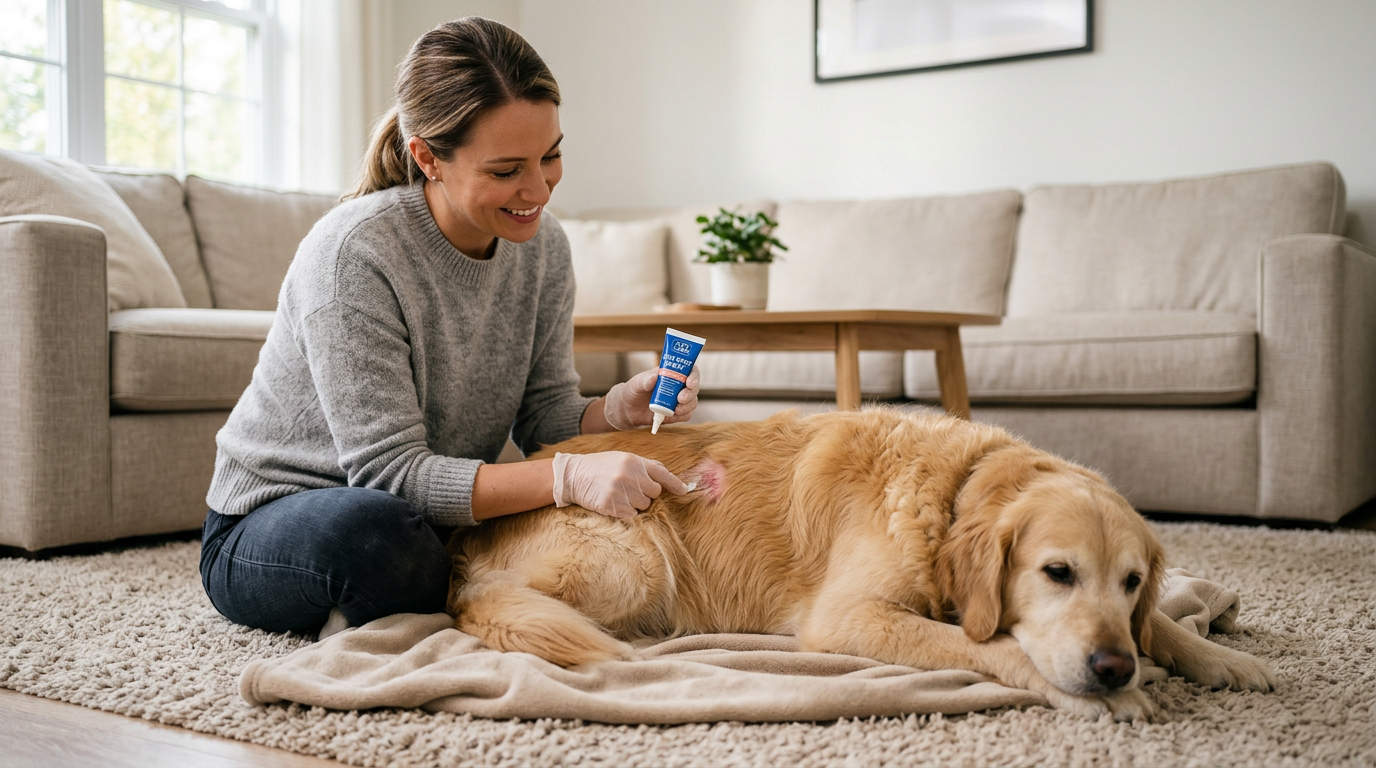
It’s 11:00 PM, the house is finally quiet, and you’re just about to drift off when you hear it—that rhythmic, wet, and slightly frantic “slurp-slurp-slurp” coming from the foot of the bed. Honestly, when my Golden, Biscuit, first spent an entire hour obsessively gnawing at his paws, I didn’t know whether to be annoyed by the noise or worried about his skin. You’ve probably found yourself wondering why do dogs lick themselves so intensely, and whether it’s just a routine bath or a silent cry for help from a stressed-out pup.
- 1. 1.The “Clean Freak” Factor: Normal Grooming vs. Obsessive Licking
- 2. 2.The Silent Struggle: Why Do Dogs Lick Themselves When They’re Anxious?
- 3. 3.It’s Not All in Their Head: Physical Reasons Behind the Licking
- 4. 4.Emily’s Playbook: How to Stop the Excessive Licking Today
- 5. 5.FAQ: What Other Pet Parents Are Asking
- 6. 6.Conclusion: From Slurping to Sleeping Soundly
- 7. Key Terminology & References
Real talk: while a little grooming is normal, that non-stop licking is often a clue to something deeper, like hidden allergies or “city-life” anxiety. Today, we’re going to peel back the layers on this behavior so you can tell the difference between a clean dog and a miserable one. By the end of this, you’ll know exactly how to spot the red flags and, more importantly, what specific steps you can take to finally give your furry best friend some much-needed relief.
1.The “Clean Freak” Factor: Normal Grooming vs. Obsessive Licking for why do dogs lick
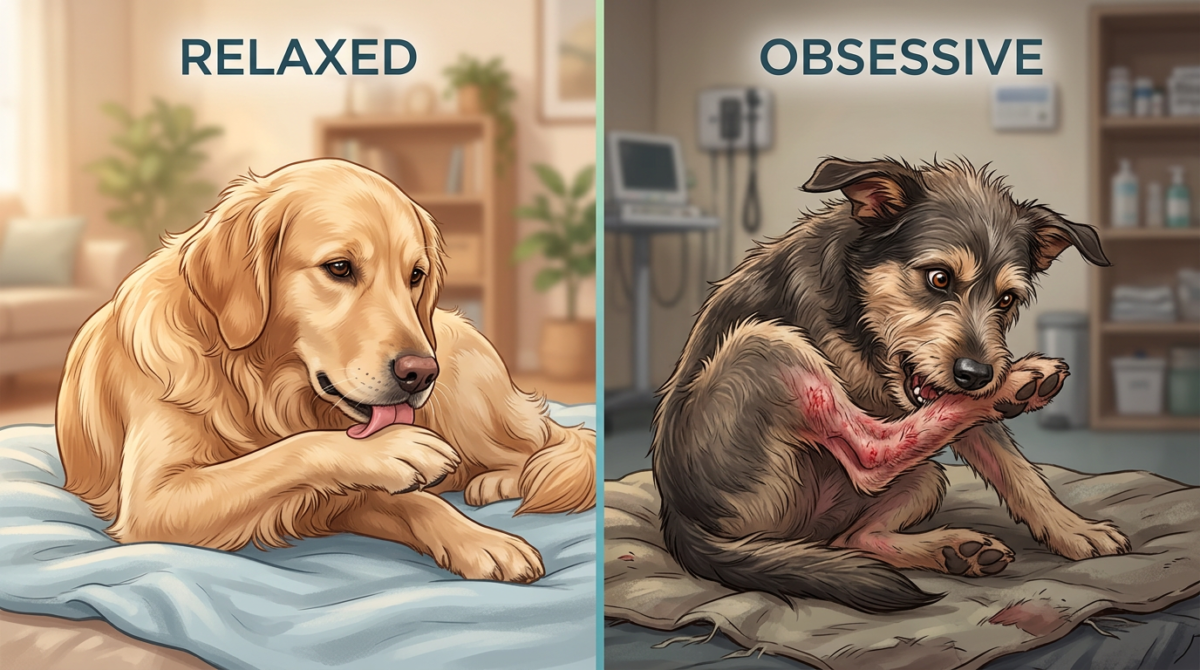
Have you ever watched your dog spend ten minutes meticulously cleaning between their toes after a walk? Honestly, when Biscuit does this, I call it his “spa time.” Most of the time, when we ask why do dogs lick themselves, the answer is pretty boring: they’re just staying tidy.
Think of your dog’s tongue like a built-in loofah and washcloth combined. Since they don’t have showers or hands to scrub with, they use their saliva—which contains special enzymes—to break down dirt and debris. It’s exactly like how we might use a wet wipe after getting our hands sticky. In plain English, normal grooming is a calm, purposeful behavior that helps them feel fresh.
The “Two-Minute Rule” for Self-Cleaning In my years working at the vet clinic, I saw a lot of worried parents who thought every lick was a crisis. Here’s a good rule of thumb: normal grooming usually lasts about two minutes per spot. If your pup licks a paw, moves to their leg, and then curls up for a nap, you’re in the clear.
However, about 15% of pet owners misinterpret obsessive behavior as simple cleaning. This matters for you because missing the early signs of over-grooming can lead to painful skin infections that cost hundreds in vet bills later. This means for you and your pet, catching the “cleaning habit” early saves both money and misery.
When Grooming Turns Into an Obsession Imagine if you didn’t just wash your hands, but scrubbed them with a wire brush until they bled. That’s essentially what’s happening when a dog moves from grooming to obsessive licking. This is often caused by a “lick-itch cycle”—the more they lick, the more the skin gets irritated, which makes them want to lick even more.
I remember a sweet Beagle named Daisy who came into our clinic. Her owner thought she was just “really clean,” but Daisy had actually licked the hair completely off her front wrist. It wasn’t about hygiene anymore; it was about a hidden discomfort that Daisy was trying to “wash away.”
《Dog Skin Allergies: The Ultimate Guide to Treatment, Home Remedies & Diet》
How to Spot the “Red Flags” in Your Living Room You don’t need a medical degree to tell if something is wrong. You just need to be a bit of a “pet detective” during your evening Netflix sessions. Here is exactly what you should look for right now:
The “Rusty” Fur Look: If your dog has light-colored fur and it’s turning a reddish-brown color, that’s not dirt. It’s “saliva staining”—a chemical reaction between their spit and their hair that proves they’ve been licking that spot for hours.
The Midnight Slurping: If the licking is so loud or intense that it wakes you up at night, it’s not grooming. Normal cleaning is quiet; obsessive licking sounds frantic and wet.
The “One-Track Mind”: Try calling your dog’s name or offering a treat while they are licking. If they ignore you or go right back to it after one second, they aren’t cleaning—they are fixated.
The “Fritos” Smell: Check the area they are licking. If it smells like corn chips or old yeast, there’s likely a bacterial or fungal infection brewing under that “cleaning” routine.
What You Can Do Right This Second If you suspect your pup has crossed the line from “clean freak” to “obsessive licker,” don’t panic. I made this exact mistake with Biscuit early on, thinking he just liked having clean feet! Here is your immediate action list to regain control:
Do the “Tickle Test”: Gently spread their toes and look for redness or swelling. If the skin looks like a ripe tomato, the grooming has become an injury.
Redirect the Energy: The moment the licking starts, give them a distraction that uses their mouth, like a frozen peanut butter toy. Think of it like giving a toddler a coloring book so they stop drawing on the walls.
Check the “Hiking Logs”: Did this start after a trip to the park? Sometimes a tiny burr or a piece of gravel is stuck in there, and they are just trying to perform “surgery” with their tongue.
Cool it Down: Use a damp, cool cloth to wipe the area. Sometimes just removing the dried saliva stops the itching sensation that triggers the next round of licking.
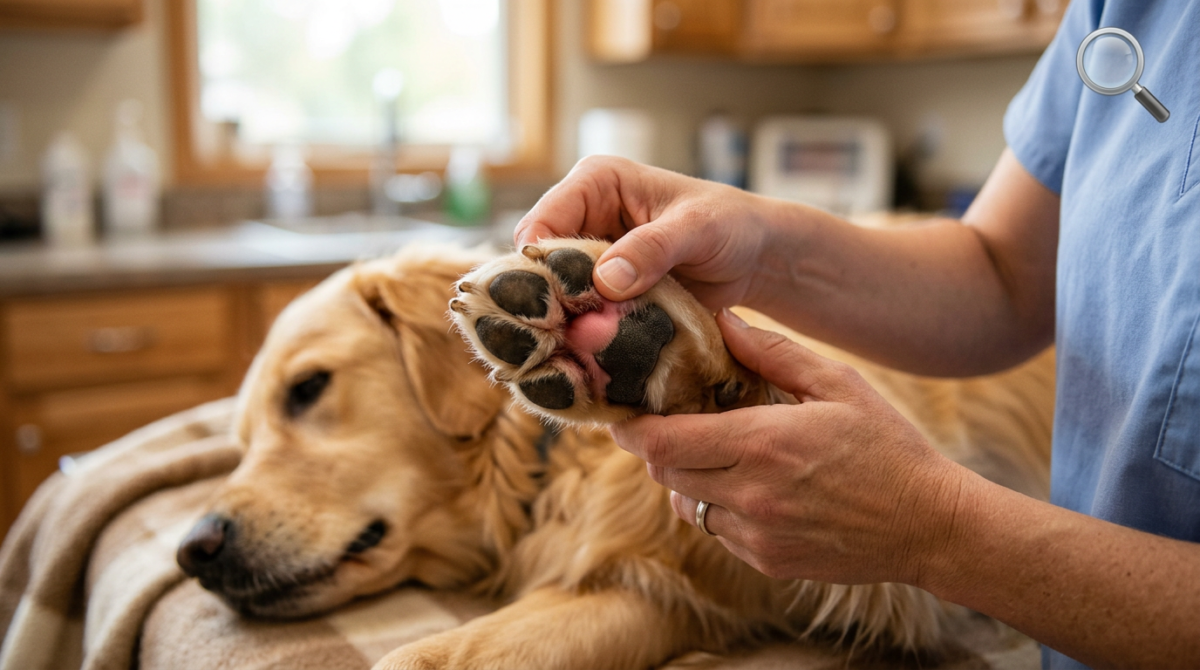
Remember, your dog isn’t trying to be difficult. They are just using the only tool they have to deal with a weird sensation. Whether it’s a bit of Austin pollen or a little bit of stress, catching it now means you can get back to those quiet, “slurp-free” nights on the sofa.
2.The Silent Struggle: Why Do Dogs Lick Themselves When They’re Anxious?
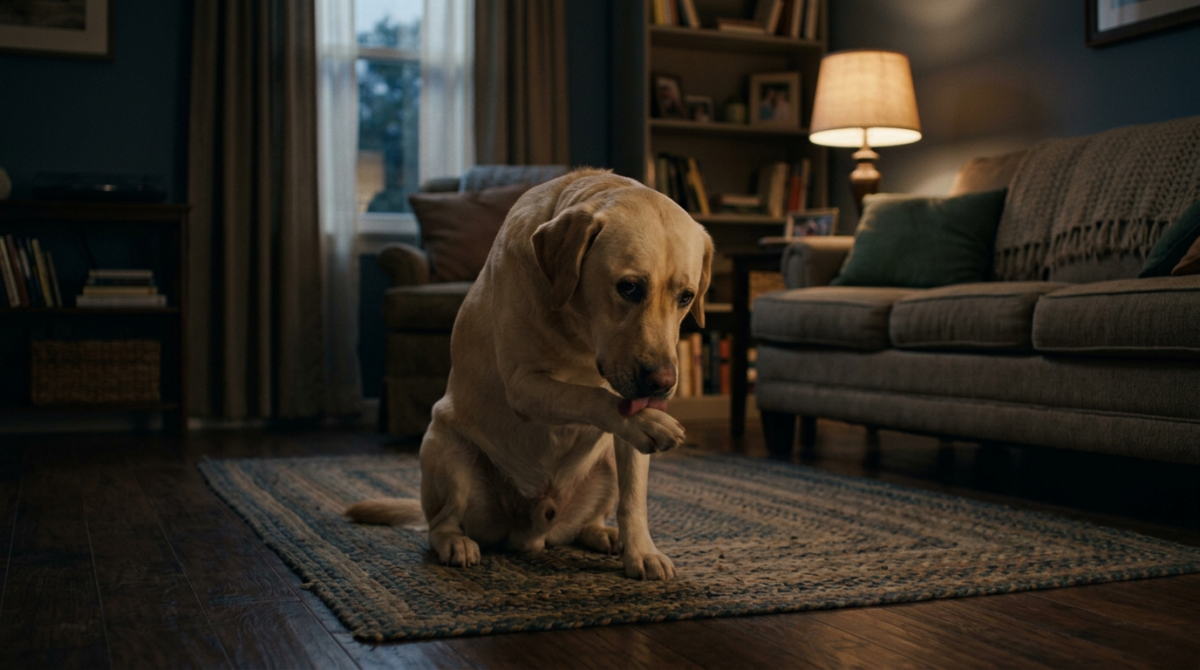
Have you ever found yourself mindlessly tapping your foot or chewing on a pen during a stressful Zoom call? We all have our little “stress fidgets,” and for our furry friends, licking is often their version of that. When we ask why do dogs lick themselves during a thunderstorm or after we’ve been gone all day, we’re usually looking at a self-soothing mechanism.
Think of licking like a natural “fidget spinner” for your dog’s brain. When a dog licks, their body releases endorphins—basically the “feel-good” chemicals that act as a natural sedative. It’s like their way of taking a deep breath and telling themselves, “It’s okay, everything is fine.” In plain English, this is behavioral licking, and it has nothing to do with hygiene and everything to do with big emotions.
The “Endorphin Loop” Danger In my clinic days, I saw so many owners who thought their dog was just being a “neat freak.” But here’s the reality: according to behavioral studies, nearly 70% of repetitive behaviors in dogs are triggered by environmental stress. This means for you and your pet, that constant “slurp” isn’t an annoyance; it’s a red flag that your dog’s emotional cup is overflowing.
If left unchecked, this can turn into a compulsive disorder. Imagine being so stressed that you scratch your arm until it’s raw—that’s the level of distress an anxious dog is dealing with. Catching this early is the difference between a quick environment fix and a long-term struggle with “lick granulomas” (stubborn sores caused by constant licking).
Common “Invisible” Stressors in Austin Sometimes the things that stress out our dogs are things we don’t even notice. I remember a client whose Golden Retriever, Max, started licking his legs raw every afternoon at 2 PM. After a little “detective work,” we realized it was the sound of the neighbor’s new robotic lawnmower!
Even here in a pet-friendly place like Austin, things can get overwhelming. Maybe it’s the construction noise on the next block, a new baby in the house, or just the fact that your return-to-office schedule means Biscuit is home alone longer than he used to be. For a dog, these aren’t just minor inconveniences; they are major shifts in their “safe space” logic.
How to Tell if It’s Anxiety (The Emily Carter Checklist) Because our dogs can’t tell us they’re feeling overwhelmed, we have to look for the “subtitles” in their body language. Next time you see the licking start, ask yourself these questions:
What’s the “Vibe”? Is your dog’s body stiff? Are their ears pinned back or are they showing the “whale eye” (where you can see the whites of their eyes)? If they don’t look relaxed, they aren’t “grooming.”
When is it Happening? Does the licking start the moment you grab your car keys? Or right after the mailman drops off the packages? If it’s tied to a specific event, it’s 100% stress-related.
Where are they Licking? Anxiety lickers usually focus on the “easy access” spots—typically the tops of the front paws or the wrists (the carpus). It’s the dog equivalent of biting your nails.
Does it Stop with a Distraction? If you drop a piece of cheese and they don’t even look up from their licking, they are in a “trance.” This is a sign that the endorphin rush has taken over and they’re “zoning out” to cope.
Emily’s Strategy to Calm the “Lick Storm” When Biscuit went through a brief anxious phase after we moved houses, I had to be super proactive. You aren’t a bad owner if your dog is stressed—modern life is loud and fast! Here is how we can lower their stress levels starting today:
Create a “Zen Den”: Give them a safe, dark corner (like a crate with a blanket over it) where they can retreat when things get too loud. Think of it as their private library where “no licking allowed” because they finally feel safe.
The “Busy Mouth” Rule: An anxious mouth needs a job. Instead of a regular bowl, use a “lick mat” with a little plain Greek yogurt or pumpkin puree. This lets them get those soothing endorphins in a healthy, controlled way.
Predictable Patterns: Dogs crave a schedule like we crave a morning coffee. Try to feed, walk, and play at the exact same times. This “boring” routine tells their brain that the world is a predictable, safe place.
A Tired Dog is a Quiet Dog: Increase their mental exercise. Five minutes of “find the treat” in the backyard is more exhausting for their brain than a 30-minute walk around the block.
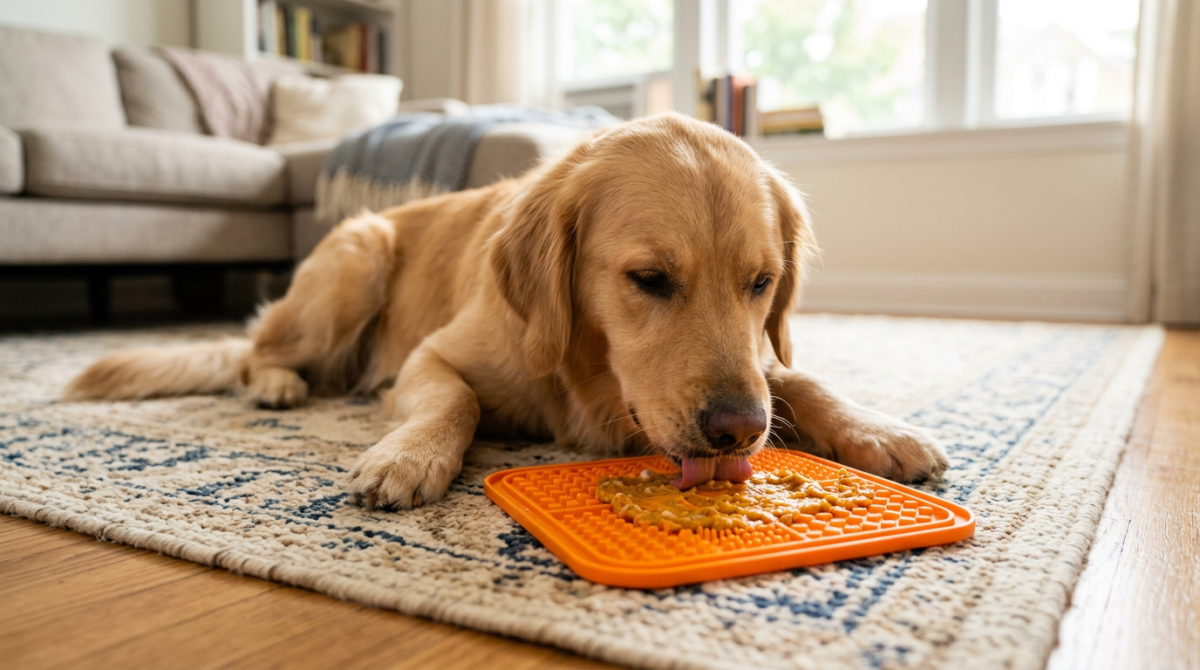
Dealing with an anxious licker takes patience, but I promise you’ll get there. It’s all about showing them that they don’t need to “self-medicate” with their tongue because you’ve got their back.
收到!聊完了心理上的“委屈”,咱们得转入最硬核、也最让德州狗主人们头疼的领域了——身体上的不爽。
这一章我们要聊聊那些看得见、摸得着的“物理痛点”。
3.It’s Not All in Their Head: Physical Reasons Behind the Licking for why do dogs
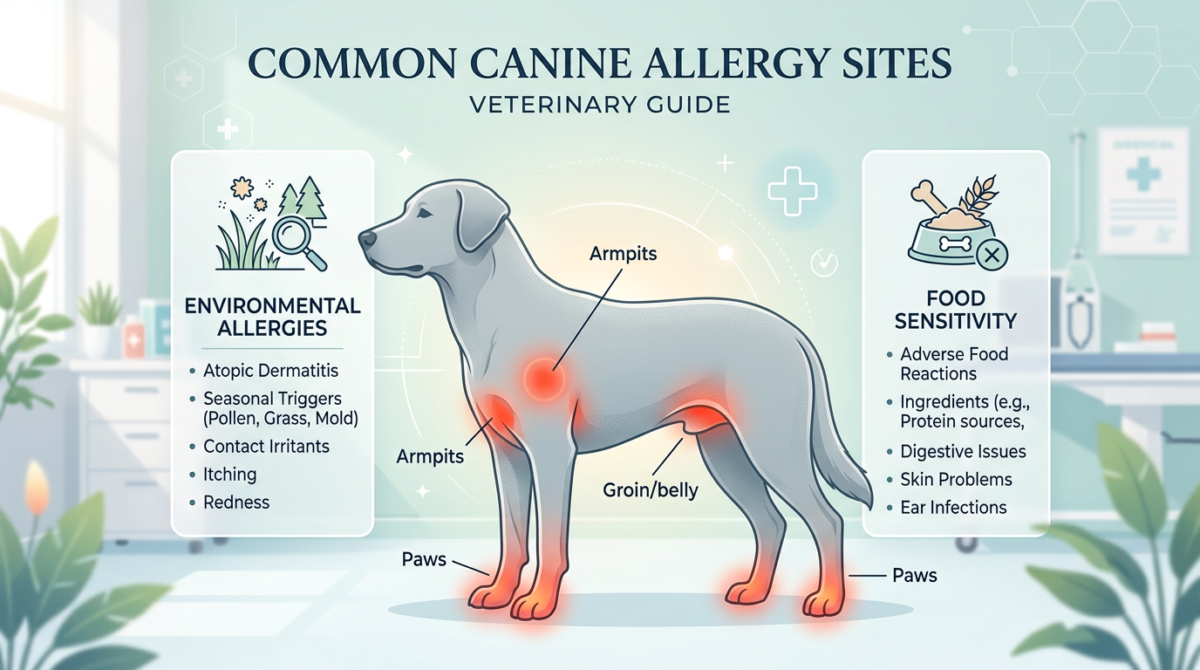
Sometimes, the answer to why do dogs lick themselves isn’t hidden in their brain—it’s right there on their skin. Honestly, during my two years at the animal clinic, probably 8 out of 10 “licking cases” we saw were actually physical discomforts, like allergies or hidden pain, trying to disguise themselves as a grooming habit.
Think of an allergy like a “security alarm” in your dog’s immune system that won’t stop going off. When your dog encounters something they’re sensitive to—like Austin’s infamous cedar pollen—their body sends out a flood of histamines. These histamines act like tiny, itchy needles under the skin. Because dogs don’t have Benadryl and thumbs, they use the only “soothing cream” they have: their own saliva. In plain English, the licking is their desperate attempt to scratch an itch they just can’t reach.
The “Cedar Fever” and Food Culprits Here in Texas, we deal with some of the highest pollen counts in the country. This means for you and your pet, a simple walk in the backyard can turn into an all-night itch-fest. About 10% of dogs also suffer from food sensitivities, where their protein source (like chicken or beef) causes their skin to flare up.
I remember a Boxer named Rocky who came in once; his paws were so red they looked like he was wearing little red socks! His owner thought he was anxious about the new neighbor, but it turns out Rocky was just reacting to the new grass fertilizer used in the local park. One quick paw-wash routine later, and the licking stopped almost overnight.
Hidden Pain: The “Iceberg” Effect Licking can also be a dog’s way of saying “Ouch.” If your dog is constantly focused on a specific joint, like their wrist or hip, they might be dealing with arthritis or a localized injury.
Think of it like how we might rub our sore shoulder after a long day at the desk. We do it instinctively to distract our nerves from the pain. Dogs do the exact same thing with their tongues. It’s called “referred pain,” which basically means they feel the ache deep inside and try to “massage” it from the outside. If you see your older pup suddenly obsessed with one joint, it’s usually not a skin issue—it’s an ache issue.
《Dog Skin Allergies: The Ultimate Guide to Treatment, Home Remedies & Diet》
How to Spot a “Physical” Licker (The 3-Step Inspection) When Biscuit starts getting a bit too focused on his “self-care,” I run through this quick physical check. You can do this at home in about 30 seconds:
The “Between the Toes” Peek: Gently spread the toes. Healthy skin should be a soft pink. If it looks like a “strawberry” (bright red and angry), you’re likely looking at a yeast infection or an allergy flare-up.
The Temperature Test: Feel the area they’ve been licking. Is it significantly warmer than the rest of their body? Heat is the body’s way of signaling inflammation—it’s like the “check engine” light on your car dashboard.
The “Fritos” Sniff Test: I know it sounds weird, but smell their paws. If they smell like corn chips, that’s a classic sign of a yeast overgrowth. It’s itchy, it’s smelly, and it won’t go away without the right medicated shampoo.
Emily’s “Immediate Relief” Action Plan If you’ve determined that the licking is physical, don’t wait for it to “just go away.” Most of these issues get worse the more the dog licks. Here’s what you can do right now to break the cycle:
The “Austin Paw Wash”: After every walk, wipe Biscuit’s paws with a damp cloth or a dedicated pet wipe. This removes the “itchy dust” (pollen and chemicals) before it has a chance to soak in.
Epsom Salt Soaks: For inflamed paws, a 5-minute soak in cool water with Epsom salt can work wonders. It’s like a cooling cucumber mask for your dog’s feet—it draws out the heat and calms the skin.
Check the “Hot Spot” Zones: If you find a wet, matted patch of fur, that’s a “hot spot” (acute moist dermatitis). Basically, it’s a skin infection that happened because the licking trapped moisture. Keep it dry and clean—air is your best friend here.
The Cone of Shame (The “Pillow” Version): If they won’t stop, use a soft, inflatable collar. It doesn’t have to be the hard plastic “lamp shade.” Think of it as a travel neck pillow that prevents them from “re-opening the wound” while the medicine does its job.
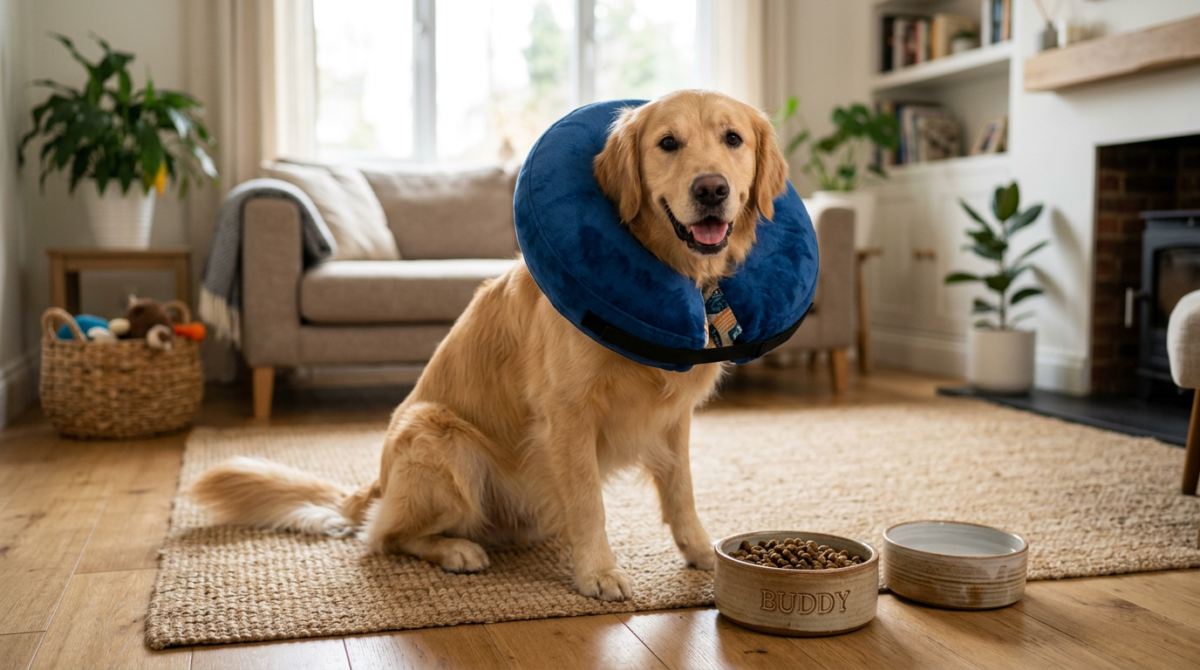
Remember, if the skin is broken or bleeding, or if your dog is limping, skip the home remedies and head to the vet. There’s no shame in needing a little professional help to get that “security alarm” to shut up!
4.Emily’s Playbook: How to Stop the Excessive Licking Today
When I was a veterinary assistant, the most common thing I heard was, “Emily, I’ve tried everything and nothing works!” But honestly, most pet owners fail because they try to fix the licking without fixing the lifestyle. To truly answer why do dogs lick themselves and put a stop to it, we need a “multi-pronged” approach.
Think of your dog’s habit like a leaky faucet. You can keep mopping up the floor (the licking), but unless you turn off the valve (the trigger), the puddle will just keep coming back. In plain English, we need to address their environment, their skin, and their brain all at once. It sounds like a lot, but I promise, it only takes about 15 minutes of focused effort each day.
Step 1: The Environmental “Cool Down” We live in a fast-paced world, and sometimes our dogs just need us to “lower the volume” of their lives. If the licking is stress-based, your house needs to become a sanctuary.
The 5-Minute “Scent Game”: Instead of a high-energy game of fetch that spikes cortisol (the stress hormone), hide small pieces of carrot around the living room. Scent work is like a crossword puzzle for dogs—it tires them out mentally without overstimulating them.
White Noise Magic: If Austin’s traffic or the neighbor’s barking sets off a licking fit, try a white noise machine. It’s like a “sound blanket” that helps them feel tucked away and safe.
Step 2: Soothing the Skin (The Kitchen Remedy) If the licking is physical, we need to break that “lick-itch cycle” we talked about earlier. One of my favorite clinic secrets is the Green Tea Soak.
Think of green tea like a “chill pill” for inflamed skin. It contains polyphenols—basically natural anti-inflammatory compounds—that can calm a “hot spot” on contact. Emily’s Pro Tip: Steep two bags of green tea, let it cool completely in the fridge, and then dab it onto the red areas. This means for you and your pet, you’re providing instant relief with something already in your pantry!
《Dog Skin Allergies: The Ultimate Guide to Treatment, Home Remedies & Diet》
Step 3: Redirecting the Mouth (The “Job” Strategy) If you just tell a dog “No!” they’ll stop for five seconds and then go right back to it. You have to give them a “Yes” instead. In my house, when Biscuit gets that obsessive look in his eye, I immediately reach for his “Lick Toolbox.”
The Frozen Kong: Fill it with unsalted chicken broth or a bit of wet food and freeze it.
The Reason it Works: Freezing the food makes them work harder, and the cold sensation is like an ice pack for an itchy mouth or paws. It’s the ultimate “healthy” way for them to get those soothing endorphins.
Step 4: The “Vet Check” Threshold I always tell my readers: don’t be a hero. There is a point where home remedies aren’t enough. You should call your vet if you see any of these “Big Three” signs:
The “Ooze”: If the area is leaking clear or yellow fluid (pus).
The “Limp”: If the licking is accompanied by a change in how they walk.
The “Shadow”: If your dog stops eating or playing just so they can stay in one spot and lick.
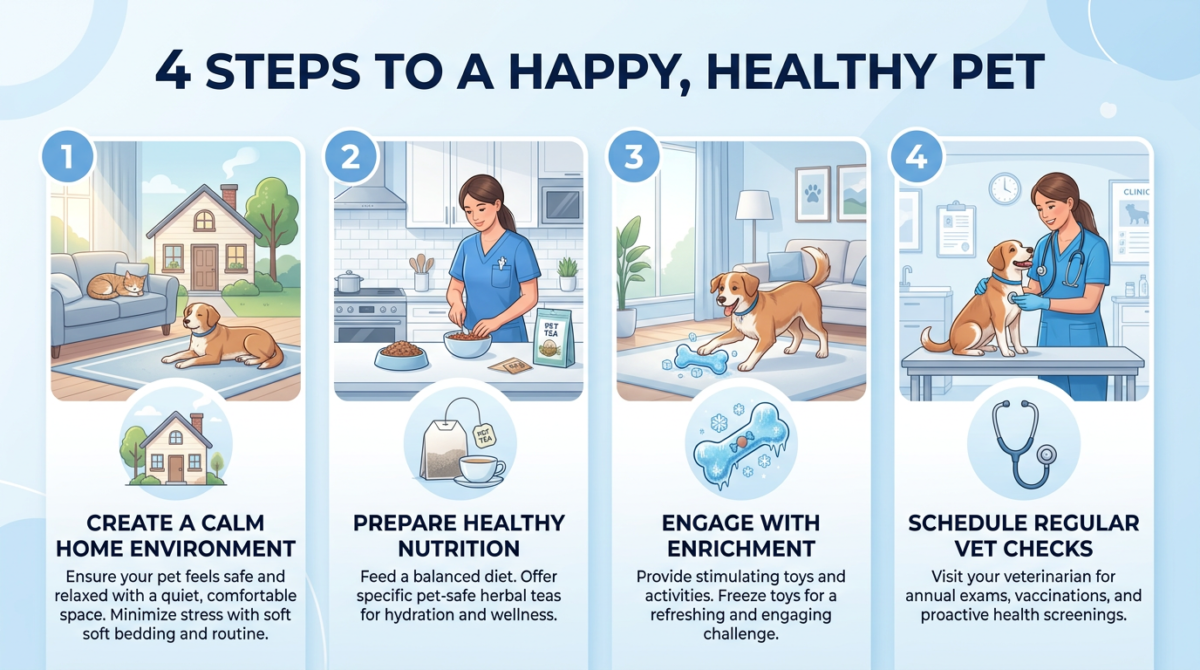
By following this playbook, you aren’t just stopping a noise—you’re improving your dog’s quality of life. Honestly, seeing Biscuit go from a frantic licker to a calm, napping pup on the rug is the best feeling in the world. You’ve got this!
5.FAQ: What Other Pet Parents Are Asking
I get so many DMs every day with these exact questions. Honestly, there’s no such thing as a “silly question” when it comes to your fur baby’s comfort. Here are the top three things I hear from my readers:
1. Is dog saliva actually antiseptic? Can they “heal” themselves? This is one of the biggest old wives’ tales out there! While dog spit has some mild antibacterial properties, it’s also teeming with its own bacteria. In plain English, letting your dog lick a wound is like trying to clean a window with a dirty sponge. It usually just introduces more germs and keeps the area wet, which is the perfect breeding ground for an infection. Keep those tongues away from open sores!
2. Can I use bitter spray to stop the licking? Here’s the thing: bitter sprays are like a band-aid on a broken leg. They might stop the licking for a minute because of the nasty taste, but they don’t fix why the dog was licking in the first place. If your dog is anxious, a bitter spray can actually make them more stressed because they’ve lost their only way to self-soothe. Focus on the “Playbook” steps we talked about instead.
3. Why does my dog lick ME after licking himself? Think of this as a “social grooming” invite. In the wild, dogs lick each other to strengthen bonds. If they’ve just finished their own “spa day” and start on your arm, they’re basically saying, “Hey, I’m clean, now let me help you out!” It’s a compliment, though I totally get it if you don’t want a slobbery arm right before bed.
6.Conclusion: From Slurping to Sleeping Soundly
We’ve covered a lot of ground today, from the “slurp-slurp” sounds keeping you awake to the hidden allergies and “city-life” stress that trigger them. If there’s one thing I want you to take away, it’s this: licking is a language. Whether it’s Biscuit telling me he’s got a bit of Austin cedar pollen on his paws or a pup in my old clinic saying they’re overwhelmed by the new baby, that tongue is telling a story.
By being a “pet detective” and using the tools in Emily’s Playbook, you’re doing so much more than just stopping a noise. You’re advocating for your best friend. You’re giving them the relief they can’t ask for in words.
Your Next Step Action List:
Tonight: Do a “30-second inspection” of your dog’s favorite licking spot.
Tomorrow: Grab a lick mat or a Kong to give them a healthy way to release those endorphins.
This Weekend: If the skin looks red or smells like “Fritos,” give your vet a quick call just to be safe.

Does your pup have a favorite “obsessive” spot, or a secret remedy that worked for you? Honestly, I’d love to hear about it! Drop a comment below or tag us on Instagram with #AnimalIntentPups. Let’s keep our neighborhood dogs happy, healthy, and—most importantly—itch-free!
Key Terminology & References
To provide our readers with accurate scientific context, the following professional terms are linked directly to their respective entries in the Wikipedia Encyclopedia.
—————————————-
Behavioral
Dermatology
Anatomy
General Health
Skin issues in dogs can be uncomfortable. Learn more about Stop the Itch: How to Stop Dog From Licking Paws Home Remedy for effective relief.
Conclusion
Taking proactive steps to address your dog’s health and behavior concerns is the best way to ensure they live a happy, comfortable life. By staying informed and working closely with your veterinarian when needed, you can provide the care your furry companion deserves. Remember that early intervention often leads to better outcomes and can prevent minor issues from developing into more serious conditions.