
You’re mid-hike with your dog, sun on your face, when a friendly passerby asks, “He’s so energetic! Is he due for his booster soon?” and your mind goes completely blank.
We’ve all been there, that tiny flutter of panic when you’re suddenly unsure if you’re nailing all the essentials for your furry best friend.
I’ve certainly had my own ‘wait, when was Biscuit’s last one?’ moments, especially concerning something as critical as rabies protection. It naturally leads to the big question: how long does rabies vaccine last in dogs, anyway?
Honestly, navigating vaccine schedules can feel like solving a puzzle, but it doesn’t have to be stressful.
We’re going to break down everything you need to know about rabies vaccine longevity, what those official labels truly mean, and how to stay perfectly on top of your pup’s preventative care.
By the time you finish this, you’ll know exactly what steps to take to keep your dog safe and sound.

1. Decoding the ‘How Long Does Rabies Vaccine Last In Dogs’ Mystery
Hey there, fellow dog parents! Let’s talk about something super important that often causes a little head-scratching: exactly how long does rabies vaccine last in dogs. It’s one of those questions I get asked all the time, right up there with “Can Biscuit really eat that?” This isn’t just about ticking a box; it’s about keeping our furry best friends – and frankly, everyone around them – safe. Rabies is a terrifying, almost always fatal disease, and vaccination is our absolute best line of defense. So, let’s decode this mystery together, no confusing jargon, I promise!
The short answer to how long does rabies vaccine last in dogs is… it depends! I know, I know, not the simple answer you wanted. But here’s the deal: there are primarily two types of rabies vaccines your vet might use, and they dictate the ‘how long’ part. Think of it like a driver’s license – you get your first one, and then your renewals might be for different timeframes depending on your state or age. Some dogs get a vaccine that protects them for one year, while others receive one that’s good for three years. Your dog’s first-ever rabies vaccine, no matter their age when they get it, is usually a one-year vaccine. After that initial shot, their next booster might be a three-year vaccine, depending on local laws and your vet’s recommendation. This is often part of your dog’s standard
rabies vaccine schedule for dogs
.
It can feel a bit like tracking expiration dates in your pantry, right? But knowing the specific duration for your pup’s protection is crucial. For related reading, see our lepto vaccine for dogs..
I remember one time, when I was a veterinary assistant, a family came in frantic because their sweet Labrador, Cooper, had a run-in with a bat in their backyard. Bats, unfortunately, are common carriers of rabies.
Cooper was a regular at our clinic, but his mom couldn’t remember the last time he’d had his rabies shot. Turns out, his last vaccine had just expired a few weeks prior. Talk about a heart-stopping moment!
Why This Matters More Than Just a Tag
You might be thinking, “Well, my dog wears his rabies tag, isn’t that enough?” And yes, that tag is super important! It’s like your car’s registration sticker – a quick visual cue that everything is up to date. However, the true importance of understanding how long does rabies vaccine last in dogs goes far beyond a tiny metal tag. Rabies is a zoonotic disease, which is a fancy way of saying it can pass from animals to humans. Once symptoms appear, it’s almost always fatal for both animals and people. That’s why states and counties have strict laws about rabies vaccination. It’s not just a suggestion; it’s a public health imperative.
Letting your dog’s rabies vaccine lapse, even for a short time, can have serious consequences. If an unvaccinated dog bites someone, or is bitten by a wild animal (like Cooper’s bat incident!), the legal ramifications can be tough. Depending on where you live, an unvaccinated dog might be quarantined for months, sometimes at your expense, or even worse, face euthanasia if there’s a strong suspicion of rabies exposure. This isn’t to scare you, but to highlight why knowing
how long does rabies vaccine last in dogs
is more than just trivia – it’s a critical piece of responsible pet ownership. It’s about being proactive with your dog’s
rabies booster shot dogs
receive regularly.
Finding Your Dog’s Rabies Vaccine Status: Your Action Plan
Okay, so you’re convinced! Now you need to figure out your dog’s current status. No worries, it’s easier than trying to get Mango off the sunny spot on the sofa. Here’s how you can quickly confirm how long does rabies vaccine last in dogs in your household:
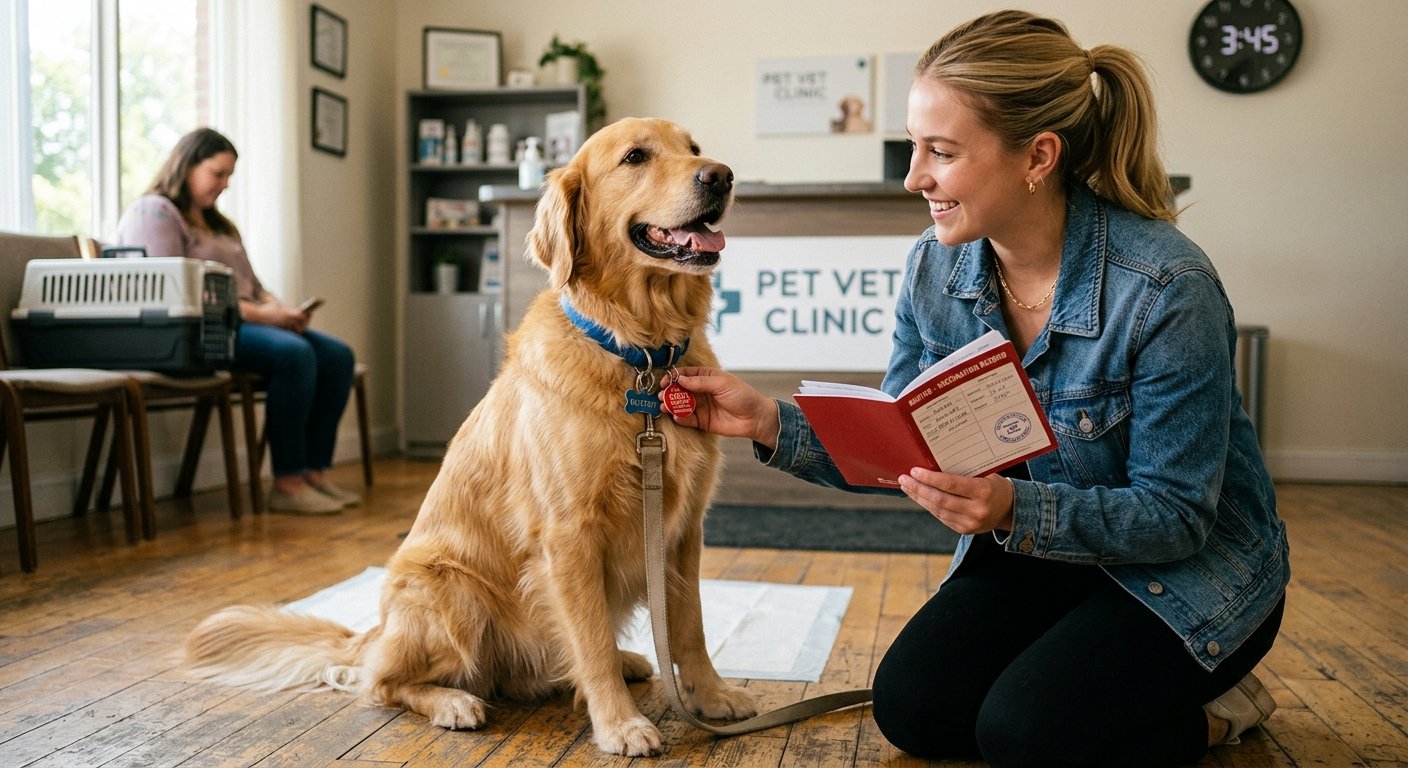
Check Their Records: This is your first stop! Most vet clinics provide a vaccination certificate or a small booklet detailing all your pet’s shots, including the rabies vaccine. Look for the date administered and the expiration date. It will clearly state ‘1-year’ or ‘3-year’. If you can’t find a paper copy, don’t fret!
Call Your Vet: Your veterinarian’s office keeps meticulous digital records of your dog’s entire medical history. Just give them a quick call. They can tell you exactly when Biscuit’s last rabies shot was and when the next
rabies tag expiration dog
is due. This is the fastest and most reliable way to get the information you need.
Look at the Rabies Tag: While not as precise as the records, your dog’s current rabies tag often has the year stamped on it. This can give you a hint, but always double-check with your vet for the exact month and day, especially if it’s nearing the end of the year.
Once you know the exact expiration date, mark it on your calendar! Set a reminder on your phone, write it on your fridge – whatever works for you. Just like remembering to change the oil in your car, it’s a vital maintenance step for your pet’s health and safety.
What To Do When It’s Time for a Booster
So, you’ve checked, and it turns out your dog’s rabies vaccine is due soon, or maybe even overdue. No judgment here – it happens! My own Biscuit almost missed a booster once when we were swamped with a house project. The important thing is what you do next:
<
Why Your Dog’s Rabies Vaccine Might Last Longer (Or Shorter!)
Okay, let’s talk about rabies vaccines. You know, that little sticker your vet puts on the certificate, often saying “1 Year” or “3 Years”? It feels pretty straightforward, right? But if you’ve ever dug a little deeper or talked to different pet parents, you might start hearing things that make you scratch your head. Like, what’s the real story? And how long does rabies vaccine last in dogs beyond just what’s printed on that little piece of paper?
Trust me, I get it. Back when I was a vet assistant, I saw so many well-meaning pet parents confused about this. It’s not just about compliance; it’s about making sure our furry family members are truly protected.
And that’s exactly what we want for Biscuit, my goofy Golden Retriever, and for your dog too!
What’s the Deal with Vaccine Duration?
So, on paper, rabies vaccines for dogs are typically labeled as either a one-year or a three-year vaccine. This designation primarily refers to the legal duration of protection recognized by state and local laws, not necessarily the actual biological protection your dog gets. Think of it like your car’s oil change schedule. The sticker on your windshield might say “change oil in 5,000 miles,” but depending on your driving habits or the type of oil, your car’s engine might be perfectly fine for a bit longer, or it might need it sooner. The sticker is the general guideline, but the reality can be a bit more nuanced.
The core question, how long does rabies vaccine last in dogs, is where things get interesting. Most rabies vaccines are incredibly effective. Once your dog gets their initial series and boosters, their immune system develops a “memory” of the virus. This memory is what gives them protection, and for many dogs, this protection can extend well beyond the official one or three-year mark. We’re talking about the ‘rabies vaccine duration’ in a biological sense.
For instance, Biscuit got his first rabies shot, then a booster a year later. After that, he’s on the three-year schedule. But does that mean at three years and one day he’s suddenly vulnerable? Not necessarily. It means his legal protection expires, and you need to get him re-vaccinated to stay compliant and keep him safe.
Why This Matters for Your Dog
Understanding the difference between legal and biological ‘rabies vaccine duration’ is super important for a few reasons. First, legal compliance. Rabies is a deadly disease, and vaccination is mandatory almost everywhere. Not having an up-to-date vaccine means a potential fine, or worse, if your dog bites someone or is exposed to a rabid animal, they could face quarantine or even euthanasia, even if they’re otherwise perfectly healthy and sweet. I’ve seen this happen, and it’s heartbreaking. So, knowing how long does rabies vaccine last in dogs from a legal standpoint is non-negotiable.
Second, over-vaccination. While vaccines are generally safe, some pet parents worry about giving their dogs vaccines too frequently.
If your dog has robust immunity that lasts five or even seven years, but you’re vaccinating every three years, that’s still potentially more often than biologically necessary. This isn’t to say you should skip vaccines – absolutely not!
It’s about having an informed conversation with your vet. Factors like your dog’s age, overall health, and lifestyle (is Biscuit hiking in the Greenbelt often, or is Mango just chilling on the couch?) can all influence ‘rabies vaccine effectiveness’ and your vet’s recommendations.
Let’s look at some numbers: While the legal label says 1 or 3 years, studies have shown that some dogs maintain protective antibody levels for much longer. For example, a landmark study known as the Rabies Challenge Fund (not widely implemented in practice yet, but showing promising results) suggests that some dogs can have immunity lasting five to seven years, or even longer. This doesn’t mean your vet will tell you to skip five years, because the legal regulations haven’t caught up, but it gives you an idea of the biological ‘rabies vaccine validity period’ that scientists are exploring. This kind of research is why understanding how long does rabies vaccine last in dogs is a continually evolving conversation in the veterinary world.
What You Can Do About It
This isn’t about ditching your vet or ignoring the law. It’s about being an empowered pet parent and having the best information for your dog. Here’s my no-nonsense, actionable advice:
Check Your Dog’s Records Diligently: First things first, know the expiration date on your dog’s rabies certificate. Mark it on your calendar, set a reminder on your phone, or tie a string around your finger! This is the absolute minimum you need to do to stay compliant with the law, regardless of the biological question of how long does rabies vaccine last in dogs. Most vets send reminders, but it’s always good to double-check.
Talk to Your Vet, Your Trusted Partner: Don’t just blindly follow the sticker. Ask your veterinarian about the specific rabies vaccine they use and their recommendation for your dog. Discuss your dog’s lifestyle, age, and health history. If Biscuit were older or had certain health conditions, my vet might have different advice about his vaccination schedule, even for a three-year vaccine.
Consider a Rabies Titer Test (Under Specific Circumstances): This is a big one. A titer test—essentially a blood test that measures the level of antibodies your dog has against a specific disease like rabies—can give you an idea of your dog’s actual immune response. Think of it like a report card for their immune system! If the titer is high enough, it indicates your dog still has protective immunity. Some vets might use this to justify extending the vaccination interval in very specific cases, or for dogs who have had adverse reactions to vaccines in the past.
- How it
Oops, I Missed a Shot! What Happens If Your Dog’s Rabies Vaccine Expires?
Oh, the dreaded moment! You’re flipping through your dog’s vet records – maybe tidying up, maybe getting ready for a trip – and there it is. The date. The one on that little rabies certificate that says “Expires: [Last Month, Last Year].” A little knot forms in your stomach, right?
Been there, done that! Honestly, I made this exact mistake with Biscuit in his first year, thinking I was on top of everything. You’re not a bad pet owner – you just didn’t know, or life just got in the way, which, let’s be real, happens to the best of us.
So, what happens when your dog’s rabies vaccine expires? And more importantly, how long does rabies vaccine last in dogs in the first place? Let’s dive in, no judgment here, just solid info to keep your furry best friend safe and sound. Consider me your pet-parent neighbor, pouring you a virtual cup of coffee as we chat through this.
What Happens When That Rabies Vaccine Expires?
First off, let’s get one thing straight: an expired rabies vaccine certificate doesn’t mean your dog instantly loses all protection and will spontaneously contract rabies. Think of your dog’s immune system like a security guard at a building.
When they get their rabies shot, it’s like training that guard to recognize a specific intruder (the rabies virus) and giving them the tools to fight it off. This training isn’t a one-and-done deal; it needs refreshing to keep that guard sharp and ready.
The vaccine creates antibodies – basically, little biological soldiers – that recognize and destroy the rabies virus if your dog is exposed to it. When the vaccine “expires” on paper, it primarily means two things:
Legal Protection Dips: In virtually every state, including here in Texas, rabies vaccination is a legal requirement. An expired vaccine means your dog is technically not in compliance with the law. This isn’t just about fines; it’s about public health and safety. If your dog bites someone, or is bitten by a wild animal, and their vaccine is overdue, the legal ramifications can be much more severe – think mandatory quarantines or even euthanasia, depending on the circumstances and local ordinances. It’s a scary thought, but it’s why these rules are in place.
Immunity Might Be Lower: While it’s not an on/off switch, the protective level of those antibodies can start to wane over time. So, if your dog is exposed to the rabies virus after their vaccine has expired, they might not be as well-equipped to fight it off as they would be with an up-to-date shot. The question of how long does rabies vaccine last in dogs biologically versus legally is a key one. Legally, the expiration date is firm. Biologically, there might be some residual protection, but it’s a gamble you absolutely don’t want to take.
I remember a Golden Retriever named Max who came into our clinic back in 2018 when I was a vet assistant. He was a sweet boy, but his vaccine was a couple of months overdue. He got into a tussle with a raccoon in his backyard one evening. His owners were frantic.
Because Max wasn’t legally current on his rabies shot, the health department mandated a six-month quarantine for him, mostly confined to their home, with strict rules about walks and interaction. It was heartbreaking for his family, and all because of a missed booster.
That experience really hammered home why staying on top of these things is so crucial.
So, How Long Does Rabies Vaccine Last in Dogs, Really?
This is where things can sometimes get a little confusing, but it’s simpler than you might think. Generally, there are two types of licensed rabies vaccines for dogs in the U.S.:
1-Year Rabies Vaccine: This one protects your dog for 12 months. Puppies usually get their first rabies shot around 12-16 weeks old, and this initial vaccine is almost always considered a 1-year vaccine, regardless of the brand. This means they’ll need a booster shot within one year of that first dose.
3-Year Rabies Vaccine: After your dog has received their initial 1-year vaccine and then their first booster (the “second” shot in the series), they can typically switch to a 3-year vaccine. As the name suggests, this vaccine offers protection for three years. This means fewer trips to the vet for that specific shot, which is a win for everyone, right?
The key here is that the first rabies shot your dog ever receives, even if it’s a brand that <span
2. Beyond the Shot: Keeping Your Dog Safe From Rabies (It’s More Than Just a Jab!) for how long does for how long does rabies for how long does rabies for how long does
Hey there, fellow pet parents! Emily here, back from a lovely hike with Biscuit along the Barton Creek Greenbelt. It got me thinking about how much we do to keep our pups safe, from leashes to nutritious food. But sometimes, the most crucial things are the ones we think about the least – like vaccinations. Specifically, the rabies shot.
Most of us dutifully take our dogs to get their rabies vaccine. It’s like a rite of passage, right? A quick jab, a new tag for the collar, and we check it off the list. Done and dusted!
But here’s the thing, and it’s a big one: that little shot is doing serious work, and understanding its lifespan is absolutely vital. It’s not just a one-and-done deal.
What’s the Deal with Rabies Anyway?
First, let’s talk about rabies for a second. In plain English, rabies is a terrifying disease that attacks the brain and nervous system. And here’s the scary part: once symptoms show up, it’s always, always fatal. For both animals and humans.
It’s usually spread through the bite of an infected animal – think bats, raccoons, skunks, and foxes, all critters that might wander into your backyard or cross paths with your curious dog.
The vaccine works like a little training camp for your dog’s immune system. It teaches their body to recognize the rabies virus and fight it off before it can cause any real damage. Pretty neat, huh? But this immunity isn’t a “forever” kind of thing. It’s why the big question every pet parent needs to know is: how long does rabies vaccine last in dogs?
I get it; life with dogs is busy! Between playtime, feeding schedules, and those impromptu trips to the groomer (Biscuit somehow always finds mud), it’s easy to lose track of vaccine dates. But thinking your dog is protected indefinitely after that initial shot is a common pitfall.
It’s kind of like thinking your car’s oil change lasts forever – eventually, that protection wears off, and you’re vulnerable.
Why Knowing the Duration Matters (More Than You Think!)
Understanding exactly how long does rabies vaccine last in dogs isn’t just about protecting your furry family member from a deadly disease; it’s also about peace of mind and, honestly, staying on the right side of the law. Here in Austin, like pretty much everywhere in the U.S., rabies vaccination is a legal requirement. It’s a public health thing, protecting the whole community.
During my two years as a veterinary assistant, I saw firsthand what happens when owners weren’t clear on how long does rabies vaccine last in dogs. I remember a sweet cocker spaniel named Lucy. Her owner thought Lucy’s puppy shot was good for life. Sadly, Lucy got into a tussle with a raccoon in her yard. Because her vaccine had lapsed, Lucy had to undergo a lengthy, stressful quarantine. It was heartbreaking for everyone involved, and completely avoidable if her owner had known the booster schedule.
Most rabies vaccines are either a 1-year or 3-year vaccine. That’s it. There isn’t a “forever” option. After your puppy’s initial vaccination (usually around 12-16 weeks old), they’ll need a booster shot within a year. After that, depending on the specific vaccine your vet uses and your local laws, it will typically be every one or three years. Knowing the difference between these types is key to understanding how long does rabies vaccine last in dogs for your specific pup.
Think of it like getting your own flu shot. You don’t get one once and assume you’re good for life, right? You need a new one every year because the virus changes, and your immunity fades. Dog vaccines work similarly; they need regular boosts to keep that protective shield strong.
How to Keep Biscuit (and Your Dog!) Fully Protected: Your Action Plan
Okay, so now you know it’s not a one-and-done, and why that matters. The good news is, keeping your dog safe is super straightforward once you know the steps. Here’s my no-nonsense, straight-to-the-point guide:
Dig Out Those Records: First things first, grab your dog’s vaccination certificate. Your vet should have given you one. On it, you’ll find the date the last rabies vaccine was given and the “next due” date. This is the absolute best way to definitively answer how long does rabies vaccine last in dogs for your furry pal. If you can’t find it, don’t sweat it!
Call Your Vet’s Office: No records? No problem! Your vet’s office has all that info digitally. Give them a quick call and ask two simple questions: “When was my dog’s last rabies shot?” and “When is their next rabies booster due?” They can tell you whether your dog received a 1-year or 3-year vaccine and precisely when the immunity needs topping up.
Understand the “1-

3. Common Causes of how long does rabies vaccine last in dogs
Hey there, fellow pet parents! Emily here, from my little Austin corner, where Biscuit is currently supervising my coffee intake from under the desk. Today, we’re diving into a super important topic that often gets folks scratching their heads: how long does rabies vaccine last in dogs. It’s one of those things we all know our pups need, but the specifics can feel a little fuzzy, right? Kind of like trying to remember if you watered your indoor plants last week!
<p
4. How to Identify how long does rabies vaccine last in dogs Early
Hey there, fellow pet parents! Emily here, back from a lovely morning walk with Biscuit along Barton Creek Greenbelt. He’s currently napping by my feet, dreaming of squirrels, while Mango the cat glares at me from her sunbeam throne on the couch. Every day, I get asked so many questions about pet health, and one that pops up constantly, especially for new puppy parents or folks who’ve adopted, is all about that crucial rabies shot. It’s not just a vet visit; it’s a critical shield for our furry family members and, honestly, for us too!
So, let’s dive into a question that sounds simple but has a few important layers: how long does rabies vaccine last in dogs? It’s something every dog owner needs to know, and thankfully, it’s not nearly as complicated as it might first seem. We want to identify how long does rabies vaccine last in dogs early, so we’re always ahead of the game.
Why Knowing This Matters So Much (Seriously!)
I get it, life is busy. Between work, family, and remembering where I left my car keys, keeping track of every single pet appointment can feel like a whole other job. But understanding how long does rabies vaccine last in dogs is truly non-negotiable. Why?
Well, rabies isn’t just “a bad illness”; it’s a fatal neurological disease. Once symptoms show up, it’s always, tragically, too late. There’s no cure. And it can spread to humans. This isn’t just about your dog’s health; it’s a public health issue.
In our pet-friendly city of Austin, where Biscuit and I meet so many other dogs and wildlife on our hikes, knowing your dog is protected gives you immense peace of mind. Plus, it’s the law! Most states, including Texas, mandate rabies vaccination for dogs.
If your dog’s vaccination lapses and there’s an incident – like a bite or an encounter with a wild animal – the consequences can range from mandatory quarantine (and trust me, nobody wants that) to much, much worse.
I remember working at the clinic and seeing a family heartbroken because their dog, who had a lapsed vaccine, was involved in a minor scuffle. Knowing how long does rabies vaccine last in dogs upfront could have saved them so much stress and potential heartache.
Think of it like this: your dog’s rabies vaccine is like the smoke detector in your house. You hope you never need it, but you absolutely have to make sure it’s working properly, all the time. It’s an essential layer of safety, not just a suggestion.
Decoding the Durations: 1-Year vs. 3-Year
Okay, so let’s get to the nitty-gritty of how long does rabies vaccine last in dogs. Generally, you’ll encounter two main types of approved rabies vaccines for dogs: a 1-year vaccine and a 3-year vaccine.
When your puppy gets their very first rabies shot, it’s almost always a 1-year vaccine. This is crucial because it helps their young immune system build a strong initial defense. After that first year passes, your vet will recommend a booster shot.
This second vaccine, and all subsequent ones, are typically the 3-year versions. So, after their initial puppy shot and first annual booster, your dog usually only needs a rabies vaccine every three years.
This “duration of immunity”—basically, how long your dog is protected for—is determined by careful research and state regulations. It’s not just a random number. Understanding this distinction is key to managing your dog’s rabies vaccine schedule for dogs effectively.
Your Action Plan: How to Keep Your Dog Protected
Knowing how long does rabies vaccine last in dogs is only half the battle. The other half is staying on top of it. Here’s my step-by-step guide to make sure your furry friend is always covered:
- Check Your Dog’s Records (The Paper Trail): Every time your dog gets a rabies vaccine, you should receive a certificate. This little piece of paper is gold! It clearly states the date the vaccine was administered and, most importantly, the date it expires. For Biscuit, I keep his certificate tucked safely in his “health binder” (yes, I have one, and you should too!). This is your go-to source to identify how long does rabies vaccine last in dogs specifically for your pet.
- Chat with Your Vet (Your Trusted Guide): Your veterinarian is your absolute best resource. They keep meticulous records and can tell you precisely when your dog’s next rabies booster shot for dogs is due
5. FAQ
How long does my dog’s rabies vaccine actually protect them?
Most states require your dog’s first rabies vaccine when they’re a puppy, which typically provides protection for one year. After that, your vet will likely recommend a booster.
Depending on the vaccine used and your local laws, this booster could be effective for either one or three years. It’s crucial to check with your veterinarian and your state’s regulations, as requirements can vary significantly.
Always aim to stay compliant to ensure your furry friend is protected and your household is safe.
Does my dog really need a rabies shot every year?
Not necessarily every single year! While the initial puppy vaccine is usually valid for one year, many states and veterinarians offer a 3-year rabies vaccine option for adult dogs after their first booster. This means your dog wouldn’t need a shot annually.
However, state and local laws dictate the exact vaccination schedule, and some areas might still require annual vaccination. Always consult your vet to understand the best and legally compliant schedule for your dog.
What if I miss my dog’s rabies booster shot deadline?
Missing your dog’s rabies booster deadline can be a bit tricky and the implications vary by state and even county.
In some areas, if the vaccine is overdue by a certain amount of time, your dog might be considered ‘unvaccinated’ again, requiring a new primary series or specific quarantine protocols if they’re exposed to rabies.
It’s really important to contact your veterinarian immediately if you’ve missed the due date. They can advise on the specific requirements to get your dog back on schedule and legally compliant.
Can my dog get a different type of rabies vaccine that lasts longer?
Yes, generally there are different rabies vaccine types that offer either one-year or three-year protection. Most adult dogs, after their initial one-year vaccination, are eligible for the three-year version, depending on local regulations.
Your veterinarian will choose the most appropriate vaccine for your dog based on their age, health status, and the specific requirements of your state or county.
Discuss your options with your vet to ensure your dog receives the most effective and legally compliant protection available.
References & Further Reading
For accurate scientific context, the following terms link to the Wikipedia Encyclopedia:
Source: en.wikipedia.org
Keeping your dog up to date on vaccinations is essential. Learn about Lepto Vaccine for Dogs: Complete Guide and Safety Info for complete protection.
Conclusion
Vaccinations are a cornerstone of responsible dog ownership, protecting your pet from serious and potentially fatal diseases. By following your veterinarian’s recommended vaccine schedule and staying informed about each vaccine’s purpose and duration, you can make confident decisions about your dog’s preventive healthcare. Regular boosters are essential to maintain immunity throughout your dog’s life.