
Are you looking for information about dog yeast infection symptoms? This guide covers everything you need to know.
- 1. That Funky Smell? What a Dog Yeast Infection Really Is
- 2. Top Signs Your Dog Might Have a Yeast Infection: The Itch, The Odor, The Ouch!
- 3. Beyond the Ears: Hidden Spots Where Dog Yeast Infections Love to Hide
- 4. Why Your Dog Gets Yeast Infections: Unmasking the Underlying Causes
- 5. Is It Yeast, Allergies, or Something Else? Decoding Your Dog’s Skin Troubles
- 6. First Aid at Home: Gentle Ways to Soothe Your Dog’s Yeast Infection Symptoms
- 7. When to Worry: Knowing When to Call the Vet for a Dog Yeast Infection
- 8. What Happens at the Vet? Diagnosing Your Dog’s Yeast Infection
- 9. Understanding Dog Yeast Infection Treatment Options: Beyond the Basics
- 10. Preventing Future Dog Yeast Infections: Your Action Plan for a Happy Pup
- 11. Don’t Let Yeast Win: Your Guide to a Healthier, Happier Dog!
- 12. Frequently Asked Questions
Are you looking for information about dog yeast infection symptoms? This guide covers everything you need to know.
That weird yeasty smell wafting from your dog’s ears, or worse, that incessant scratching that keeps you both up at night? It’s a familiar scenario for many pet parents, and let’s be honest, it’s not exactly a pleasant topic for the dinner table.
But trust me, you’re not alone in noticing these little quirks.
Honestly, when Biscuit first started getting those red, irritated paws, I immediately jumped to ‘allergies’ but it turned out to be a classic case of a dog yeast infection. Here’s the thing: those persistent symptoms are often clear signals from our pups that something’s off.
In this post, we’re going to walk through exactly what those symptoms look like – from the subtle head tilts to the unmistakable funky
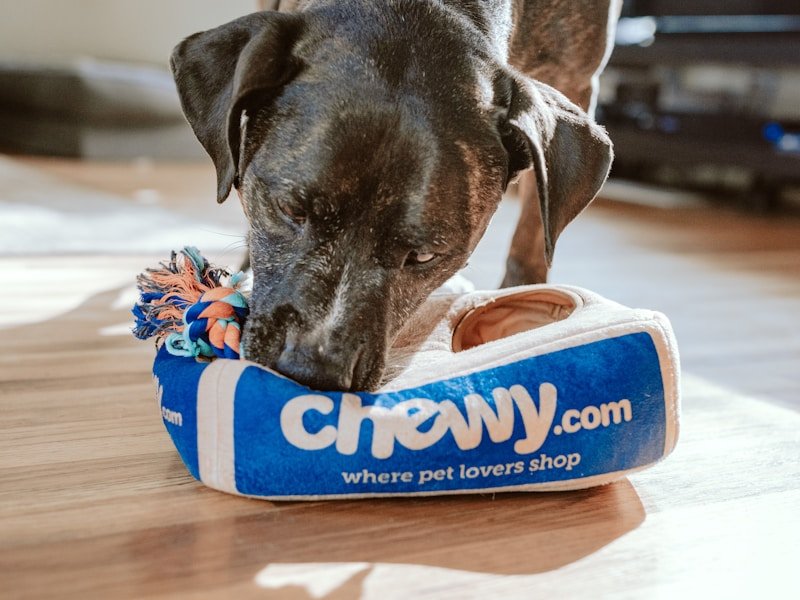
1. That Funky Smell? What a Dog Yeast Infection Really Is for dog yeast infection symptoms
Okay, so let’s talk about that funky smell. You know the one – sometimes a bit cheesy, sometimes just… off? It’s often the tell-tale sign of a dog yeast infection. But what is a dog yeast infection, really? In plain English, it’s basically an overgrowth of a specific type of fungus called Malassezia.
Now, before you panic, Malassezia is totally normal! It lives on your dog’s skin and in their ears all the time. Think of it like the good bacteria in your gut – usually, it’s just minding its own business, helping maintain balance.
But when something throws that balance off, this yeast sees an opportunity and starts to multiply like crazy.
Why This Matters for Your Dog
Why should we care about this little microscopic party crash? Well, when that Malassezia yeast population explodes, it turns into a full-blown dog yeast infection. And trust me, your pup isn’t having a good time.
I’ve seen countless cases back when I worked at the animal hospital, and they’re always uncomfortable for the dog.
One time, a sweet Labrador named Gus came in with paws so itchy and red, he could barely walk. It was a classic case, often showing up as red, irritated patches. You might even spot a yeast infection rash on your dog’s belly, especially in warm, moist areas like armpits or the groin. If you notice your dog constantly licking their paws or scratching their ears, especially if there’s a weird smell, it’s highly likely a dog yeast infection is brewing.
This isn’t just a minor annoyance; it can lead to intense itching, pain, skin discoloration, and even secondary bacterial infections if left untreated. Your dog deserves to feel comfortable in their own skin, and catching a dog yeast infection early makes a huge difference.
What to Do About It
So, what do you do if you suspect a dog yeast infection? First things first: a trip to your veterinarian is crucial. They can accurately diagnose it and rule out other underlying issues, like allergies or hormonal imbalances, that might be fueling the yeast.
Don’t try to play doctor at home!
Once your vet confirms a diagnosis, they’ll recommend the best treatment for dogs with yeast infection, which might include medicated shampoos, ear drops, or even oral medications. Often, your vet might prescribe an antifungal medication for yeast infection in dogs, tailored to your pup’s specific needs.
Here are a few things you can do at home to help manage and prevent future flare-ups,
2. Top Signs Your Dog Might Have a Yeast Infection: The Itch, The Odor, The Ouch! for dog yeast infection for dog yeast infection symptoms
Ever caught a whiff of something a little… funky from your sweet pup? That often points to a potential dog yeast infection. Don’t worry, you’re not alone if you’ve been scratching your head (and maybe your dog’s ears!) wondering what’s going on. Yeast, specifically a type called Malassezia – don’t worry about the big word, just know it’s a common fungus – normally lives on your dog’s skin and in their ears.
Think of it like the friendly bacteria in your gut; usually, it helps keep things balanced. But when something throws off that balance, this yeast can multiply out of control. That’s when a full-blown dog yeast infection happens, making your furry friend super uncomfortable. It’s like when a small garden weed becomes an entire overgrown patch; a little is normal, a lot is a problem for your pup.
What Does a Dog Yeast Infection Look Like? The Big Three Signs
So, how do you spot this unwelcome dog yeast infection party crashing your pup’s comfort? I’ve seen countless cases, both with my own Biscuit and during my time as a veterinary assistant, and these three signs are almost always present:
1. The Itch: Obsessive Scratching and Licking
The first, and often most obvious, sign of a dog yeast infection is intense itching. Your dog might be licking their paws obsessively, or scratching at their ears like crazy. With Biscuit, his paws would get so red from constant licking, especially between his toes. This intense itching is a huge red flag for a dog yeast infection.
2. The Odor: That Funky, Cheesy Smell
Another giveaway for a dog yeast infection is The Odor. Often, a pervasive, sweet, or cheesy smell – what many owners affectionately call ‘Frito feet’ – can signal a budding dog yeast infection. This smell is usually strongest in areas where the yeast thrives, like their paws or inside their ears. Seriously, if you’re smelling something that reminds you of a snack, it’s time to investigate!
3. The Ouch! Redness, Rashes, and Soreness
Finally, there’s The Ouch! A visible yeast infection rash on dog’s belly, armpits, or in their ear flaps, are clear signs of discomfort. This rash might look red, inflamed, or even have a greasy appearance. Sometimes, the skin can thicken and darken over time, feeling leathery to the touch. It’s essentially your dog’s skin reacting badly to the yeast overgrowth, leading to irritation and soreness.
What to Do If You Spot These Signs
If you’re noticing any of these ‘Big Three’ signs, don’t just hope it goes away. I remember a sweet Basset Hound named Gus who came into the clinic with what his owners thought was just “allergies.” Turns out, it was a severe dog yeast infection that had been making him miserable for months. We quickly got him on the path to feeling better.
The key here is recognizing the problem early. Early detection means less discomfort for your dog and a simpler path to recovery. While some mild issues might clear up with careful cleaning, a true dog yeast infection often needs a bit more help.
Your next step is simple: call your veterinarian.
- Your vet can accurately diagnose a dog yeast infection with a simple skin scrape or ear swab, looking for the yeast under a microscope.
- Once confirmed, they can prescribe the right antifungal medication for yeast infection in dogs, whether it’s a special shampoo, ear drops, or oral medication.
- They’ll guide you through the full treatment for dogs with yeast infection, ensuring your pup gets relief and the infection is fully cleared.
Don’t beat yourself up if you didn’t notice it immediately; it happens! The important thing is to act once you do. Your dog will thank you for it!
3. Beyond the Ears: Hidden Spots Where Dog Yeast Infections Love to Hide for dog yeast infection symptoms
Okay, let’s talk about those sneaky spots where a dog yeast infection loves to hang out. We all know the classic signs – itchy ears, that distinct yeasty smell – and we’re usually quick to spot those. But trust me, as someone who spent years as a veterinary assistant and has seen more pups than I can count, a dog yeast infection is a master of disguise, hiding in plain sight in places you might not even think to check. It’s easy to miss these spots, even for the most attentive pet parents, so don’t beat yourself up if this is new to you!
Beyond the Obvious: Sneaky Hideouts
Think of it like that dusty corner behind your fridge you only clean during spring cleaning. These are the equivalent neglected spots on our furry friends, perfect breeding grounds for a stubborn dog yeast infection.
- The Paws: Between the Toes and Nail BedsYour dog’s paws are a prime suspect. Imagine wearing sweaty socks all day, every day – that’s what their paw pads and the skin between their toes can feel like, especially after walks or if they love to splash in puddles. This warm, moist environment is an open invitation for yeast. Look for reddish-brown discoloration, constant licking, or that familiar yeasty odor coming from their feet. A persistent treatment for dogs with yeast infection often starts with addressing paw issues.
- Skin Folds and Wrinkles: The Cozy CrevicesFor breeds like Bulldogs, Pugs, or even a wrinkly Basset Hound, those adorable folds can be hotbeds for a dog yeast infection. It’s not just the face; check their armpits, groin area, and even under their tail. These areas don’t get much air circulation, trapping moisture and making them super inviting for yeast. Back when I worked at the clinic, I remember a sweet Pug named Muffin who came in with a terrible smell that her mom just couldn’t pinpoint. Turns out, it was a massive yeast overgrowth deep in her leg folds, completely out of sight!
- The Belly: A Common but Overlooked SpotYes, your dog’s belly! It might seem counter-intuitive, but the underbelly can be prone to yeast, especially if they have allergies causing them to lick or if they spend a lot of time on damp grass. Keep an eye out for a yeast infection rash on dog’s belly—it often looks red, bumpy, or scaly, and your dog might be itchy there.
- Around the Tail and Genitals: Don’t Forget Down ThereThis is another area that often gets skipped during a quick check. Moisture can get trapped here, especially in dogs with thick tails or if they have issues with anal glands. A good sniff and a gentle look can reveal a hidden dog yeast infection.
Why This Matters for Your Pet
Catching a dog yeast infection early in these hidden spots is absolutely critical. Think of it this way: a small campfire is easy to put out. But if you ignore it, it can turn into a raging wildfire. The same goes for yeast.
If left unchecked, these localized infections can spread, leading to more widespread skin issues, intense itching, hair loss, and even secondary bacterial infections, making your pup miserable and complicating the treatment plan.
It means more discomfort for your dog and potentially a longer road to recovery.
Your Action Plan: How to Check at Home
The good news is, checking these spots is simple and just needs a few minutes of your time each week, maybe during a cuddle session or after a bath. You’ll be a pro in no time!
- The “Sniff and Seek” Method: Gently lift their paws, spread their toes, and give a sniff. Check their armpits, groin, and under their tail. If you detect that familiar “corn chip” or musty smell, it’s a red flag for a dog yeast infection.
- Visual Inspection: Look for redness, swelling, brown or black discoloration, greasy skin, or a rash. Part their fur in wrinkly areas to get a good look deep inside the folds.
- Feel for Texture Changes: Yeast-infected skin can often feel thickened, greasy, or scaly to the touch. Compare it to healthy skin on other parts of their body.
- Observe Their Behavior: Is your dog constantly licking or chewing at their paws, rubbing their face against furniture, or scooting their rear end? These behaviors can indicate itchiness in those less obvious spots.
If you find anything suspicious during your at-home inspection, don’t try to guess or self-diagnose. The very best next step is always a visit to your vet. They can accurately diagnose a dog yeast infection with a simple skin scrape or cytology (looking at cells under a microscope) and prescribe the right antifungal medication for yeast infection in dogs. Early detection and proper veterinary care are key to getting your furry family member comfortable and happy again!
4. Why Your Dog Gets Yeast Infections: Unmasking the Underlying Causes for dog yeast infection symptoms
Ever walked past your furry best friend and caught a whiff of something… not quite right? Maybe it’s that tell-tale cheesy smell, or you’ve spotted a reddish, itchy patch on their skin. Chances are, you’re dealing with a common but frustrating issue: a
dog yeast infection
. Trust me, you’re not alone. In my years at the vet clinic and with my own Biscuit, I’ve seen countless dogs struggle with this. It’s like those persistent weeds in your garden – they pop up when the conditions are just right for them to thrive, and boy, can they be a nuisance!
So, what exactly is a
dog yeast infection
? Well, dogs naturally have a small amount of yeast (specifically a type called Malassezia pachydermatis) living on their skin and in their ears. Think of it like a tiny, invisible ecosystem. When everything is balanced, this yeast coexists peacefully with your dog. But sometimes, something throws that balance out of whack, and the yeast gets a little too comfortable, multiplying rapidly and causing all sorts of uncomfortable symptoms. It’s less about catching a bug and more about an overgrowth of something that’s already there.
Why Does This Happen? Unmasking the Real Culprits
Understanding the “why” behind a
dog yeast infection
is crucial, because treating the symptoms without addressing the root cause is like patching a leaky roof without fixing the underlying structural damage. You’ll just keep getting leaks! From my time as a veterinary assistant, I learned that a is almost always a secondary issue – a red flag waving that something else deeper is going on. It’s not just bad luck; there’s usually a reason.
The most common underlying causes for recurrent
dog yeast infection
issues often boil down to these three things:
- Allergies: This is a big one, y’all. Just like us, dogs can suffer from environmental allergies (pollen, dust mites) or food allergies (certain proteins like chicken, beef, or grains). When an allergen enters their system, their immune system goes into overdrive, causing inflammation. This inflammation disrupts the skin’s natural barrier, creating a warm, moist, irritated environment that yeast just loves. I remember a sweet Labrador named Gus who used to come in with terrible ear and paw infections; once we pinpointed and managed his grain allergy, his yeast issues practically vanished. Keep an eye out for a particularly angry yeast infection rash on dog’s belly, as allergies often manifest there.
- Compromised Immune System: If your dog’s immune system isn’t running at full throttle, it can’t keep that natural yeast population in check. This can be due to stress, other chronic illnesses, or even certain medications. Imagine your immune system as the security guard for your dog’s body; if they’re tired or distracted, the “bad guys” (in this case, overgrowing yeast) can sneak past.
- Poor Gut Health: “All health begins in the gut” isn’t just a trendy phrase for humans; it’s profoundly true for dogs too! An imbalance of gut bacteria (often due to poor diet, antibiotics, or stress) can weaken the immune system and promote systemic inflammation. When the gut isn’t happy, the skin often shows it. A wholesome, balanced diet is the absolute bedrock for preventing a and many other health woes.
What home care measures can you start today for your dog’s yeast issue?
Feeling overwhelmed? Don’t be! The good news is that recognizing these underlying causes puts you on the path to lasting relief for your pup. Here’s what you can start doing:
- Talk to Your Vet (The First, Most Important Step): Seriously, don’t try to guess. Your veterinarian can confirm it’s indeed a with a simple skin scrape or ear swab, ruling out other similar-looking conditions. They can also help diagnose those tricky underlying allergies or other health issues. This is where you’ll start exploring effective treatment for dogs with yeast infection.
- Re-evaluate Their Diet: This is a crucial area where you have direct control. Many commercial dog foods are high in carbohydrates and starches, which yeast absolutely thrives on. Think about a low-carb, whole-food diet. If you suspect food allergies, your vet might recommend an elimination diet to pinpoint triggers. You’d be amazed how many issues clear up just by changing what’s in the bowl.
- Consider Probiotics and Omega Fatty Acids: These supplements can work wonders for gut health and skin barrier function. Probiotics help repopulate good gut bacteria, while omega-3s are natural anti-inflammatories. Always chat with your vet first to find the right dose and product for your dog.
- Maintain Good Hygiene (Especially in “Hot Spots”): Keep ears clean and dry, especially after baths or swimming. For dogs prone to paw licking or skin folds, regular wiping with a gentle, pet-safe wipe can prevent yeast from taking hold. Sometimes, topical solutions prescribed by your vet, like an antifungal medication for yeast infection in dogs, are necessary alongside addressing the internal issues.
Seeing your dog itchy and uncomfortable is heartbreaking, I know. But by looking beyond the surface and understanding why your
dog yeast infection
keeps coming back, you’re empowering yourself to provide long-term comfort and health for your best friend. You’ve got this!
5. Is It Yeast, Allergies, or Something Else? Decoding Your Dog’s Skin Troubles for dog yeast infection
Okay, let’s be real. That funky smell, the relentless scratching, the skin that just doesn’t look quite right – it’s enough to send any dog parent into a research spiral. While allergies are often the first suspect, another common culprit lurking in the shadows is a
A yeast infection rash on a dog’s belly often looks reddish and can be quite itchy, which is another tell-tale sign.
Why This Matters for Your Furry Friend
You might think, “It’s just a little itch, right?” But a persistent
When I was a vet assistant, I remember countless cases where owners would say, “He’s always smelled a bit like Fritos!” That distinct, slightly cheesy or corn chip smell, especially from the paws or ears, is a classic sign of a
Think of it like this: your dog’s skin is a bustling metropolis. Yeast (specifically a type called Malassezia pachydermatis) are normal, friendly residents. They live there peacefully, just minding their own business. But when something throws off the balance – like underlying allergies, a weakened immune system, or even prolonged moisture – these friendly residents start a population explosion. Suddenly, it’s like a massive, uncontrolled party on the skin, causing all that redness, itchiness, and smell you’re noticing. This imbalance can lead to a full-blown
It’s vital to catch these
Recognizing the signs of a
Trust me, your dog will thank you for addressing this sooner rather than later.
What treatment options are available for dog yeast infections?
If you suspect your dog has a
Here are some steps you can take:
- Observe Closely: Take a good look at your dog’s skin, especially in warm, moist areas like ear flaps, paw pads (a common spot for
It often manifests as a greasy or flaky texture, sometimes with hair loss.
- Gentle Cleaning: While waiting for your vet appointment, a mild, hypoallergenic shampoo can help remove some surface allergens and irritants. Just be sure to rinse thoroughly and dry completely!
- Vet Visit is Key: This is not something you want to self-diagnose or treat long-term at home. Your veterinarian can confirm a
They’ll likely do a simple test called a “skin cytology” – basically, looking at a tiny sample of skin under a microscope to identify the yeast.
- Follow Treatment Plans: Once diagnosed, your vet will prescribe the right treatment for dogs with yeast infection. This might involve special medicated shampoos, topical creams, or even oral antifungal medication for yeast infection in dogs. Stick to the plan!
- Address the Root Cause: A
Often, it’s a symptom of something else going on, like allergies to food or environmental triggers. Working with your vet to find and manage that underlying cause is crucial for preventing future flare-ups.
Remember, you’re not a bad pet parent if your dog gets a
We’re all learning as we go, and the best thing you can do is be proactive and work with your vet to get your furry friend feeling comfortable again.

6. First Aid at Home: Gentle Ways to Soothe Your Dog’s Yeast Infection Symptoms
Okay, let’s talk about something super common but often misunderstood: a dog yeast infection. Don’t worry, you’re not alone if you’ve ever smelled that weird “corn chip” scent coming from your furry friend’s paws or ears and wondered what on earth it was. It’s usually a classic sign of an overgrowth of yeast!
What Exactly Is a Dog Yeast Infection?
Think of yeast like a little community of friendly microorganisms that naturally live on your dog’s skin and in their ears. Most of the time, they’re just hanging out, minding their own business, and causing no problems at all.
They’re part of your dog’s normal skin flora, just like the good bacteria in our guts.
But sometimes, these tiny residents get a bit too comfortable and start throwing a party, multiplying out of control. When this happens, it becomes a dog yeast infection. It’s kind of like when you leave bread out on a warm, humid day – suddenly, you see a fuzzy patch you didn’t ask for! The technical term for this overgrowth is Malassezia dermatitis, but honestly, “yeast infection” is perfectly fine for us to say.
You might notice symptoms like constant itching, redness, a greasy or flaky coat, or that distinctive yeasty smell. Biscuit once got a mild one in his ears after a particularly enthusiastic swim in Barton Creek, and let me tell you, that smell is hard to forget!
Why Do Dog Yeast Infections Happen?
So, why do these tiny organisms decide to throw a wild party on your dog? Usually, it’s because something has disrupted the natural balance of their skin or immune system. The most common culprit? Allergies.
When your dog has allergies, their skin becomes irritated and inflamed. This creates the perfect warm, moist, and compromised environment for yeast to flourish. It’s like rolling out the red carpet for them!
Other factors include humidity (hello, Texas summers!), skin folds where moisture gets trapped (think wrinkly breeds), or underlying conditions that suppress the immune system. I remember a sweet Pug named Penny who came into the clinic with a terrible yeast infection rash on her dog’s belly because her allergies were completely out of control. It made her so uncomfortable she barely wanted to play.
An untreated dog yeast infection will only get worse, leading to more discomfort, pain, and even secondary bacterial infections. That’s why catching it early and knowing how to soothe the symptoms at home is so crucial.
Gentle Ways to Soothe Your Dog’s Yeast Infection Symptoms at Home
Remember, while these tips can offer relief, they’re not a substitute for a vet visit, especially if the infection is severe or recurring. Your vet might prescribe specific antifungal medication for yeast infection in dogs, which is super effective. But for mild cases or while waiting for an appointment, here’s how you can help at home:
- Cleanse with Care: Use a medicated shampoo specifically designed for yeast infections. Your vet can recommend one, often containing ingredients like miconazole or chlorhexidine. Bathe your dog gently, making sure to let the shampoo sit for 5-10 minutes as directed before rinsing thoroughly. This “contact time” is key to letting the ingredients work their magic.
- Dry, Dry, Dry: Moisture is a yeast infection’s best friend. After baths, swims, or even just wet walks, make sure to dry your dog completely, especially in their paws, armpits, groin, and ear canals. Use a clean towel, or even a low-setting hairdryer (if your dog tolerates it!) for those hard-to-reach spots.
- Spot Treat with Wipes: For areas like paw pads or skin folds that get yeasty, medicated wipes can be a lifesaver. They often contain the same antifungal ingredients as shampoos and are perfect for quick clean-ups between baths. Just wipe the affected area gently a couple of times a day.
- Support Skin Health from Within: A high-quality diet rich in omega-3 fatty acids can do wonders for skin health. These healthy fats help reduce inflammation, making the skin less hospitable for yeast to thrive. Look for supplements or dog foods that boast a good omega-3 profile.
- Keep Ears Clean and Dry: Ear infections are a huge part of the dog yeast infection saga. Use an ear cleaner recommended by your vet to gently clean ears every few days, especially if your dog is prone to infections or swims often. Only clean as far as you can see, never insert anything deep into the ear canal.
By staying vigilant and using these gentle methods, you can significantly help soothe your dog’s yeast infection symptoms and make them much more comfortable. Always remember to check in with your vet to get a proper diagnosis and the best long-term plan!
7. When to Worry: Knowing When to Call the Vet for a Dog Yeast Infection
Okay, let’s chat about something that sounds a bit daunting but is actually super common: a dog yeast infection. If your pup has ever been itchy, stinky, or had weird skin, you’ve probably wondered if it was yeast. And trust me, you’re not alone! It’s one of those things I saw all the time during my vet assistant days, and Biscuit has even had his fair share of a little extra yeast trying to move in.
What Exactly is a Dog Yeast Infection?
Think of it like this: your dog’s skin, ears, and paws are home to tiny, naturally occurring yeasts, mostly a type called Malassezia. They’re usually polite houseguests, living in harmony with other tiny microbes.
But sometimes, something throws off that balance. Maybe it’s allergies, a compromised immune system, or even just too much moisture. Suddenly, these polite guests have a party and multiply way out of control. That’s when you get a full-blown dog yeast infection—basically, an overgrowth of yeast that causes trouble.
Why This Matters for Your Furry Friend
When yeast takes over, it’s not just a minor annoyance for your pup; it’s genuinely uncomfortable. Imagine having an itch you can’t scratch, all the time, plus a weird smell. That’s what a chronic dog yeast infection can feel like.
I remember a sweet little Beagle mix named Daisy who came into our clinic back in 2019. Her mom thought she just had “stinky dog syndrome” and was always just itching a lot.
But Daisy actually had such a severe yeast infection that her skin was thickened, dark, and she was miserable. It really drove home how much these things can impact their quality of life if not addressed.
Ignoring a yeast issue can lead to more serious skin problems, pain, and even secondary bacterial infections, which are even harder to kick. Early detection and knowing when to call the vet makes all the difference in making sure your dog gets the treatment for dogs with yeast infection they need before it gets too bad.
When to Pick Up the Phone: Signs It’s Time for the Vet
So, how do you know if it’s just a little itch or something more serious that needs a vet’s expert eye? Here are the signs that say “time to call the professionals”:
- Persistent Itching & Licking: If your dog can’t stop scratching, licking, or chewing at their paws, ears, or groin area, especially if it’s been going on for more than a day or two. This obsessive behavior is a huge red flag.
- “Corn Chip” Smell: Yes, you read that right! A distinct, often sweet-yet-musty odor, sometimes compared to corn chips, is a classic sign of a dog yeast infection, especially coming from their paws or ears.
- Red, Inflamed Skin: Look for redness, irritation, or a greasy feel to the skin. You might see that tell-tale yeast infection rash on your dog’s belly, armpits, or between their paw pads.
- Discolored Fur or Skin: Over time, yeast can cause the fur to turn a reddish-brown color, especially around areas they lick a lot. The skin itself might also darken and thicken, looking almost like elephant skin.
- Ear Trouble: One of the most common spots for a dog yeast infection is the ears. Look for redness inside the ear flap, discharge (often brownish), and head shaking or scratching at the ears.
- Repeated Issues: If your dog seems to get these symptoms over and over again, it’s definitely time for a vet visit. This could point to an underlying issue, like allergies, that needs addressing to prevent future yeast flare-ups. Your vet can determine the best antifungal medication for yeast infection in dogs.
Don’t try to play doctor at home with internet remedies if you’re seeing these signs. While a healthy diet and good hygiene can help prevent future issues, an active infection needs proper diagnosis and treatment.
Your vet can confirm it’s yeast (and not something else!) and get your furry family member feeling comfortable again as quickly as possible. When in doubt, a quick call or visit is always the safest bet for your best friend.
8. What Happens at the Vet? Diagnosing Your Dog’s Yeast Infection
Ever noticed your sweet pup scratching an ear relentlessly, or maybe you’ve caught a whiff of something a little…yeasty…coming from their paws? Trust me, you’re not alone. When those tell-tale signs pop up, knowing what happens when you bring your furry family member to the vet for a potential dog yeast infection can ease a lot of worry. It’s a common issue, and getting a proper diagnosis is the first, best step.
What’s Going On Down There?
First off, a dog yeast infection isn’t some rare, scary monster. Yeast, specifically a type called Malassezia, lives naturally on your dog’s skin and in their ears. Think of it like the friendly bacteria in your own gut – usually, it’s just hanging out, doing its thing, completely harmless. But sometimes, when conditions are just right (or, more accurately, just wrong), that yeast can overgrow, turning into a real party animal that causes discomfort. This overgrowth leads to what we call a Malassezia dermatitis or otitis – basically, a skin or ear infection caused by yeast.
I saw it countless times when I was a vet assistant. One minute, everything’s fine; the next, your pup is scratching like crazy, their skin might look red and greasy, and often there’s a distinct, sometimes cheesy or sweet, odor. It’s particularly common in warm, moist areas like ear canals, paw pads, skin folds, and even causing a yeast infection rash on a dog’s belly. Biscuit, my Golden Retriever, once had a flare-up between his toes after a particularly soggy hike along Barton Creek Greenbelt, and I definitely smelled it before I saw it!
Why a Vet Visit is Non-Negotiable
You might be tempted to try home remedies for an itchy spot, and I get it – we all want to fix things fast. But here’s the deal: many skin conditions look similar. What seems like a dog yeast infection could actually be allergies, bacterial infections, mites, or even a combination of these. Trying to guess can delay proper treatment, making your dog miserable for longer. Plus, a persistent yeast issue often points to an underlying problem, like allergies or a compromised immune system, that needs to be addressed.
I remember a Basset Hound named Gus who came into the clinic with what his owner swore was just “bad ear wax.” Turns out, it was a severe chronic dog yeast infection that had gone untreated for months because they were trying everything from apple cider vinegar rinses to essential oils at home. Poor Gus was in so much pain, and his ear canal was incredibly swollen. That’s why a vet’s expertise is absolutely crucial; they have the tools and knowledge to correctly identify the culprit.
What Your Vet Will Do to Diagnose
When you bring your dog in, your vet will start by gathering a complete history from you. Be ready to chat about when you first noticed symptoms, how often your dog scratches, what they eat, if they have allergies, and anything else that seems relevant.
Then comes the physical exam.
Here’s how they usually get to the bottom of a suspected dog yeast infection:
- A Good Look-See and Sniff: Your vet will meticulously examine all the common spots for yeast – ears, paws (especially between the toes!), armpits, groin, and skin folds. They’re looking for redness, hair loss, greasy skin, and yes, that distinctive smell. They might use an otoscope – that’s a special little scope – to peek deep into your dog’s ear canals.
- Skin Cytology (The “Tape Prep” or “Skin Scrape”): This is the golden standard for diagnosing a dog yeast infection. It sounds fancy, but it’s actually really simple.
- What it is: Your vet will gently press a piece of clear tape against the affected skin or roll a cotton swab inside an ear. They might also do a gentle skin scrape to get a deeper sample.
- How it works: That tape or swab picks up cells, yeast, and bacteria from the skin surface.
- What it means for your pet: The vet then stains this sample and looks at it under a microscope. Yeast cells have a very distinctive, often “peanut” or “footprint” shape, making them easy to identify. This step quickly confirms if yeast is the primary issue, or if there’s a bacterial infection or even mites joining the party. This quick peek under the microscope helps your vet decide the best course of action, which could involve antifungal medication for yeast infection in dogs or other treatments.
- Fungal Culture (Less Common for Malassezia): Sometimes, if the infection is unusual or not responding to treatment, a vet might take a culture – basically, growing the organism in a lab. But for typical Malassezia yeast, cytology is usually enough.
Once your vet has a clear picture of what’s going on, they can put together a specific plan for treatment for dogs with yeast infection. Knowing what to expect at the clinic helps make the whole process smoother for both you and your itchy pup!
9. Understanding Dog Yeast Infection Treatment Options: Beyond the Basics
Ever felt like you’re playing whack-a-mole with your dog’s itchy skin? One day it’s their ears, the next it’s their paws, all thanks to that stubborn dog yeast infection. It’s incredibly common, and honestly, super frustrating for both you and your furry friend. Many of us reach for an over-the-counter cream or shampoo, which can help temporarily, but often, the problem just keeps coming back.
That’s because dealing with a dog yeast infection isn’t just about clearing up the visible symptoms. Think of it like a “check engine” light in your car. The light itself isn’t the problem, right? It’s telling you something deeper needs attention. Similarly, that itchy, smelly skin isn’t always the whole story – it’s often a signal that something deeper in your dog’s system is out of whack, creating the perfect environment for yeast to thrive.
Why Going “Beyond the Basics” Matters So Much
When I was a veterinary assistant, I saw countless dogs, just like my own Biscuit, who suffered from recurring skin issues. We’d treat the surface symptoms, and they’d get better, only to have the dog yeast infection flare up again weeks later. It’s heartbreaking to see your pup constantly scratching, licking, or rubbing against furniture, and it costs you precious time and money in endless vet visits.
Ignoring the root cause means your dog is living in discomfort, and frankly, it’s not fair to them. A persistent dog yeast infection can also lead to secondary bacterial infections, which are even harder to treat. You might spot a red, irritated rash on your dog’s belly, or dark, crusty patches in their armpits. That’s a classic sign of yeast saying ‘hello!’ and it needs proper attention beyond just surface relief.
Taking Action: What You Need to Do
So, how do we get to the bottom of this and give our dogs lasting relief? It really boils down to working with your vet and looking at the bigger picture.
- Get a Proper Diagnosis: The first step is always confirming it’s actually a dog yeast infection. Your vet will likely do a cytology – basically, they’ll take a tiny swab of the affected skin and look at it under a microscope. This confirms the presence of yeast and rules out other issues like bacteria or mites.
- Address Underlying Issues: This is the game-changer. Is your dog suffering from allergies (food or environmental)? Do they have an underlying immune system weakness or an endocrine disorder? Your vet can help investigate these possibilities. Tackling these root causes is crucial for long-term success.
- Dietary Adjustments: Yeast loves sugar, so sometimes, switching to a high-quality, low-carbohydrate diet can make a huge difference. Think fresh, whole ingredients rather than fillers. Discuss this with your vet or a certified pet nutritionist.
- Targeted Medications: Sometimes, over-the-counter creams might offer temporary relief, but often, a vet-prescribed specific antifungal medication is needed to truly tackle the problem. These can be topical, oral, or a combination, depending on the severity and location of the infection.
- Supportive Supplements: Consider adding probiotics to support a healthy gut (which plays a huge role in immunity!) and omega-3 fatty acids for skin barrier health. I even give Biscuit a daily fish oil supplement, and it makes a noticeable difference in his coat and skin.
And for a deeper dive into all the best strategies, from topical to systemic, you’ll want to check out our comprehensive guide on how to best treat yeast infections in dogs. It might seem like a lot to take in, but truly understanding these layers is the key to finally winning the battle against that pesky dog yeast infection and getting your dog back to their happy, itch-free self!
10. Preventing Future Dog Yeast Infections: Your Action Plan for a Happy Pup
So your sweet pup finally got rid of that nagging yeast infection, and you’re breathing a sigh of relief. But then, a few weeks later, you start to see those familiar signs creeping back in: the scratching, the redness, that smell. Ugh, I know! It’s like when you finally clean your whole house, only to find new dust bunnies multiplying the next day. A recurring dog yeast infection is frustrating, for both you and your furry best friend.
Basically, a dog yeast infection happens when a type of fungus, Malassezia pachydermatis — don’t worry about the
11. Don’t Let Yeast Win: Your Guide to a Healthier, Happier Dog!
Ever scratched your head, wondering why your sweet pup is suddenly super itchy, smells a bit like Fritos, or has perpetually gunky ears? You’re not alone! It’s actually a super common situation, and often, the culprit is something called a dog yeast infection. Think of it like that annoying, itchy rash you sometimes get after a humid workout – for dogs, it’s often a case of a fungal imbalance making them utterly miserable.
But what exactly is a dog yeast infection? Well, your dog naturally has tiny yeasts living on their skin and in their ears, especially a type called Malassezia. Don’t worry, these guys are usually harmless. They’re like the quiet residents in a bustling neighborhood – just going about their business. But when something throws off the neighborhood’s balance – maybe too much moisture, allergies, or a weakened immune system – these yeasts decide to throw a party and suddenly, you have an overgrowth. That’s when a full-blown dog yeast infection takes hold.
How does a yeast infection affect your dog’s comfort and your peace of mind?
I’ve seen firsthand how a persistent dog yeast infection can impact a dog’s quality of life. Back when I worked at the animal clinic, we had a sweet Beagle named Daisy who came in constantly with itchy paws and dark, waxy ears.
Her mom felt so frustrated because it kept coming back. It’s easy to feel like you’re missing something, right? You’re not a bad pet owner – you just didn’t know the full story.
When yeast takes over, it’s not just a little itch. It can lead to intense discomfort, skin irritation, hair loss, and even secondary bacterial infections if left unchecked.
A chronic dog yeast infection can make your pup feel miserable, affecting their energy, mood, and overall happiness. Imagine feeling itchy and uncomfortable all day, every day – that’s what your furry friend is going through.
That ‘Frito feet’ smell or a generally musty odor is a big red flag, and it’s their way of telling you something’s up.
What to Look For (and What to Do!)
The first step in tackling a dog yeast infection is knowing what to look for. You’re their best advocate, and recognizing the signs early can make all the difference. Here’s what my amazing Biscuit has taught me, and what I’ve learned from countless pups at the clinic:
- Persistent Itching & Licking: Is your dog constantly scratching their ears, rubbing their face, or licking their paws, especially between the toes? This is one of the most common signs of a dog yeast infection.
- Smelly Skin or Ears: That distinctive ‘Frito’ or stale bread smell? Yep, that’s often yeast. It can be particularly strong in their ears or skin folds.
- Red, Greasy, or Flaky Skin: Check their armpits, groin, belly, and paw pads. You might see redness, greasy residue, or flaky skin. Sometimes, you might even notice a distinct yeast infection rash on dog’s belly or other less-hairy areas.
- Ear Issues: Dark, waxy discharge, redness, or a strong odor inside the ears can definitely point to an ear yeast infection. Dogs might shake their head a lot or hold one ear down.
- Hair Loss or Darkened Skin: In chronic cases, the skin can thicken and become darker, almost like elephant skin, and hair might start to thin or fall out in affected areas.
Dealing with a dog yeast infection can feel overwhelming, but remember, you’ve got this! Here’s your game plan:
- Call Your Vet, ASAP: This is step one, always. Don’t try to guess or self-diagnose. Your vet can perform a simple test, like a skin cytology (basically, looking at a tiny skin sample under a microscope), to confirm if it’s indeed a dog yeast infection and rule out other issues like allergies or bacterial infections that might look similar.
- Follow Treatment Protocols to the Letter: Once diagnosed, your vet will guide you through the best treatment for dogs with yeast infection specific to your furry friend. Often, this includes prescribed antifungal medication for yeast infection in dogs, whether topical shampoos, wipes, or oral medications. Consistency is key here! Don’t stop treatment just because symptoms improve; finish the full course your vet recommends.
- Address Underlying Causes: A dog yeast infection often pops up because of an underlying issue. Are they allergic to something in their food or environment? Is their immune system a bit sluggish? Your vet might recommend diet changes, allergy testing, or supplements to help prevent future flare-ups. It’s about getting ahead of that persistent dog yeast infection, not just treating the symptoms.
- Keep ‘Em Clean & Dry: For dogs prone to yeast, especially those with lots of wrinkles or floppy ears, regular cleaning is crucial. Special medicated shampoos or ear cleaners can help maintain that healthy balance on their skin and in their ears. Always make sure to dry them thoroughly after baths or swims – moisture is yeast’s best friend!
You and your dog deserve a happy, itch-free life! By staying vigilant and working closely with your vet, you can help keep those pesky yeasts in check and enjoy all the belly rubs and adventures without the scratchy interruptions.
12. Frequently Asked Questions
What are the telltale signs that your dog has a yeast infection?
Keep an eye out for several common signs. You might notice excessive scratching, licking, or chewing, especially around their paws, ears, or groin. Their skin could appear red, inflamed, or greasy, and there might be a distinct, musty or “cheesy” odor.
Some dogs develop hair loss in affected areas, or their skin might look thick and discolored. If you see these symptoms, it’s best to consult your vet for an accurate diagnosis.
What does a yeast infection on a dog’s skin look like?
On the skin, a yeast infection often presents as red, irritated patches, sometimes with a greasy or scaly texture. The skin might thicken over time and take on a grayish or brownish discoloration, especially in chronic cases. You might also notice bumps or small pustules. It frequently affects folds of skin, like in their armpits, groin, or around the neck. Sometimes, you’ll see a rash on your dog’s belly that looks red and bumpy.
My dog keeps scratching and licking their ears. Could it be yeast?
Absolutely, ear infections caused by yeast are very common. If your dog is scratching their ears, shaking their head, or rubbing them on furniture, a yeast infection is a strong possibility.
You might also notice a dark, waxy discharge, redness inside the ear canal, or a foul odor coming from their ears. These symptoms indicate discomfort and require veterinary attention to diagnose and properly address the issue.
Does a dog yeast infection smell bad?
Yes, often a distinct, unpleasant odor is one of the most recognizable symptoms of a yeast infection in dogs. Many owners describe it as a strong, musty, or “yeasty” smell, sometimes compared to stale bread or cheese.
This odor is particularly noticeable in affected areas like the ears, paws, or skin folds, and can become quite strong if the infection is widespread or severe. It’s a key indicator something isn’t right.
Can a yeast infection make my dog’s paw pads look weird?
Definitely. Yeast infections on a dog’s paws can cause significant issues. You might see red, inflamed skin between their toes or on their paw pads.
Their paws might also appear greasy, swollen, or discolored, often turning a reddish-brown color due to chronic licking and saliva staining. Excessive licking, chewing, and limping are common signs of discomfort.
It’s important to keep an eye on their paws as this can be very uncomfortable for them.
How long does it take for dog yeast infection symptoms to show up?
The onset of symptoms can vary. Sometimes, you might notice changes fairly quickly, within days, especially if there’s an underlying cause like an allergic flare-up. Other times, symptoms can develop gradually over weeks, becoming more noticeable as the infection progresses and spreads. Chronic yeast infections often develop slowly, with symptoms worsening over time if left untreated. Early detection and seeking treatment for dogs with yeast infection is key.
What’s the difference between a yeast infection and allergies in dogs?
Yeast infections and allergies often go hand-in-hand because allergies can weaken the skin’s defenses, allowing yeast to overgrow. However, allergies are an overreaction to specific substances (like pollen or food), primarily causing itchiness. Yeast infections, caused by the overgrowth of Malassezia fungi, have more specific symptoms like a distinct odor, greasy skin, and discoloration. Your vet can perform tests to differentiate between the two and determine if it’s primarily an allergy, a yeast infection, or both.
References & Further Reading
For accurate scientific context, the following terms link to the Wikipedia Encyclopedia:
Source: en.wikipedia.org
For more information on managing your dog skin health, check out our guide on Effective Treatment for Dogs with Yeast Infection.
Conclusion
Yeast infections in dogs can be frustrating, but with consistent treatment and attention to underlying causes, most cases resolve successfully. Whether you are dealing with skin issues or ear involvement, following your veterinarian’s guidance and maintaining good hygiene practices will help your dog heal and stay comfortable. Identifying and managing predisposing factors like allergies or hormonal conditions is essential for long-term success.